These rate hikes will hit harder than 2023, and the PM can’t spend his way out of it
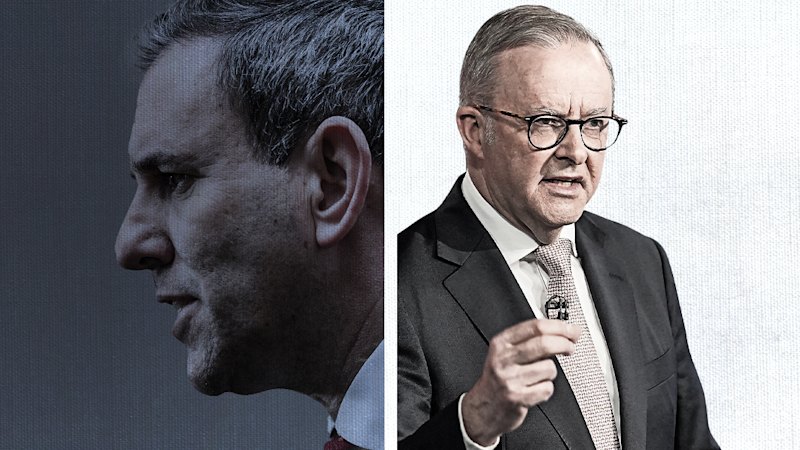
This cycle of rate hikes will hit Australians harder than the one they endured in 2023.
With a depleted budget, Prime Minister Anthony Albanese will find it harder to repeat the election spending playbook he used to see off ex-Coalition leader Peter Dutton against the new threat from One Nation’s Pauline Hanson.
Voters were complaining about the cost of living crisis post-pandemic, when the COVID stimulus was still sloshing around the economy and helping people tread water.
That’s now gone. And although Australians’ savings buffers are in OK shape, the share of mortgages on fixed rates has fallen from about 40 per cent then to around 5 per cent now.
Tuesday’s unsurprising hike takes the cash rate to a 15-year-high of 4.6 per cent. The newly hawkish RBA is signalling that more rate hikes could come. The current rate is the second highest in the advanced world outside of Iceland and significantly higher than nations such as New Zealand and Canada where policymakers accepted more job losses to curb inflation.
The populist-right has established a once-unthinkable ascendancy while Labor and the RBA have been uncertain – political opponents would say negligent – about how to manage inflation. High prices hurt working and middle-class voters who feel the system isn’t working as it should – gold for Hanson.
The RBA pursued an experimental approach, according to independent economist Chris Richardson. The bank wanted to keep rates from going too high so that as many jobs as possible could be preserved, under its dual mandate that requires both lowered inflation and full employment.
This worked in keeping tens of thousands in a job, but it contributed to higher inflation and rates for longer.
Trimmed-mean inflation will be above the midpoint of the 2-3 per cent target band for almost seven years until mid-2028, according to the bank’s forecasts.
Progressives increasingly feel the Reserve Bank is heartless and fails to understand that those struggling with mortgages are not the cause of inflation.
Government spending is at record levels and the tax take is nearly the highest on record outside the mining boom of the early noughties.
Richardson says Labor should definitely be running a surplus.
“But I understand the politics of it,” he says.
What he means is that fickle voters are reluctant to accept tough love. Witness the political fallout from Emmanuel Macron’s attempt to increase the pension age and Keir Starmer’s cut to a winter fuel subsidy.
The prime minister had a dig at UNSW Professor Richard Holden on Monday after the economist suggested Labor was gaslighting voters by talking only about the Iran war rather than the pre-conflict inflation problem. Bank boss Michelle governor said on Tuesday that inflation was too high before the war and worsened by the conflict’s effect on petrol and fertiliser prices.
“Richard Holden’s a well-known critic of the government. That’s not surprising, his comments,” Albanese told reporters in South Australia.
Holden said he had praised Labor for a number of policies including its contentious changes to negative gearing. But he said he was unequivocally opposed to the government “frittering away a $400 billion fiscal windfall”.
Last term, Albanese got the ascendancy over Dutton with a series of crowd-pleasers including an $8.5 billion expansion of Medicare, a $16 billion cut to student debt, and giving all first home buyers access to 5 per cent deposits.
He would be hoping that if he goes to the polls as close as possible to May 2028, rates may have reduced slightly and the wheels would have fallen off One Nation. The current moment could be recalled as nothing more than a normal midterm slump, seen off by many a previous prime minister.
There are plenty of ifs there. Rates could rise twice more after this week’s announcement, creating a summer of political pain for Labor and a rare opportunity for low-profile Opposition Leader Angus Taylor to steer the national conversation away from immigration and back to economics.
Turmoil on bond markets will make it more expensive to take on debt to fund election spending. And the budget is in worse structural shape than when Labor won power.
Modern failures on fiscal management, real wages and inflation are owned by each prime minister-treasurer duo since Julia Gillard and Wayne Swan. Abbott and Hockey tried and failed to rein in spending with a budget nobody would cop. Morrison and Frydenberg kicked off the inflation crisis during COVID, as Treasurer Jim Chalmers likes to point out.
But Chalmers reflex habit of blaming the previous Coalition government for economic troubles is wearing thin among his colleagues, and will be ancient history by the time of the next election.
Cut through the noise of federal politics with news, views and expert analysis. Subscribers can sign up to our weekly Inside Politics newsletter.
KioskNews shows a cleaned-up reading view extracted from the publisher’s page — the original always lives on their site, not ours.