Couple win £135k court fight with glampsite owner in Brecon Beacons parking war

A couple have won a bitter £135,000-plus court fight with their glampsite-owning neighbour after she tried to ban them from parking their car in their own garden.
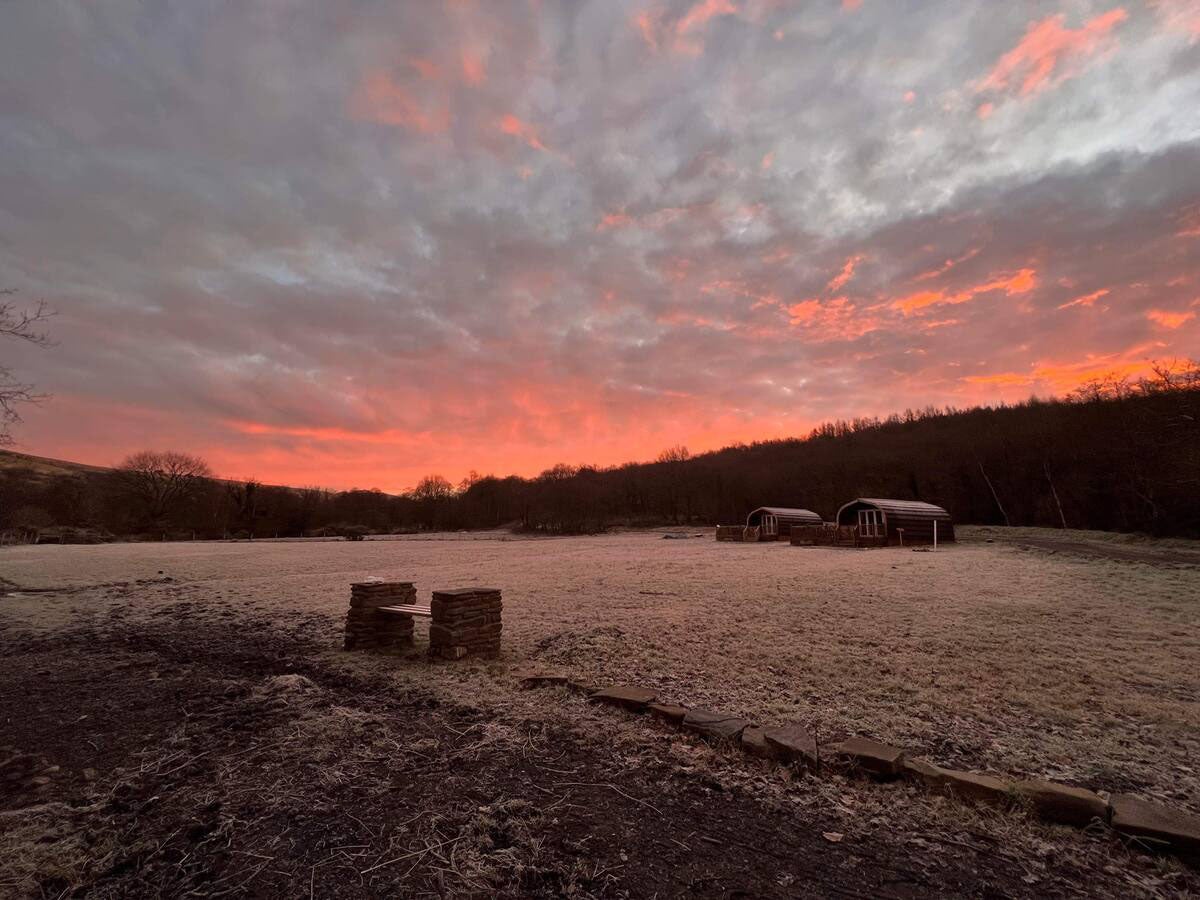
Carol Esteban's idyllic farm glampsite on the edge of the Brecon Beacons national park was at the centre of a war with neighbours Neil and Nadine Gould over a shared driveway that leads to both their properties.
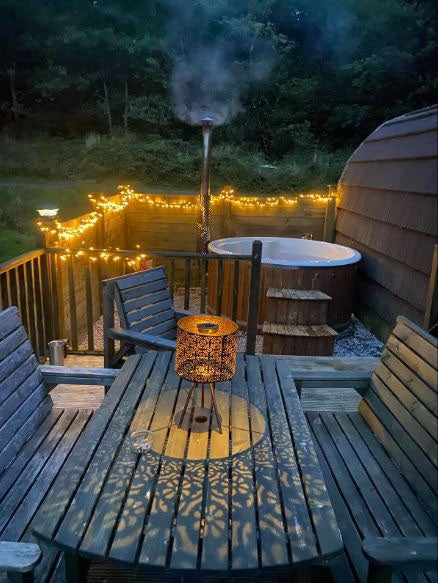
Following a series of disagreements involving mutual allegations of trespass, "shouting and harassing one another" and blocking the shared track, the neighbours ended up in court after Ms Esteban - who offers "blissful staycations" in her glamping pods, set in a 60 acres of ancient woodland with their own individual hot tubs - told her neighbours that their right to use the driveway stopped abruptly opposite their front door, blocking them from accessing the parking space next to their house a few feet further on.
After a row - during which at one point Ms Esteban blocked the track north of the couple's house with "boulders" - they sued and in July last year won a High Court ruling that they are entitled to drive far enough along the track to turn off into the hardstanding parking space in their garden.
But the fight went to London's Court of Appeal, with Ms Esteban challenging that ruling - along with the massive £135,000 costs bill she was handed.
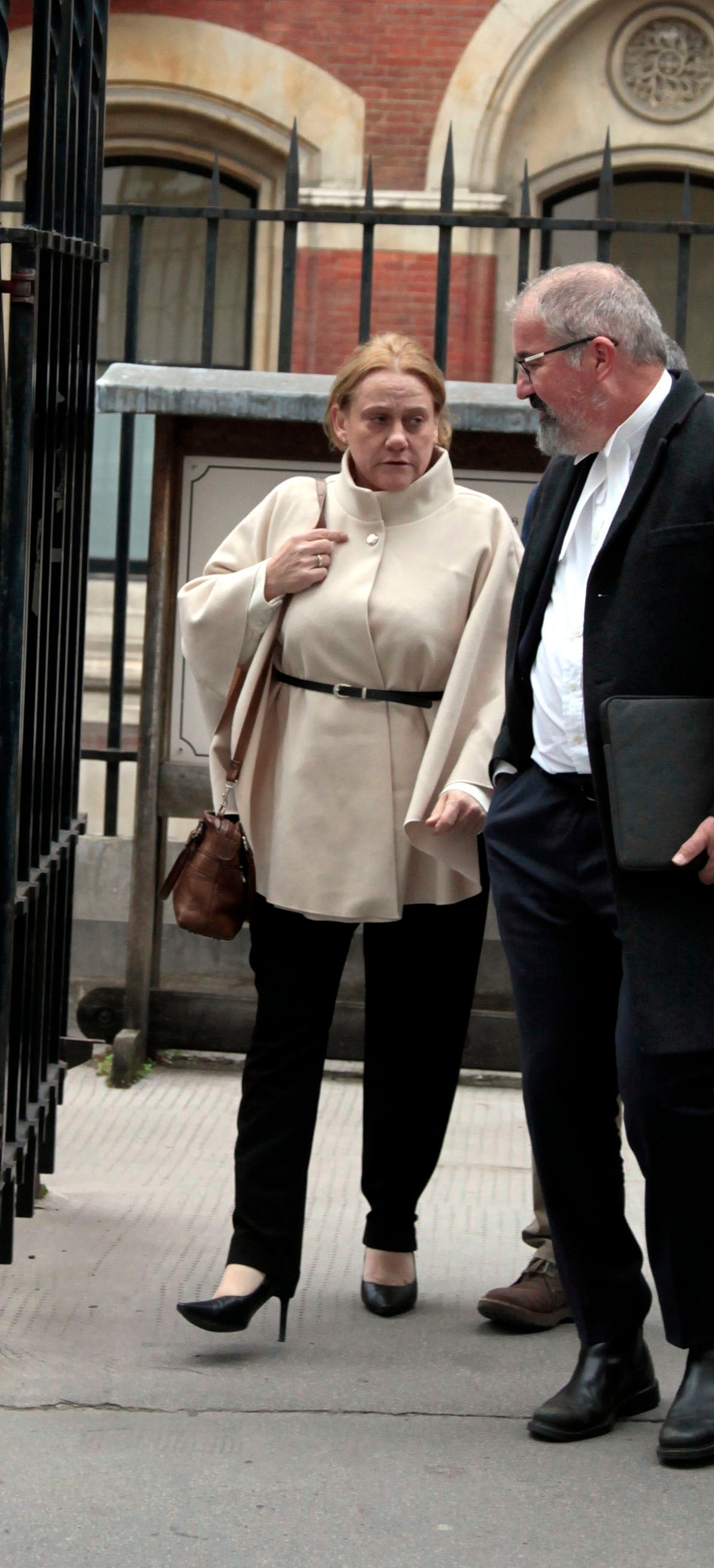
After an anxious wait, Mr and Mrs Gould have now won the backing of the Appeal Court judges, bringing the neighbours' war to an end and allowing them to drive and park their car on their property.
However, the glampsite owner succeeded in getting her liability for her neighbours' legal bills cut from £135,000 to £81,000.
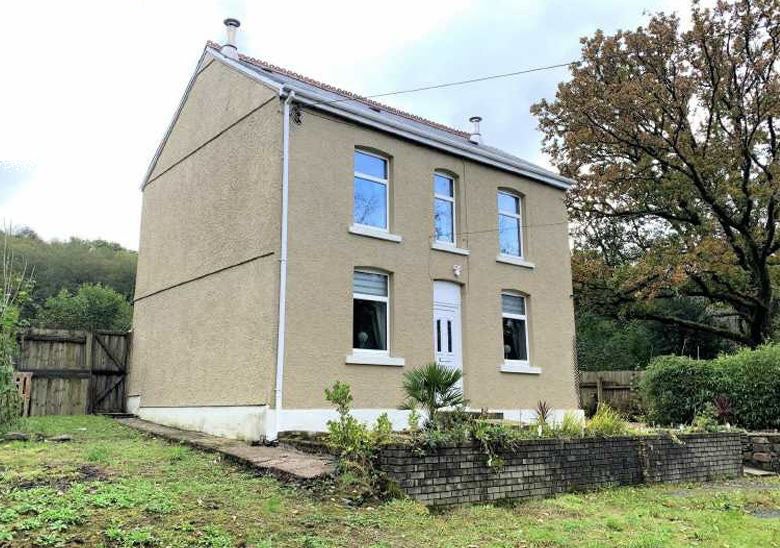
In the initial High Court ruling on the case last year, Judge Milwyn Jarman KC explained how the Goulds' detached cottage, Cwmtawe Villa, Caerbont, Abercrave, near Swansea, is completely surrounded by land attached to Cwmtawe Farm, where Ms Esteban runs her glamping site.
The properties were once all held by the same owner, but the house was sold off in 1949, with documents relating to that transaction now lost.
A 1964 conveyancing document however states that the owners of Cwmtawe Villa enjoy an "easement," granting them the right to use a track owned by the farm to access their house on foot or with vehicles.
However, a missing letter on a map attached to the document sparked the neighbours' fight over how far along the track the easement extends.
The judge explained that while the map shows the start of the right of way marked "point A in a circled capital letter in black near to the junction of the track with the main road. There is no point marked B" to show where it ends.
Ms Esteban and her lawyers said the location of point "B" - and the end of the right of way - was proved by a later map to be exactly outside the Goulds' front door, meaning they would not be legally allowed to drive the few feet further on they would need in order to turn onto the hardstanding they installed to park their car on just to the north of their house.
The glampsite boss argued that a thick hedge had surrounded the villa at the time the right of way was granted and that it would have made no sense for the right of way to entitle the owners to go any further than the gap in the hedge by the front door.
But Judge Jarman, rejecting her argument, said Ms Esteban's assertion, "has the potential to lead to impracticability, if not absurdity.
"It would mean that those entitled to use the right of way could drive a vehicle up to a point adjacent to the front door of the villa, but no further and not onto the villa. They could not park on the track for any length of time, or on the farm land.
"Assuming a right so interpreted would allow them to turn the vehicle around rather than reverse down the track, they would then have to drive off and find somewhere else to park.
"In my judgment, the claimants are entitled to a declaration that their vehicular right of way extends to the space at the north side of the villa, where they presently park their vehicles."
Appealing the ruling, Daniel Bromilow, for Ms Esteban, told Lord Justice Miles, Lord Justice Fancourt and Lord Justice Butcher that the High Court judge "did not base his decision by construing the 1949 conveyance and the conveyance plan, but simply determined what he thought the parties should have agreed to in relation to the right of way.
"When interpreting a contract, a judge should avoid re-writing it in an attempt to assist an unwise party or to penalise an astute party," he said.
Ruling, Lord Justice Fancourt said the entitlement to use the right of way "needs to be construed so as to make it effective, rather than defeat its apparent purpose. That means that the grantee was entitled to use the way to gain entry onto the property in vehicles or with animals.
"In the minds of the parties to the conveyance in 1949, a horse, or a pony and cart, may have been more in mind as a means of travel than a private motor car," he said, as well as "perhaps some large animals such as horses, cows or sheep."
But Ms Esteban's interpretation of the right of way over the track would have obliged the owners to drive any livestock they owned through their own house, he added.
"Such animals, which would on occasions pass to and from the property, would not be accommodated by a narrow gap in the hedge and steps to the front door of the house," he said.
Ruling that the right of way allowed the owners to pass further down the track than the front door to access their garden, he continued: "It is not just the property as a whole that the grantee could pass to and from, but any part of the property 'and all or any buildings thereon'.
"These words emphasise that the way is to be the means of accessing each part of the property, not just its front door.
"The grant is in clear and wide terms. It is a right in perpetuity, for all purposes connected with the property, exercisable on foot, with animals and with vehicles, to pass to and from the property or any part of it or any building on it."
Having dismissed her appeal against the ruling on the extent of the right of way, he went on to allow Ms Esteban's challenge to being ordered to pay her neighbours' whole £135,000-plus legal costs bill for the case, instead reducing that to around £81,000.
He said the court had accepted her barrister's arguments that she had won on some important points in the dispute, saying: "Taking all these matters into account, I consider that the appellant should pay the respondents 60% of their costs of the claim and counterclaim, to be assessed in detail on the standard basis, if not agreed. The interim costs order should therefore be reduced by 40% and will be £80,958.60."
KioskNews shows a cleaned-up reading view extracted from the publisher’s page — the original always lives on their site, not ours.