In US midterms, why Abdul El-Sayed’s candidacy matters beyond ‘first Muslim in Senate’ tag
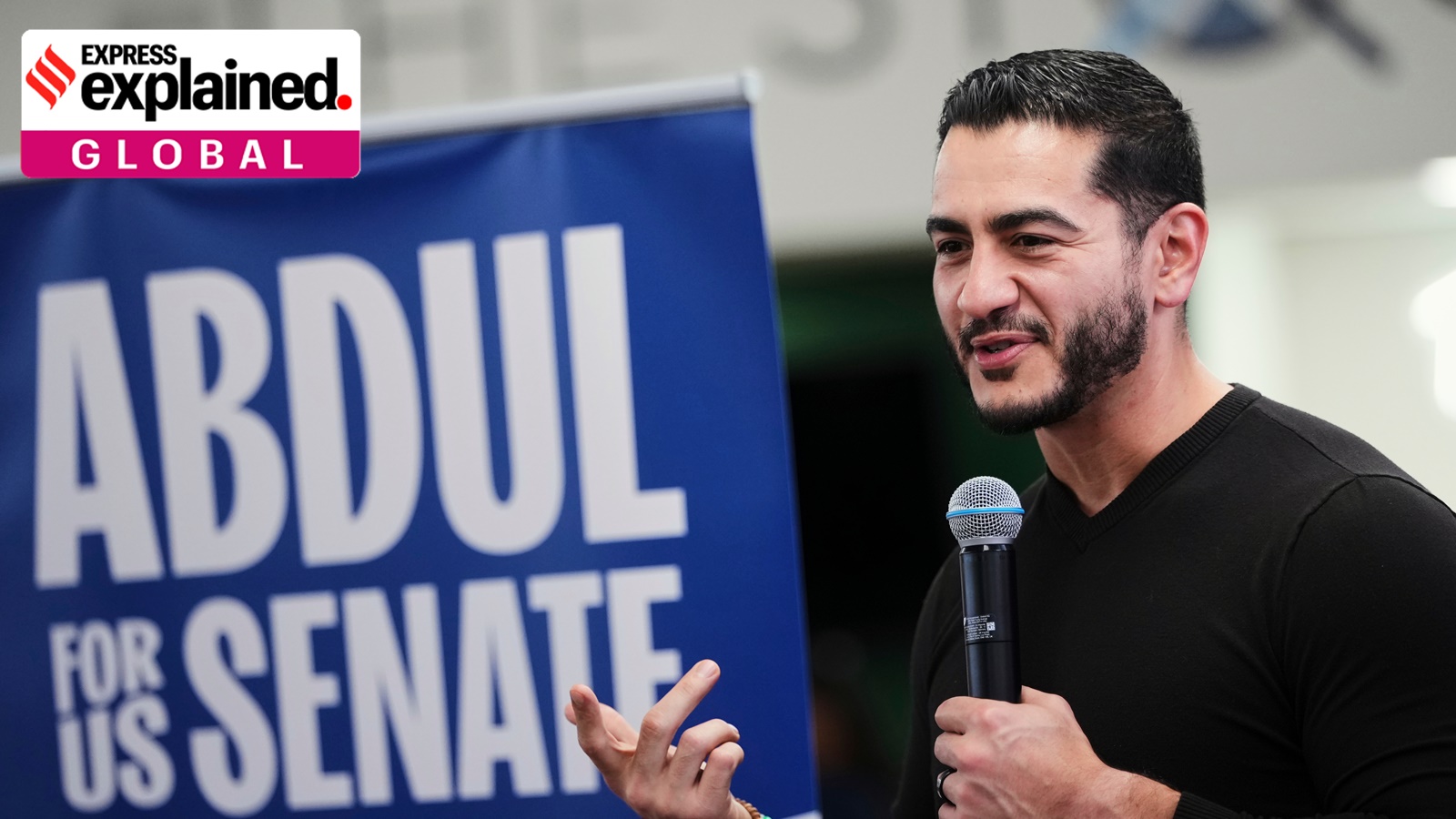
Ahead of the US midterm elections on November 3, one Senate candidate has drawn significant attention — including from President Donald Trump, who described him as a “jihadist lunatic”.
At a recent campaign rally in Iowa on Sunday (November 1), Trump launched into a verbal attack against Abdulrahman Mohamed El-Sayed, the Democratic candidate for the US Senate in Michigan. Should he win, he will become the first Muslim US Senator in history. He responded to Trump’s emphasis on his middle name, calling attention to his religious identity, by saying, “I’ll be Senator Mohamed to you, bro.”
But if he does become Senator Mohamed, it will also hold relevance beyond his identity for his party, US politics, and possibly the world. Here is why.
Who is Abdul El-Sayed?
El-Sayed, 42, was born in Michigan and raised by his Egyptian immigrant father and Michigan native stepmother. He attended public schools and played football, wrestling, and lacrosse, later studying medicine at the University of Michigan and Columbia University. He then earned a second doctorate at Oxford University as a Rhodes Scholar.
Some ambiguity over him allegedly presenting himself as a practising doctor has come under scrutiny. According to a Politico report, El-Sayed earlier said he decided not to practice medicine after treating a patient during medical school and “decided he wanted to address systemic issues, instead of individual patients.”
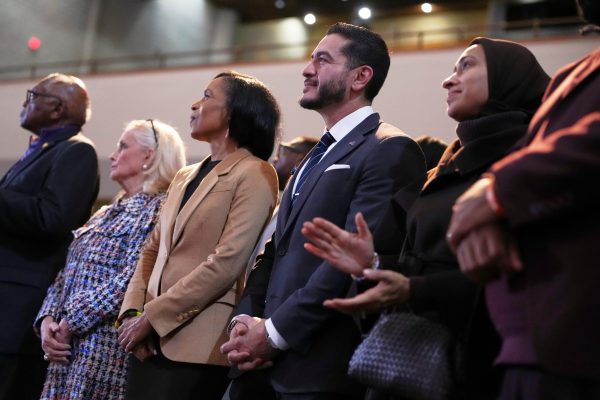 Democratic Senate candidate Abdul El-Sayed and his wife Sarah Jukaku (right), attend a church service at Greater Emmanuel Institutional Church of God in Christ, Nov. 1 in Detroit. (AP Photo/Julia Demaree Nikhinson)
He has written books about public health and held academic positions. He is married to Sarah Jakaku, a psychiatrist whose parents were Indian immigrants.
What is Abdul El-Sayed’s campaign about?
El-Sayed has described himself as a capitalist, rather than a democratic socialist — a tag embraced by other young, non-White politicians of the Democratic Party, including New York Mayor Zohran Mamdani and New York House representative Alexandria Ocasio-Cortez.
Story continues below this ad
Questions about his political ideology came from the fact that his campaign, like Mamdani’s last year, has focused on cost of living and other issues relevant to the working classes, including free medical care. El-Sayed’s website says, “No one should have to choose between getting the care they need or going into debt in the richest, most powerful country in the world. I will fight to expand Medicare (the government’s health insurance programme) to cover all necessary healthcare… without premiums, copays, or deductibles.”
Interestingly, he has echoed some of Trump’s own talking points, such as bringing back US manufacturing jobs outsourced elsewhere, and opposing the existing political establishment. His website says, “Trade deals, like NAFTA, have been a disaster for American manufacturing and have rotted out our towns… Trump’s incoherent, self-serving version of tariffs have only made the problem worse. I support targeted, smart tariffs that would help protect Michigan manufacturing and incubate the industries of the future with unions at the forefront.”
Michigan is among the US’s “rust-belt” states in the northeast, which were known as leading manufacturers in sectors like steel, but they faced decline beginning around the mid-20th century.
El-Sayed has also vocally criticised Israel and US support for the nation over its actions in Palestine. This has been a point of contention given the traditional Jewish support for Democrats in the state, and led to a Democrat in Michigan endorsing the Republican candidate, Mike Rogers, instead.
Story continues below this ad
In that regard, his religious identity has also come under focus, but El-Sayed has often responded strongly to comments like Trump’s. When Mike Rogers spoke about his name, he replied, “Mike, listen man, if you can’t say the name — it’s Abdulrahman — keep the name out your damn mouth.” He then said to the crowd he was addressing, “My name is not raising your gas prices. My name is not taking us to war. My name is not the reason you can’t afford your groceries. You know what is? Their B.S. policies.”
Why does El-Sayed’s candidacy matter?
Ahead of the elections, the contest might seem like it is for the Democratic Party to lose. Polling among voters has shown dissatisfaction with rising fuel prices and inflation, alongside opposition to the underlying reason for these events — Trump’s war against Iran.
But the complexity of the US electoral system means many seats will also be determined by local demographics, and the propensity of that state to vote for a particular party: red states lean Republican, while blue states lean Democrat.
While the elections will include multiple races, including to elect governors in several states, all eyes will be on the two legislative bodies that comprise the US Congress: the House of Representatives and the Senate. All 435 seats in the former, and 35 of the 100 Senate seats, will go to the polls, and the results will affect how the Republicans and Trump can pass their agenda. This could influence US policy on tariffs and visas in relation to countries like India.
Story continues below this ad
Currently, the Republicans control both the House and the Senate, but this could change. Historically, too, sitting Presidents’ parties have generally been left in a worse position after the midterms.
In the Senate, Republicans hold a 53-47 advantage. Democrats need to retain their existing share of seats and gain four seats to flip the chamber. Michigan had a Democratic senator who vacated his seat.
An El-Sayed victory would improve the Democrats’ chances to control the Senate and would add to the argument made by a section of the party’s younger leaders towards a platform focused on welfare and the economy. It would also indicate whether such campaigns resonate among voters outside liberal strongholds like New York and can be adapted for other parts of the country.
KioskNews shows a cleaned-up reading view extracted from the publisher’s page — the original always lives on their site, not ours.