China’s next generation of leaders waiting in the wings for more senior roles

However, recent patterns within the party suggest that Beijing is giving age less weight when it comes to promotions, while the far-reaching anti-corruption campaign is hitting this generation as hard as any other.
The 7G
Regardless of whether Xi Jinping, now 73, chooses to stay in charge beyond the 2032 party congress, he will still need a deep bench of loyal and talented younger officials to carry out his policies.
In recent decades, candidates for Politburo seats have usually been identified many years ahead.
Most candidates for membership of the key decision-making body in 2032 will currently be members of the party’s Central Committee or will be selected as alternate members at next year’s party congress.
Traditionally, most Central Committee members, who have a ministerial-level rank, are required to step down at the age of 65.
Meanwhile, Politburo members observe an informal rule known as “seven up, eight down”, in which those under the age of 67 may serve another five-year term, while those aged 68 or older must retire.
China’s anti-corruption crackdown
Xi broke these precedents for some key figures in 2022, including top diplomat Wang Yi, then aged 69, who was seen as indispensable for managing China’s foreign relations amid escalating competition with the United States.
He also kept the country’s top general Zhang Youxia, then aged 72, in place to manage the country’s military modernisation programme, but Zhang later fell from favour and was detained earlier this year on suspicion of corruption.
Roughly two-thirds of the current Central Committee will have reached the statutory retirement age by the time of the party congress in October next year.
Consequently, the seventh generation, currently about 8 per cent of the party’s central leadership body, is expected to become the biggest cohort.
Only 7G officials who are already members of the Central Committee or those who have been newly appointed as ministers and provincial leaders – who will get their Central Committee seat in 2027 – are likely candidates for leadership roles beyond 2032.
The leading candidates
Some of these contenders have already taken over top regional and ministerial roles this year.
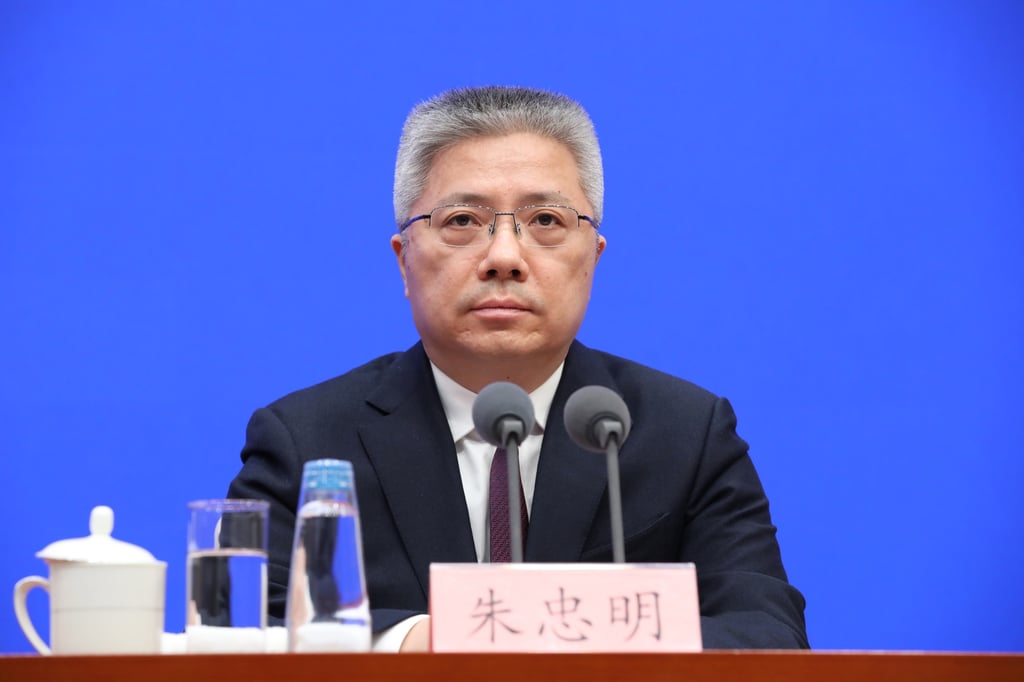
They include Zhu Zhongming, born in April 1972, who was appointed as mayor of Shanghai late last month, a role that puts him in line to become the city’s next party chief.
Zhu, 54, is a career finance official who spent much of his working life in his native province of Zhejiang, where he worked under Premier Li Qiang while he was governor.
Other regional government chiefs of a similar age include Zhejiang governor Liu Jie, Jiangsu governor Liu Xiaotao, and Guangxi Zhuang autonomous region’s government chairman Wei Tao – all born in 1970 – as well as Shanxi governor Lu Dongliang, who was born in 1973.
Other leading candidates, including Beijing mayor Yin Yong and Hubei party secretary Guan Zhiou – who outranks the regional government chiefs – are just a few months older and also considered leading candidates to take on senior national roles.
Other contenders from that generation hold central government and party roles, including A Dong, who leads the Communist Youth League Central Committee, Zhang Chengzhong, the Minister of Emergency Management, and Cheng Fubo, the director of the state-owned Assets Supervision and Administration Commission.
Most of these 7G officials are full or alternate members of the Central Committee. Shanghai mayor Zhu and emergency management minister Zhang, both appointed only recently, are expected to be made full members of the Central Committee at next year’s party congress.
Xie from Tsinghua said “resilient officials”, who had cut their teeth in difficult, under-resourced environments – mirroring Xi’s own formative years – or demonstrated versatile and effective problem-solving skills would be put on a faster track to promotion, as they will have to manage more emergencies caused by extreme weather.
“The preferred style for next-generation leaders is quiet, efficient execution of central mandates rather than high-profile self-promotion or experimental local diverging policies. They must also show the ability to integrate economic development with security considerations, ensuring that local industrial policies adhere to broader central directives regarding supply-chain resilience and social stability,” Xie added.
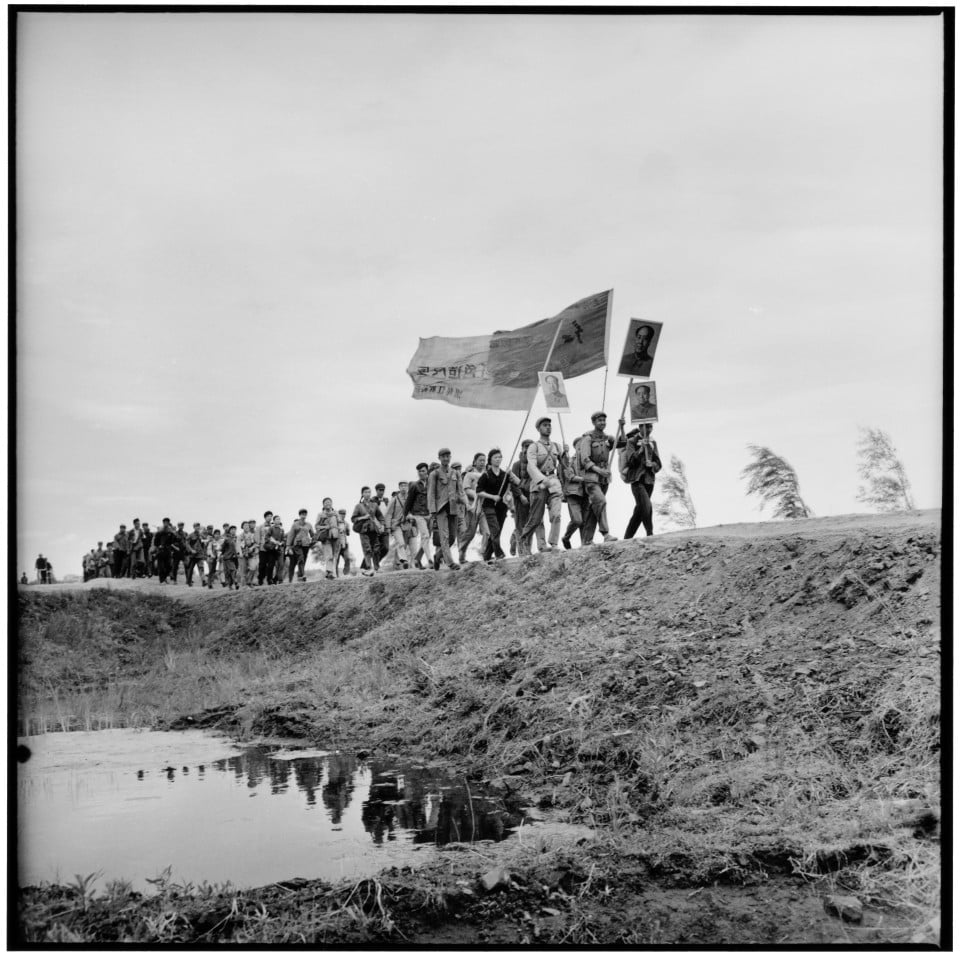
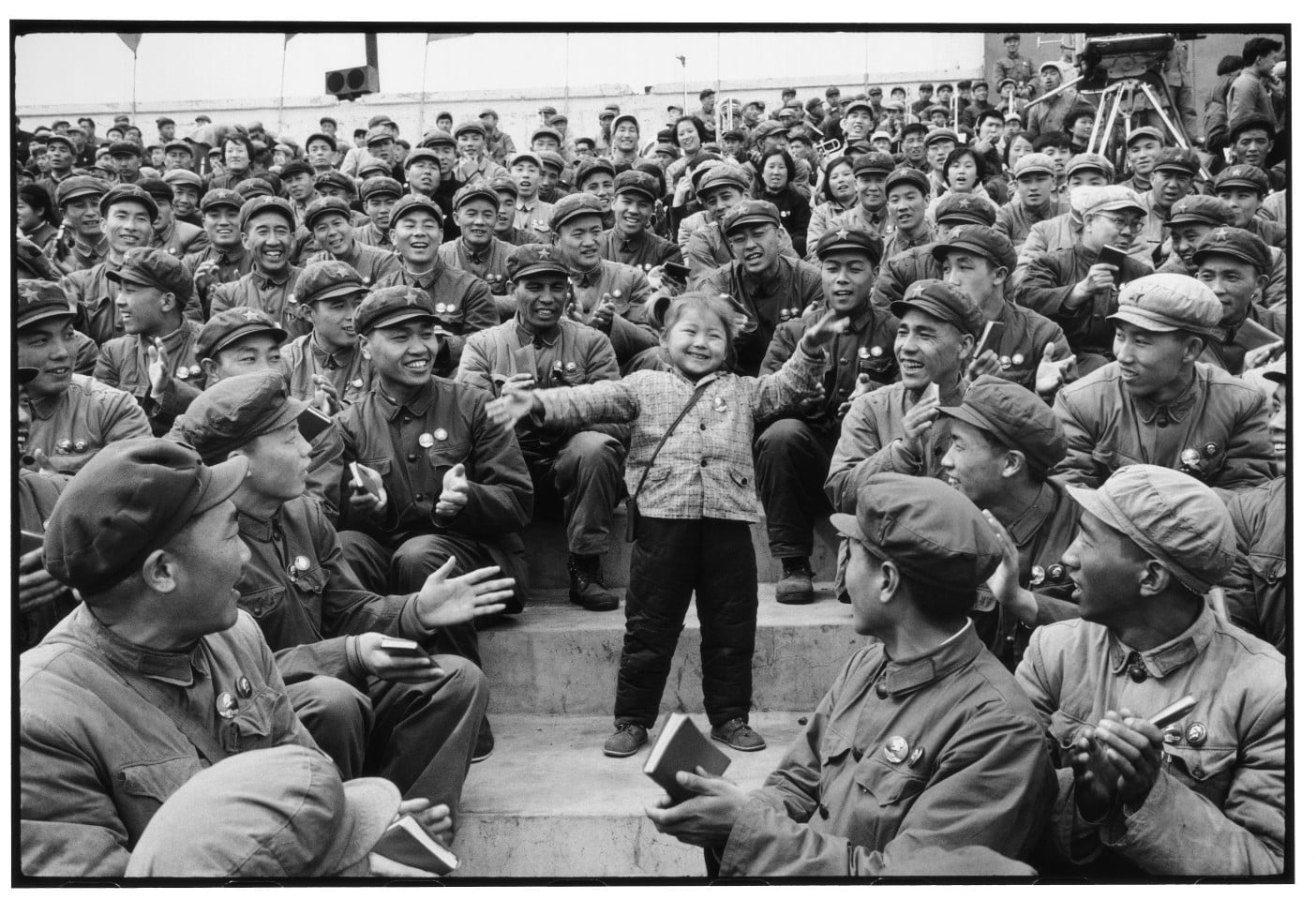
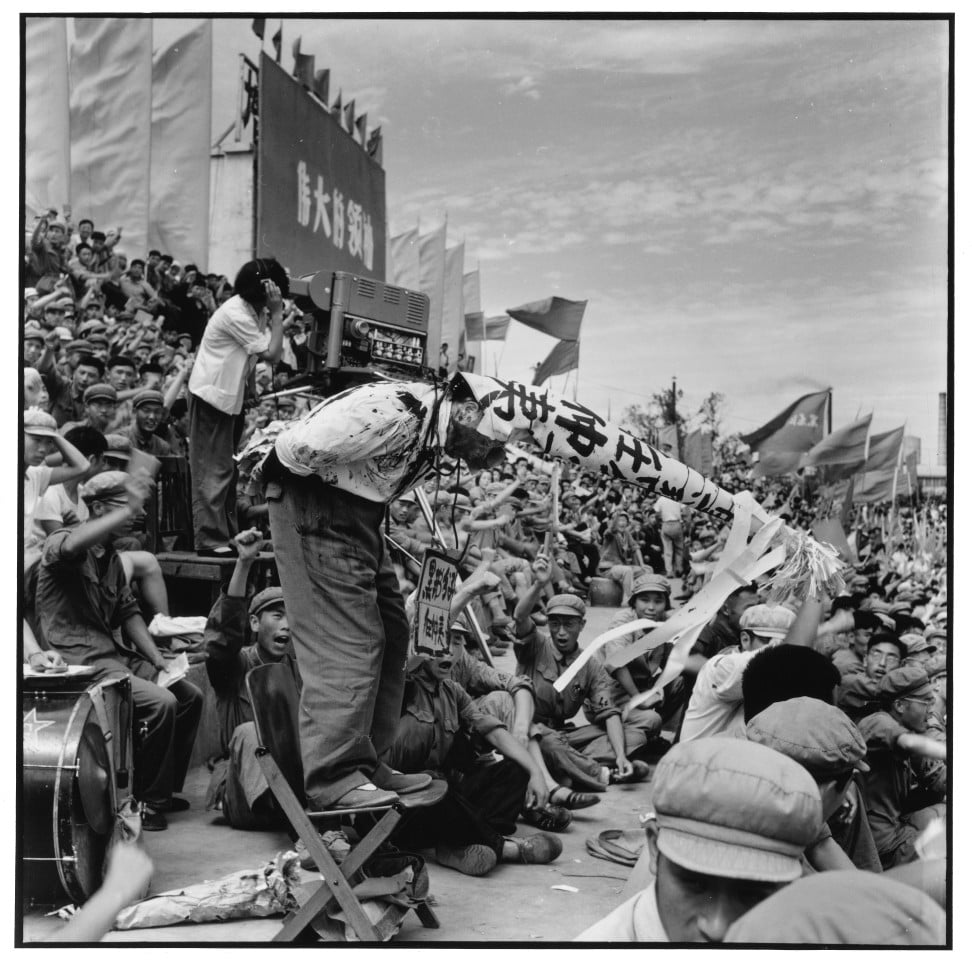
Chinese born in the late 1960s and 1970s have often been described as “the luckiest age cohort” on social media because they were too young to experience the political turmoil of the Cultural Revolution or the physical hardship experienced by “sent-down youths” who worked as farmers in rural areas.
They also avoided the starvation endured by previous generations and grew up as the country’s economy started to boom.
14
14
An analysis published by Li Cheng, director of Hong Kong University’s Centre on Contemporary China and the World, said half of the leading 7G cadres had doctorates – making them the most highly educated cohort in party history – and often had experienced life outside the party system, including overseas study.
Li found that around one-third of them were trained in engineering, while economics and finance represented their other primary fields of study.
There was also a significant proportion that had experience of managing state assets, financial institutions or complex industrial projects, reflecting Beijing’s demand for officials capable of navigating economic headwinds and technological competition.
Yin, the mayor of Beijing, is a prominent example. He holds a master’s degree in public administration from Harvard University and previously served as vice-governor of the People’s Bank of China.
Another example is 1970-born Guo Ningning one of the few high-ranking female contenders for higher office. She was appointed party chief of Fujian’s provincial government on Saturday, paving the way for her appointment as governor.
She spent more than a decade leading operations for state banks in Hong Kong and Singapore before entering provincial governance.
Meanwhile, Hubei’s deputy party chief Zhuge Yujie, born in 1971, was named as the new party secretary of the Qinghai government, also putting him in line to become the province’s next governor.
No more fast track
However, these officials have climbed the ladder more slowly than some previous generations.
For example, the 2002 party congress saw dozens of officials in their late 30s or early 40s being given vice-ministerial posts, some of whom achieved full ministerial rank three years later, including Sun Zhengcai, who became agriculture minister at the age of 42, or Hu Chunhua, who became head of the Communist Youth League aged 43.
At the time, these promotions were seen as filling a skills gap caused by a lack of administrative skills and economic experience among older officials.
But since Xi came to power in 2012, fewer younger cadres have been given senior posts as the leadership prioritised performance and experience.
The youngest members of the Central Committee were in their mid to late 40s when they were appointed and the average age of new members of the last two Politburos – around 62 – was much higher than in the previous three, where it was well below 60.
Xi and other senior leaders have warned that fast-tracked young bureaucrats sometimes lack real-world experience.
As early as 2011, the Central Organisation Department explicitly warned of the problem caused by “three-door cadres” – a term used to mock young civil servants who moved directly from their family’s doorstep to university and then into government offices.
Xi has also introduced the concept of “letting seedlings develop firm roots”, dunmiao in Chinese, mandating that up and coming cadres spend extended periods in complex, frontline postings – such as poverty alleviation, disaster response and industrial restructuring – before being eligible for senior command.
Those who crashed out
An additional challenge for the 7G cadres is the country’s ongoing anti-corruption drive, which has already led to the downfall of some high-profile figures.
The latest case involves Beijing’s executive vice-mayor Xia Linmao, who was placed under investigation last week.
Born in 1970, Xia, who has a doctorate from Tsinghua University and held a variety of top-tier technocratic postings in the capital’s urban planning and government operations, epitomised the demographic cohort that rose swiftly through the sub-provincial ranks.
Xi projects confidence for China’s Communist Party at 105th anniversary event
His downfall is just the latest warning that rising cadres face intense and constant scrutiny and will be judged strictly on political compliance and administrative conduct rather than their potential.
Other once-promising 7G officials who have fallen foul of the anti-corruption drive include former Urumqi party boss Yang Fasen, who was jailed for life last October for accepting more than 147 million yuan (US$20.7 million) in bribes, and Fei Gaoyun, who held a similar role in Hefei and was placed under investigation in May.
He was abruptly demoted and stripped of his seat in the national legislative body in May over disciplinary violations, underscoring that a temporary lead in the political marathon provides no immunity against tightened scrutiny.
KioskNews shows a cleaned-up reading view extracted from the publisher’s page — the original always lives on their site, not ours.