'I kept going in and out': For some pensioner shoplifters, prison is the goal

Watch Dateline’s latest episode, Japan’s Shoplifting Pensioners, on 18 August at 9.30pm AEST on SBS or SBS On Demand.
When Fujisawa walked out of prison for the fifteenth time, he had nowhere to go. No home, and no family waiting for him. After spending a total of 35 years behind bars for repeated shoplifting, remaining free meant uncertainty.
Fujisawa had been stealing tiny items of little use to him—lipstick, food, whatever he could grab quickly. Despite severe sentencing for repeat offenders in Japan, prison was never much of a deterrent. It meant returning to a community he was comfortable in.
"Once you’re in, you’re among friends, people who will accept who you are, whatever your background," he says.
"In Japan, prison is the best place, I don't have to protect myself there."
News that makes sense
Your trusted source for staying up-to-date with the world around you. Get free daily news updates and analysis, straight to your inbox.
Now in his seventies, Fujisawa has spent much of his adult life moving between prison and the outside world.
"I kept going in and out of prison," he says. I was only out in society for one or two years at a time."
While Fujisawa's story is extreme, he is part of a much broader problem in Japan.
Japan's ageing offenders
Japan has one of the world's oldest populations, with more than a quarter of its citizens aged 65 or older. Its offenders are ageing too.
The proportion of elderly offenders has climbed despite overall crime rates falling dramatically. With people over 60 making up of more than a quarter of arrests in some parts of the country, many are accused of petty theft.
Volunteer probation officer Chiba has observed this shift. He says 20 to 30 per cent of his parolees are elderly.
"Being isolated and the rising cost of living, some old people don't receive enough pension. They run short on money, so they repeat crimes."
According to government data, around half of elderly people caught shoplifting live by themselves, with four in 10 saying they have no family or rarely speak to them.
The number of Japanese seniors living alone has dramatically increased over recent decades, leaving many to face old age with little financial or social support.

Desperate to go back to prison
Elderly offenders also have some of Japan's highest rates of reoffending. Nearly one in five prisoners over 60 returns to prison within two years of being released.
Last year, the government amended the Penal Code, abolishing mandatory prison labour and introducing rehabilitation programs to give prisoners skills to help them cope with life on the outside.
But former prisoners coming back to the outside still face social stigma. Many struggle to find work and secure housing.
"Historically in Japan, our attitudes towards former prisoners and how we treat them has not been good," Chiba says.
"Even though they've been locked up, and they've paid for their crime, people will still label them as former inmates."
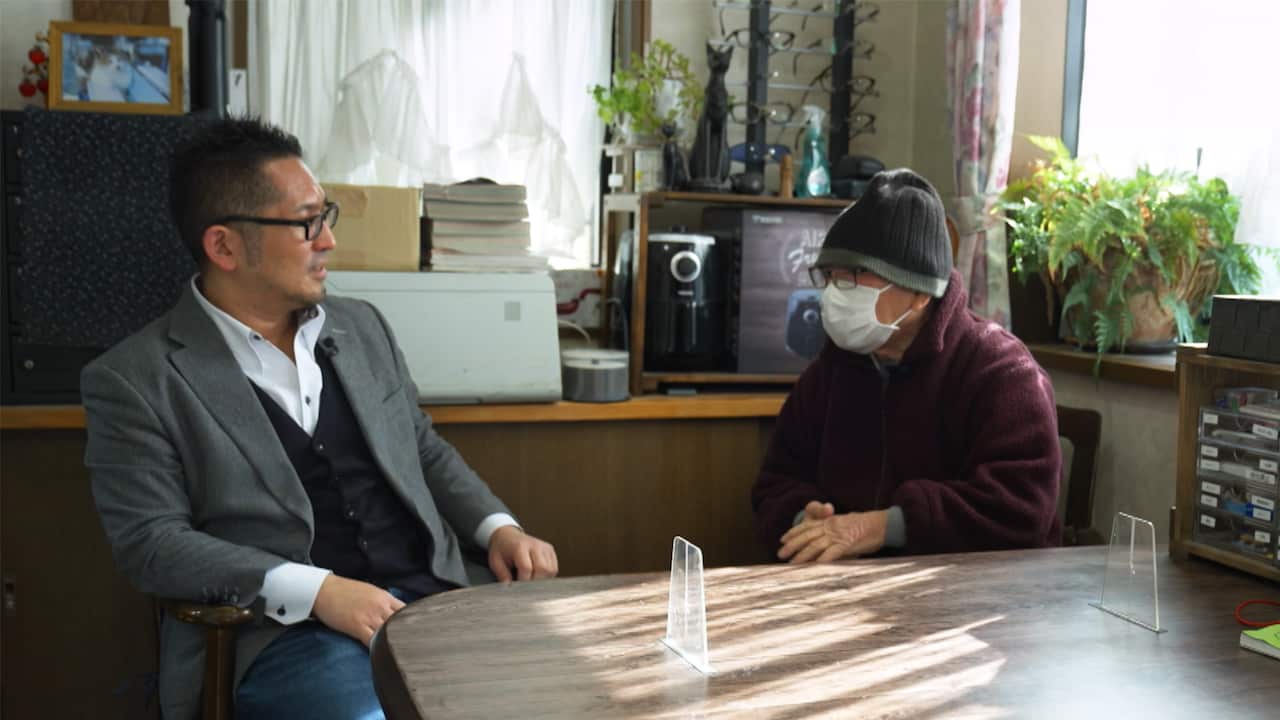
Tanaka (not his real name) knows what that can cost. Now in his eighties, he recently came out after two years in prison for shoplifting. It was his first offence. Now he's struggling to find anyone who will even rent him a room.
"I got a divorce so I wouldn't cause my wife more trouble," he says.
"I don't see my children at all and have been alone since I came out."
Without relatives willing to act as guarantors, former prisoners can end up relying often rely on welfare accommodation or halfway houses supported by probation officers or even end up on the streets.
A reason to stay out of prison
For Fujisawa, life outside looks quite different in his old age. With his wife and family cutting ties, he now lives in a welfare hostel.
After returning from his last stint in prison, he turned to the local council for social welfare. After paying rent, he says he is left with around 30,000 to 40,000 yen ($260-$350) a month. While it's not much, Fujisawa says it's enough to keep building his life and stop him from shoplifting again.
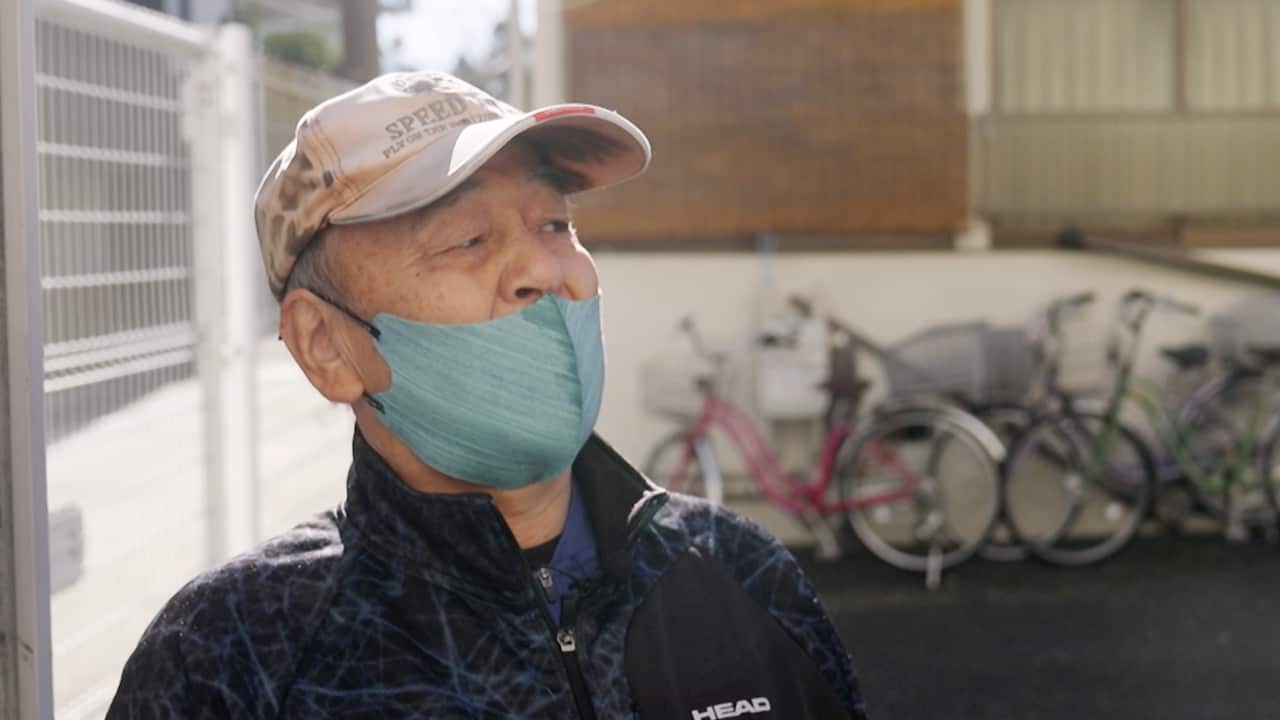
He now works as a volunteer cleaner for Sanya Cafe, a charity helping to get elderly and vulnerable people off the streets.
For a man who spent decades moving in and out of prison, the work has given him something he says he never had on the outside: a place in the community.
"When I pick up rubbish, people queuing at the bus stop say thank you to me," he says.
"I've never been thanked before."
Fujisawa still acknowledges his past.
"I'm not proud of my life, I'm ashamed of it," he says.
"But now I'm happy I can live, maybe not quite as normally as other people, but as close to normal as I can."
People recognise him. He has somewhere to be and something to contribute, and that is important to Fujisawa.
"Being able to work here as a volunteer makes me happy, and I'm useful to people. If I weren't here, I'd be in prison."
KioskNews shows a cleaned-up reading view extracted from the publisher’s page — the original always lives on their site, not ours.