5 Best Crime Shows Told From the Criminal's Perspective, Ranked
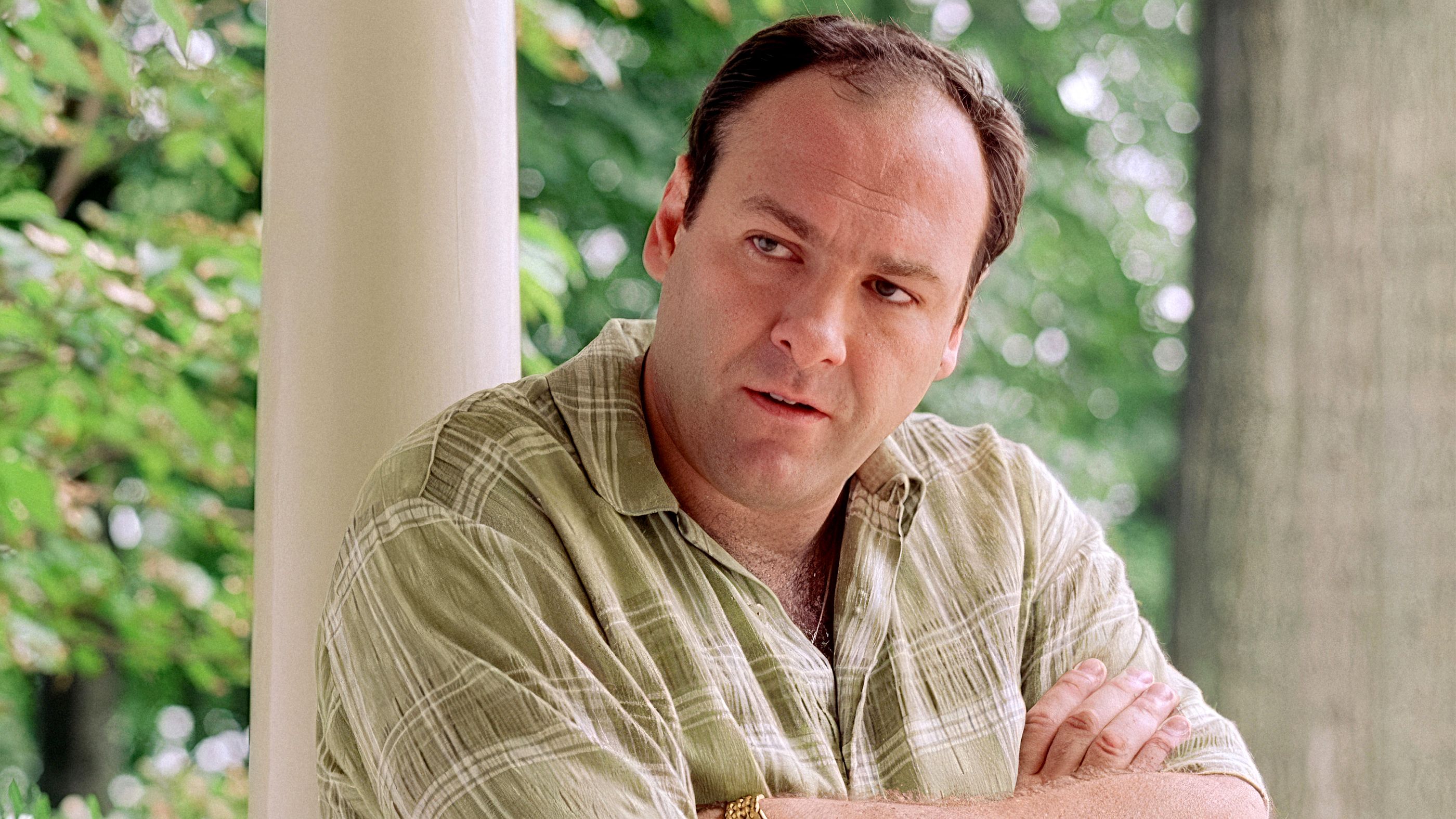

Sign in to your Collider account
Most crime shows want viewers on the side of the law. The detectives are the stars of the show, and the criminal is only a vehicle for them to show off how clever they are. The bad guy usually gets a few scenes and a quick motive before disappearing. The formula obviously works, but it also means the most interesting person in the story barely gets a voice, and audiences rarely find out what actually pushed these characters to become who they are.
Only a few shows have done the exact opposite. They make the risky move of handing the story to the criminal and let viewers see every lie and every bad decision up close. The strange part is how quickly the audience starts rooting for them, even when they know they shouldn’t. That uncomfortable sense of loyalty is what keeps people glued to the screen. Here are the best crime shows told from the criminal’s perspective, ranked.
5 'Ozark' (2017–2022)

Ozark proves that a crime show doesn’t need a traditional big bad monster to feel dangerous. In fact, Marty Byrde (Jason Bateman) doesn’t even look like a criminal, but that’s exactly why he’s so good at being one. On paper, the show’s protagonist is a boring Chicago financial advisor with his wife Wendy (Laura Linney) and two kids. In reality, he has spent years quietly laundering money for a Mexican drug cartel. When his business partner gets caught stealing from them, Marty only survives by making a desperate promise. He tells the higher-ups that he will move his family to Missouri’s Lake of the Ozarks and clean even more money there. Unfortunately, the locals there turn out to be just as dangerous as the cartel.
Ozark works because viewers are never really asked to like Marty. All they have to do is watch him survive one impossible situation after the other. The real star, though, is Wendy, who starts as a reluctant passenger and slowly becomes the most ruthless person in the story. Ozark is equal parts family drama and equal parts crime thriller. That emotional grounding really raises its stakes. The longer the Byrdes stay in the Ozarks, the more the question becomes whether they can make it out alive without losing who they used to be. A must-watch for anyone who can appreciate morally gray TV characters.
4 'Dexter' (2006–2013)
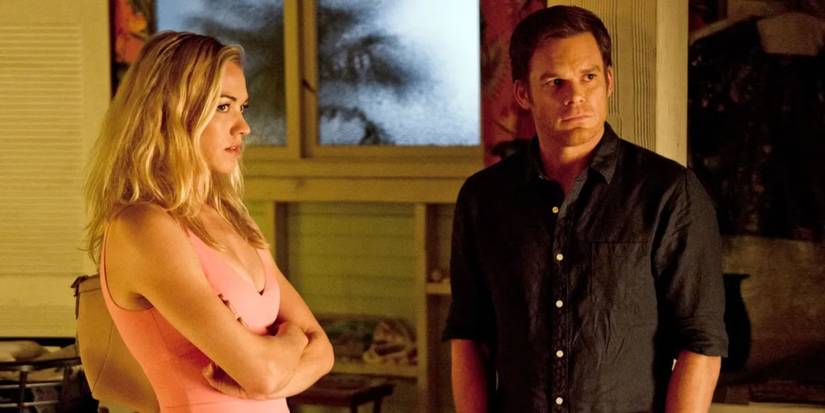
Dexter pulls off the impossible task of making a serial killer the guy viewers cheer for. The show follows Dexter Morgan (Michael C. Hall), who works as a blood spatter analyst for the Miami police by day. By night, though, he hunts down murderers who have escaped justice. His adoptive father, Harry (James Remar), noticed Dexter’s violent urges when he was a child and taught him a strict set of rules, so he only kills people who seem to deserve it. Of course, keeping that secret gets harder as Dexter builds a family and a life that look completely normal from the outside.
The secret weapon in Dexter is the show’s narration. Viewers hear Dexter’s thoughts in every scene, and his dry, deadpan jokes make him feel more like a friend than a monster. That closeness between him and the audience is the whole point, because they end up making the same excuses for him that he makes for himself, and the show occasionally snaps them back to reality with a reminder of just how cold he can be. Dexter Season 4, where the protagonist faces John Lithgow’s terrifying Trinity Killer, is the series at its peak. The ending may have disappointed fans, but Dexter paved the way for every killer that viewers have rooted for since.
3 'Better Call Saul' (2015–2022)
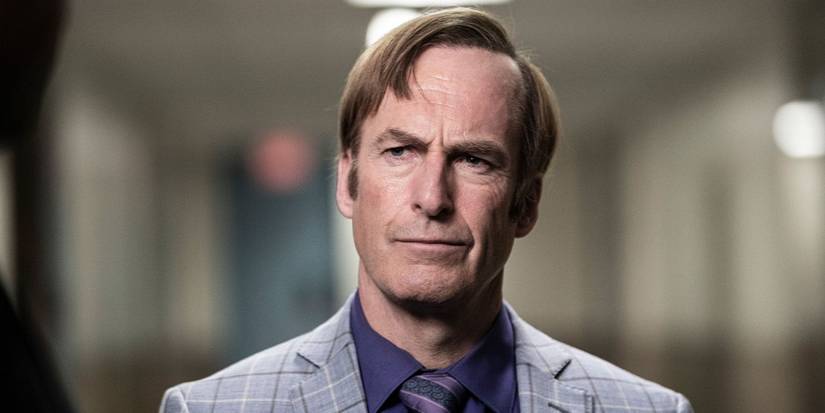
Anyone who watched Breaking Bad already knows how Jimmy McGill’s (Bob Odenkirk) story ends, and Better Call Saul turns that into its greatest strength. Before he became Saul Goodman, the sleazy lawyer for drug dealers, Jimmy was a struggling attorney in Albuquerque trying to leave his past as a small-time con man behind. In the spinoff, he wants nothing more than to be taken seriously, especially by his successful older brother, Chuck (Michael McKean). Unfortunately, though, Jimmy just can’t stop cutting corners, and every shortcut pulls him a little closer to the cartel. Watching Better Call Saul feels like watching a slow-motion car crash, because viewers can see the danger long before Jimmy does.
The show makes it easy to understand him, since so many of his worst moments come from pure desperation. His relationship with Kim Wexler (Rhea Seehorn), a brilliant lawyer who secretly loves a good scheme as much as he does, is the emotional heart of the series, and their story is the show’s most heartbreaking part. Plenty of fans agree that the show is even better than the original, and that is primarily because it helps them understand the man behind the ruthless, larger-than-life Saul Goodman persona, who ends up becoming one of the most tragic characters in TV history.
Collider Exclusive · Villain Personality Quiz Which Criminal Mastermind Would Be Your Nemesis? Lecter · Joker · Moriarty · Chigurh
Four of the finest criminal minds ever put on screen. One of them would look at you and see something worth their time. Eight questions decide which one comes for you, why they picked you, and what they would want when they arrived.
🍷Lecter
🃏Joker
♟️Moriarty
🪙Chigurh
01
What would a criminal mastermind notice about you first? Great villains choose their opponents carefully. Something about you got their attention.
02
How do they make first contact? The introduction tells you everything about what is coming next.
03
What do you actually believe about right and wrong? Every nemesis is really an argument about the thing you believe most.
04
What finally gets under your skin? Everybody has a pressure point. Finding yours is the whole plan.
05
They have made their move. How do you fight back? This is the part of the film where the audience finds out who you are.
06
What would they use against you? A good villain never brings a weapon you have not already handed them.
07
What do they actually want from you? The money is never the point. Something else always is.
08
How does it end between the two of you? Eight questions in, this is the one that decides who comes for you.
The Case File Is Complete Your Nemesis Is…
Four criminal masterminds. One of them was always going to be yours. Here is who comes for you, why they picked you out of everyone available, and what they want from the encounter.
Hannibal Lecter
Your nemesis does not want to beat you. He wants to know you completely, and he is patient enough to wait for it. The frightening part is how good the conversation is.
- Lecter is the most dangerous kind of opponent: the one who finds you interesting. He never raises his voice, because he has never needed to.
- You keep a great deal to yourself and you are careful about what you show. That reserve is exactly the door he would knock on.
- The films understood something other thrillers missed. The horror is not the violence. It is being perfectly understood by the wrong person.
- He would be unfailingly polite about all of it. That is the worst part.
The Joker
Your nemesis is not after money, territory or revenge. He is after a demonstration, and you are the person he has chosen to prove his point on.
- The Joker only picks opponents who believe in something. Your decency is not a defence against him. It is the entire reason he showed up.
- He has no plan you can predict and nothing you can take away, which removes every tool you would normally reach for.
- His whole argument is that you are one bad day away from being him, and you would spend the rest of your life proving him wrong.
- He would call it a magic trick. You would call it the worst night of your life.
Moriarty
Your nemesis respects you, which sounds flattering until you work out what it means. He chose you because nobody else was worth his time.
- Moriarty is the original criminal mastermind, the template every later one borrows from: a mind the equal of the hero's, pointed the wrong way.
- You enjoy being the cleverest person in the room. He is counting on exactly that, and he has already built the room.
- This is the rare nemesis who would be genuinely disappointed if you lost badly. He needs the game to be worth playing.
- It ends the way these things always end. Two people, one problem, and only one way down.
Anton Chigurh
Your nemesis has no personal interest in you whatsoever, and that is precisely what makes him unsurvivable. You are not a rival. You are a stop on the way.
- Chigurh does not negotiate, gloat or explain. He arrives, he asks one question, and the answer was decided long before you opened your mouth.
- You trust yourself to handle things. He is the one problem in the world that has no interest in how capable you are.
- No Country for Old Men rewrote the screen villain by removing the thing audiences quietly rely on: the sense that talking might work.
- Call it. He will wait.
2 'The Sopranos' (1999–2007)
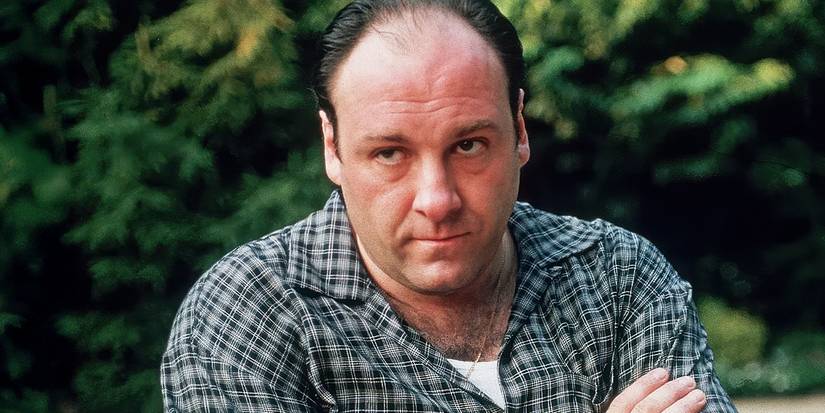
The Sopranos begins with a mob boss in a therapist’s office, and that one idea changed TV forever. Tony Soprano (James Gandolfini) runs a New Jersey crime family, but he’s also a husband and father who suddenly starts having panic attacks. Desperate to make them stop, he secretly begins seeing a psychiatrist, Dr. Jennifer Melfi (Lorraine Bracco). Their sessions give the audience a front-row seat to the mind of a man who has spent his whole life hiding his feelings behind anger.
The therapy sessions are the most fascinating part of The Sopranos. Tony is often charming and funny, and it’s easy to feel for him when he talks about his difficult mother or his fears about his kids. Then he walks out of Dr. Melfi’s office and does something horrifying, and viewers are reminded that understanding someone isn’t the same as excusing them. Gandolfini makes both sides of Tony feel completely real, which is why the character still feels so alive today. The show refuses to give him a neat redemption, and its famously abrupt ending is still polarizing fans decades later. The Sopranos is the show that taught TV how to take its antiheroes seriously, and every other crime show since then has tried to live up to its legacy.
1 'Breaking Bad' (2008–2013)
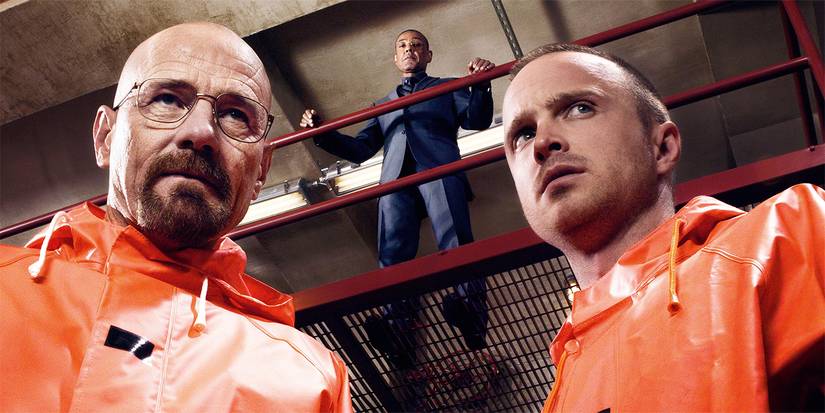
Breaking Bad opens with Walter White (Bryan Cranston) being a harmless chemistry teacher, desperate to ensure his family’s financial security after he is diagnosed with terminal lung cancer. To do so, he partners up with his former student, Jesse Pinkman (Aaron Paul), to cook and sell meth so his family will be taken care of after he’s gone. Walter’s chemistry skills make their product the best on the market, and soon enough, Walter starts transforming into Heisenberg, the cold alter ego he invents to do business in the drug world.
Now, the brilliance of Breaking Bad is how it plays with the audience’s sympathy. Early on, it’s easy to cheer for Walt as an underdog finally standing up for himself. Then, little by little, the show reveals that he was never really doing it for his family, and viewers are left wondering why they rooted for him in the first place. Cranston’s slow evolution into an entirely different character is one of the greatest performances in TV history, and Walt’s relationship with Jesse gives the series some of its most memorable villains. Breaking Bad is a near-perfect series from beginning to end, and it’s the ultimate example of how to tell a story from the bad guy’s side.
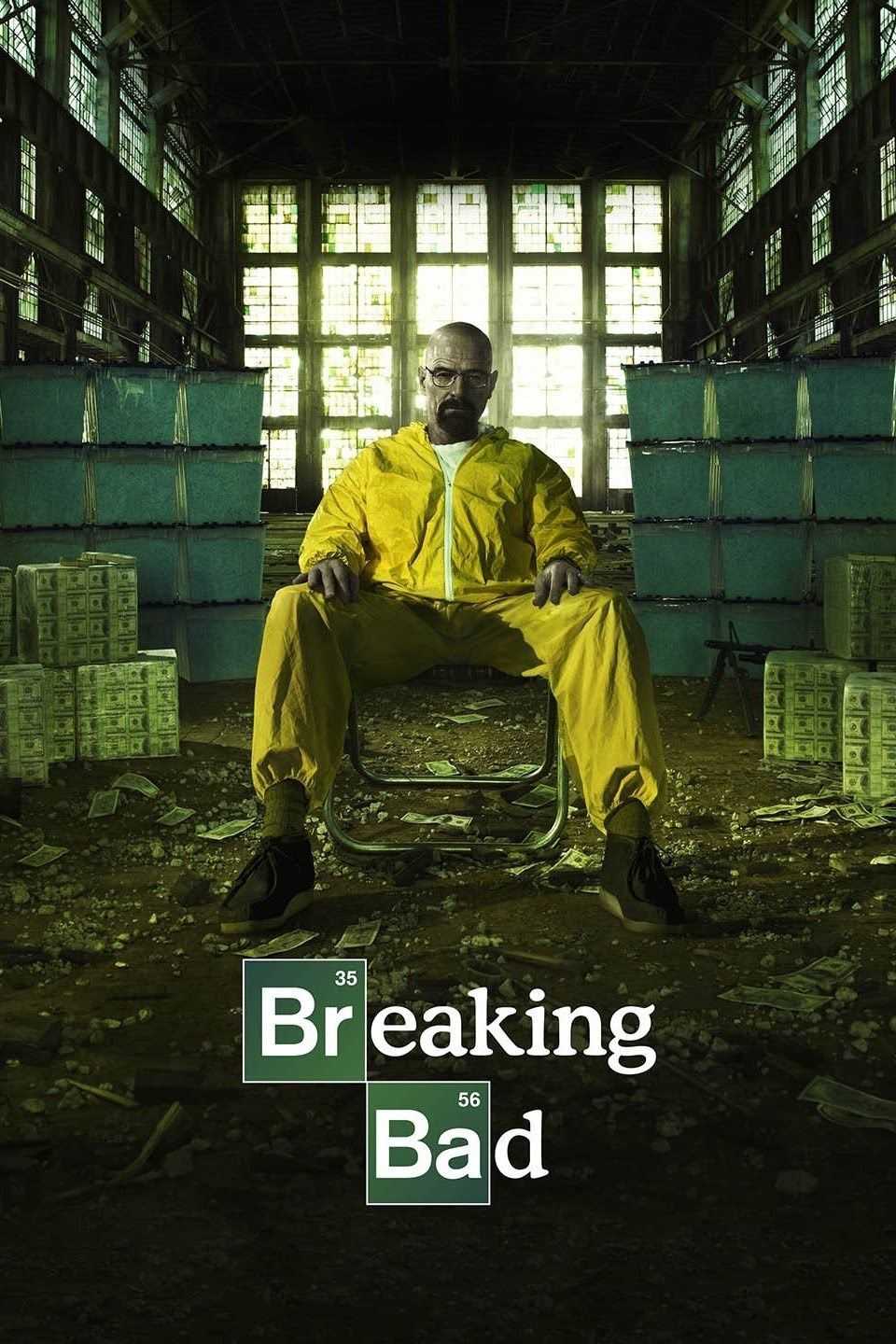
Breaking Bad
- Release Date
- 2008 - 2013-00-00
- Network
- AMC
- Showrunner
- Vince Gilligan
- Directors
- Vince Gilligan, Michelle Maclaren
KioskNews shows a cleaned-up reading view extracted from the publisher’s page — the original always lives on their site, not ours.