Exhausted Chinese working mums book solo hotel stays to escape childcare and sleep
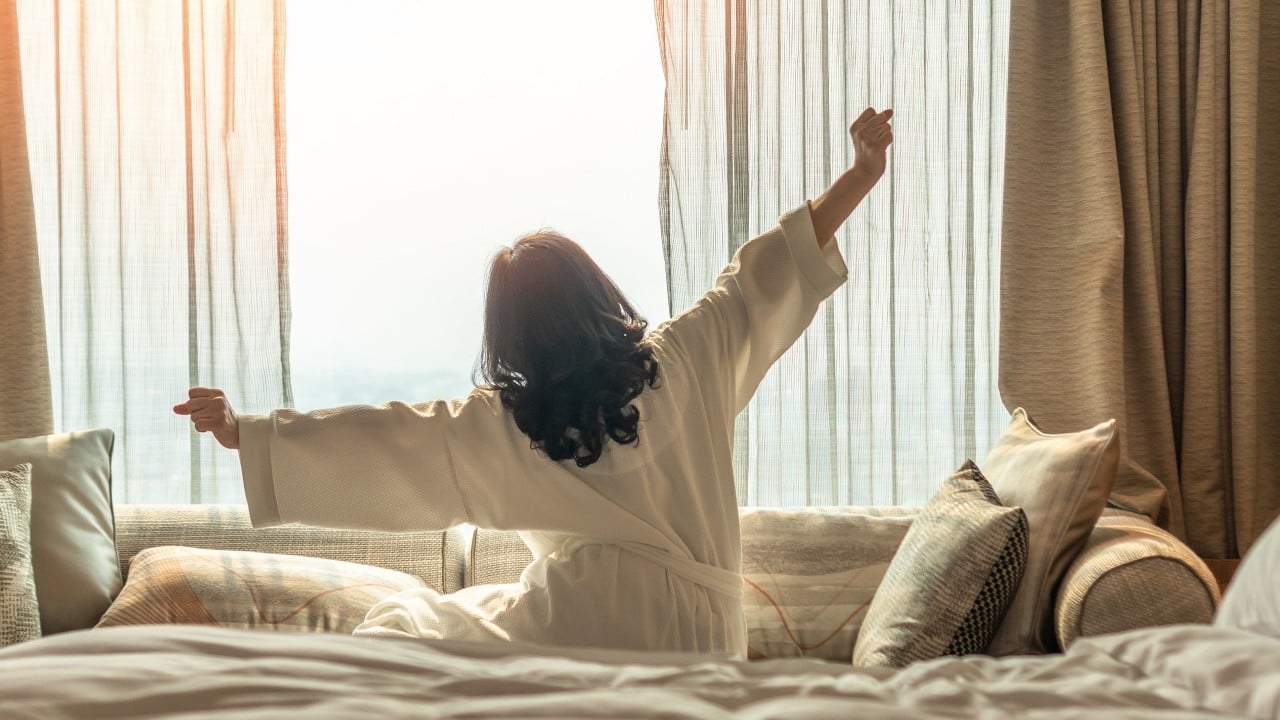
Across China, a growing number of middle-aged working mothers are quietly checking into hotel rooms alone, desperate to get a few hours of uninterrupted sleep.
Caught between demanding daytime jobs and an exhausting “second shift” of housework and parenting, many women see these solo hotel stays as their only real escape, according to multiple mainland reports.
One 34-year-old mother, who lives with her husband, in-laws, and kindergarten-age daughter, shared on RedNote that she had no personal space at home.
Despite having a supportive husband, she still felt suffocated by the loss of her vibrant personal life.
One evening, she booked a hotel room after work, telling her family she had to work overtime.
For four hours, she showered, ate, read, and watched TV in peace.
“Spending a little over 100 yuan (US$15) for four hours of freedom was completely worth it,” she wrote in a post that garnered nearly 20,000 likes. “At that moment, it felt like I was dating myself.”
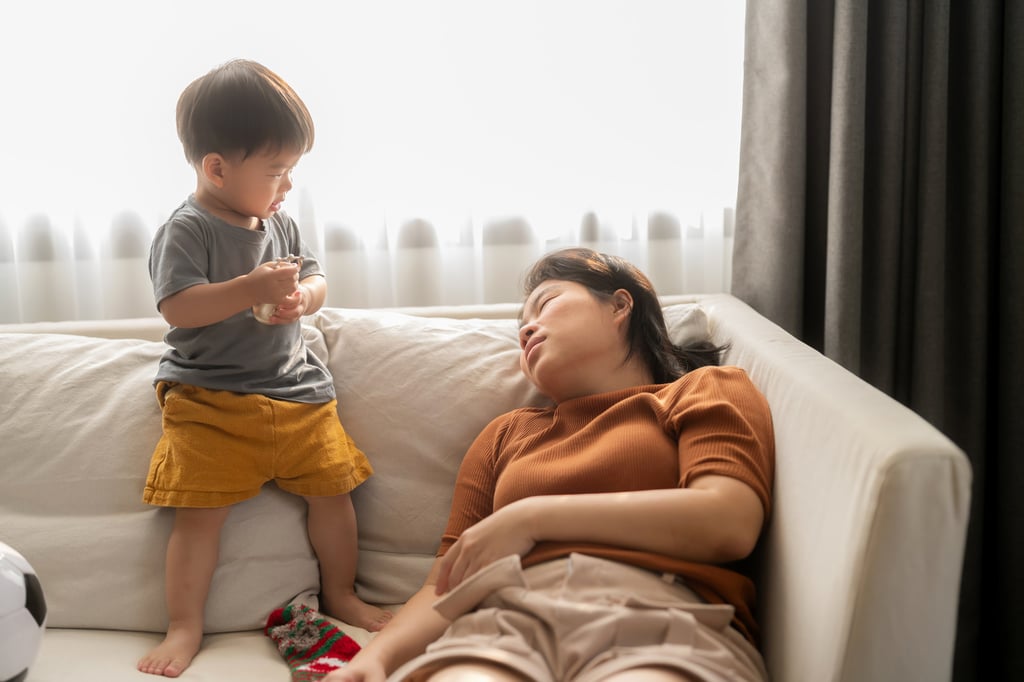
Her story resonated widely, prompting many working mothers to share their “hotel getaway diaries” online.
An administrative executive in Changsha, central China, books an hourly hotel room near her office every Thursday afternoon to blast rock music and eat luosifen noodles – things her family dislikes at home.
Another mother, from Hangzhou in eastern China, said she treasured business trips for the chance to spend uninterrupted evenings wandering the streets, applying a face mask, and binge-watching TV shows without constantly hearing the word “Mum.”
While some working mothers use this time alone to exercise, read, or meditate, most simply want to catch up on sleep disrupted by snoring partners and crying children.
As one mother wrote after taking a day off to stay in a hotel: “I just wanted to sleep and recharge. Tomorrow, I will be whole again.”
Some also admitted they could retreat to a hotel only in secret, seeking refuge from criticism by older relatives and complaints from their spouses and children.
Another woman pointed to a quiet asymmetry at home: her husband could retreat to the balcony for a smoke or take his time in the bathroom behind a closed door, while she could not even cry in a wardrobe without worrying that her toddler might see her.
Their exhaustion reflects a broader, documented reality.
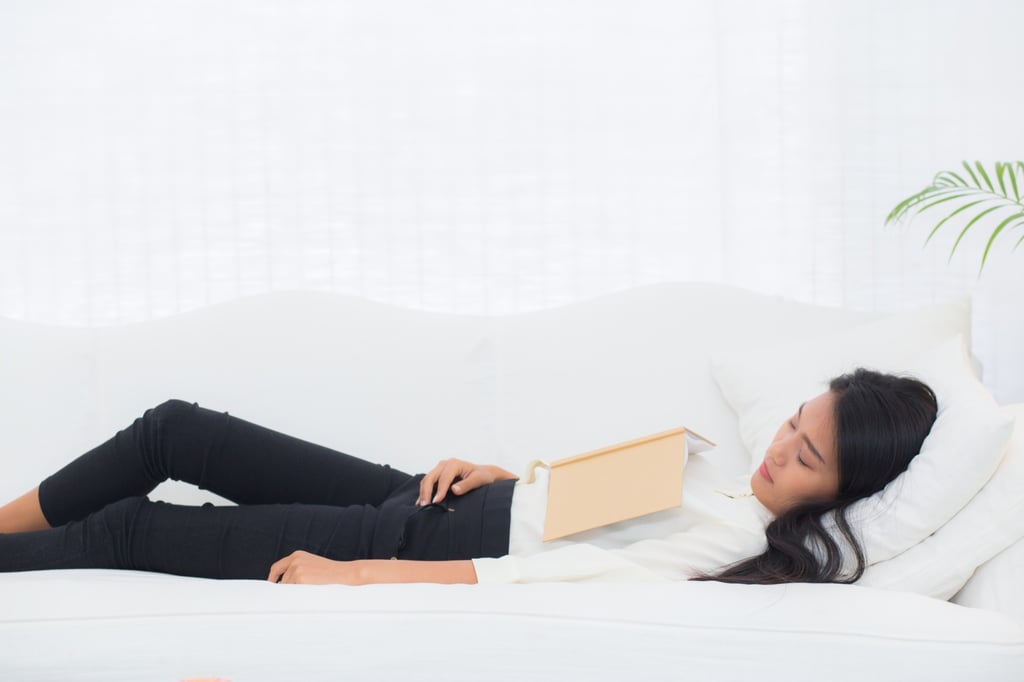
A 2025 study by the Zhaopin Research Institute found that more than a third of Chinese working mothers spend over two hours a day on domestic chores, far more than working fathers.
“Even when family members step in, children almost always look to Mum first,” one online user commented.
Another wrote: “They are human beings first, and only then mothers, workers, and wives. For some women, work is the only break; home is just an endless to-do list.”
The struggle extends across East Asia. In Japan, several regions have reportedly launched “nighttime crying cafes” to offer sleep-deprived mothers temporary relief.
In Hokkaido, the specialty bakery Creative French Toast in Tokachi opens its doors for free on Sunday nights, offering nursing stations and female volunteers so mothers can rest and feel heard.
KioskNews shows a cleaned-up reading view extracted from the publisher’s page — the original always lives on their site, not ours.