At CJP Hearing, Centre Brings Up Sexual Harassment Of Policewoman
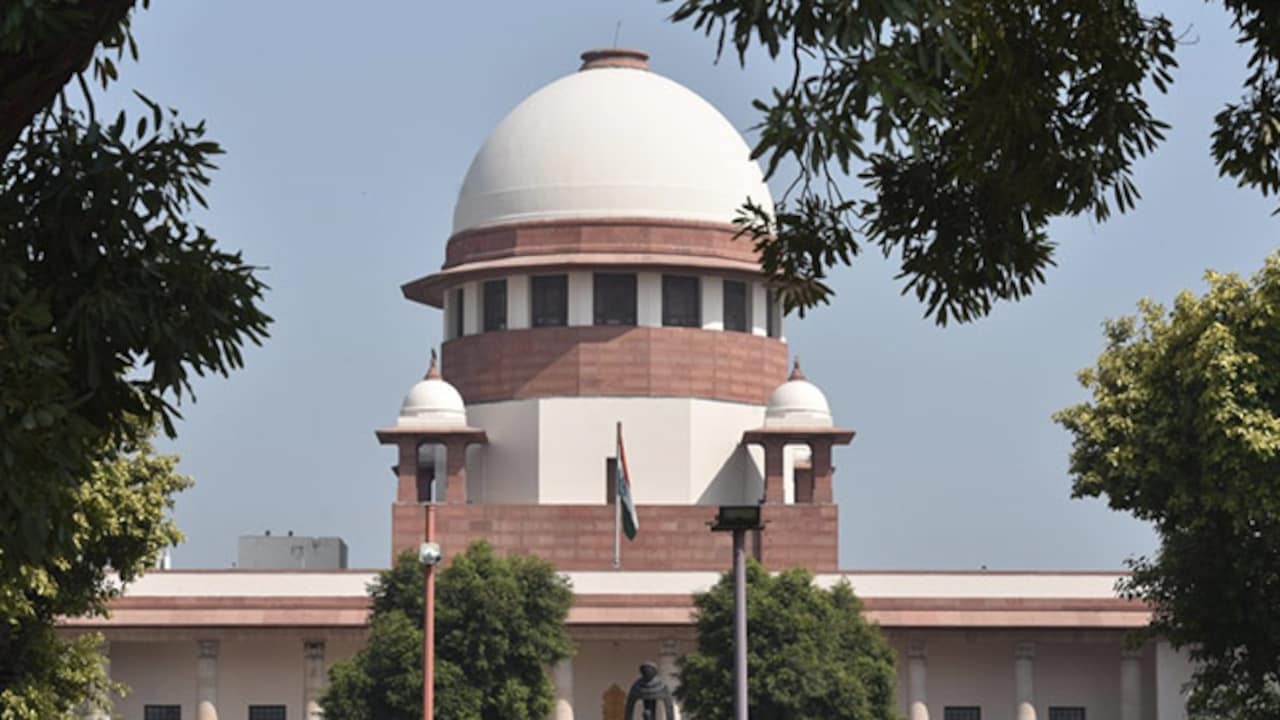
Amid the hearing in the Supreme Court on unprecedented security arrangements made by the Delhi Police over the planned protest by the Cockroach Janta Party, the Centre on Friday brought up alleged sexual harassment of a woman police personnel during the recent Congress agitation in the national capital.
"Two days ago, during a protest, a female policewoman was almost molested. We can show the videos. The protest was not permitted. Likewise, tomorrow's (CJP protest) protest is also not permitted," said Solicitor General Tushar Mehta, who was representing the Central government.
Mehta, making a case for the security arrangements including curbs on trains and Delhi Metro, alleged over 200 personnel had been injured during the CJP's protests in July in the national capital.
The remarks came a few days after three women journalists alleged they faced sexual harassment from police personnel, and three months after several CJP protesters made similar allegations.
CPI(M) General Secretary MA Baby approached the Supreme Court against the closure of 57 Delhi Metro stations and the cancellation of trains scheduled to reach New Delhi and Hazrat Nizamuddin on October 10, alleging the measures were arbitrary, disproportionate, and without legal authority.
Mehta argued that the CJP had sought permission to hold a protest in July and that permission was granted the same day. He said the organisers had also furnished a written undertaking agreeing to comply with the conditions imposed by the authorities. The permission was for a day, but the agitation continued for 17 days, he said.
Also read: 3 Women Journalists Allege Cops Sexually Harassed Them During Delhi Protest
He alleged several penal violations were recorded during the protests.
The Supreme Court told the Centre there can't be a complete prohibition on Metro and other train services. "You can't use a sledgehammer to kill a fly", it remarked.
"Young people, elderly all travel. Commuters have a right to basic facilities," the court told the Centre's lawyer, asking for the number of closed Metro stations to be brought down. "There is a distinction between restriction and complete closure," the court added.
The court suggested that the authorities strike a balance while imposing restrictions so that ordinary citizens are neither inconvenienced nor exposed to danger.
Also read: Can't Be Complete Prohibition On Delhi Metro, Trains: Top Court On CJP Protests
"We make it clear that no complete prohibition of movement of Metro should be imposed. The Solicitor General has fairly agreed to impress upon the authorities to reconsider the prohibition and allow Metro and other trains in such a regulated manner so that no inconvenience is caused to residents of Delhi, keeping in mind the principles of proportionality," the court added.
Nupur Prasad, the joint commissioner of police, reacting to the issue, said that when it comes to the safety and security of women, there shouldn't be a distinction between police personnel and civilians.
"We are part of society and are standing here for you, for your safety and security. Our women personnel were also there to ensure your protection. If they were misbehaved with, it is not just the police's responsibility to look into it; it is everyone's responsibility. Everyone should condemn the mindset that allows someone to behave this way with another person. Appropriate legal action is also being taken in the matter," she told IANS.
KioskNews shows a cleaned-up reading view extracted from the publisher’s page — the original always lives on their site, not ours.