Lower-ranked players feel mental, physical strain as long season nears end
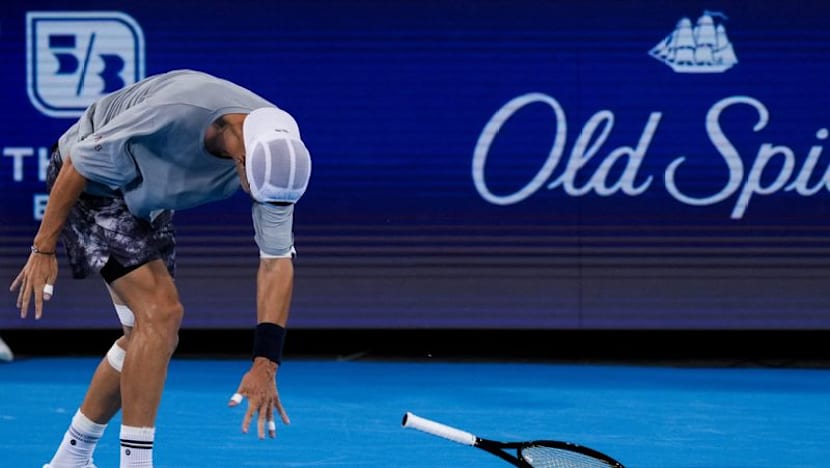
BENGALURU, Oct 27 : Frenchman Terence Atmane's admission that he has been struggling with his mental health after an outburst at this month's Shanghai Masters highlighted the pressures lower-ranked tennis players face as another demanding season draws to a close.
Atmane threw his racket towards the stands and narrowly missed striking fans in a qualifying match before apologising publicly for his conduct and detailing the stress of a sharp drop in his ranking to the edge of the top 100.
The closing weeks of a gruelling 11-month campaign can be particularly difficult for lower-ranked players, as fatigue and poor results collide with the pressure to compete for ranking points and prize money that could transform their prospects.
"I received a lot of hate, which is pretty normal because I deserve it. I've been behaving pretty badly," Atmane said at the Almaty Open last week, where a run to the quarter-finals helped him climb to number 90.
"I was struggling ... the season has been very long. I was struggling with my mental health, so it hasn't been easy, but I was trying to get a fresh start."
'DIFFICULT CYCLE'
Former player and sports psychologist Jeff Greenwald said a long season could leave players tired, mentally stale, negative or emotionally reactive, with those low down the ladder facing an especially tough psychological and financial equation.
"Unlike established players who may have a full team managing their schedules, travel, practice arrangements, and other logistics, lower-ranked players often have limited support," Greenwald told Reuters.
"The financial pressure can be enormous. They have limited resources and may feel they have only a certain window of time to make their investment in professional tennis pay off. Every event represents an opportunity to earn points, improve their ranking and potentially qualify for more lucrative ones.
"This creates a difficult cycle. A player may be exhausted, struggling with confidence, or experiencing signs of burnout yet feel compelled to enter another tournament because taking a break seems financially or professionally risky."
Atmane is not alone, with fellow Frenchman Giovanni Mpetshi Perricard speaking about depression and burnout and saying he travelled to North America after Wimbledon despite not feeling mentally ready to compete.
India's Sumit Nagal, ranked 269, also endured a challenging spell in which he played several tournaments this year while not fully fit, before shifting his focus towards enjoying the game rather than being driven by results.
On the women's tour, Germany's Eva Lys ended her season early to focus on her physical and mental health.
The ATP has proposed changes from 2028 that would reshape the men's calendar and rankings to reduce the incentive to overplay, with a $25 million year-end fund to boost financial support to players finishing inside the top 250.
While those plans could ease the demands on players, Greenwald said that recovery remained an undervalued part of the professional game and should be viewed as vital to sustaining performance through the season.
WINNING AND LOSING
He added the strain often extends beyond physical and mental fatigue, with a lengthy run of disappointing results potentially eroding confidence when a player's sense of self-belief becomes too closely linked to winning and losing.
"Tennis players can become very black-and-white in their thinking," Greenwald added. "They're either winning or losing, succeeding or failing.
"When losses accumulate, they can begin to question not only their game but themselves."
One way of protecting players' confidence is to shift the measure of success towards aspects of performance they can control.
"Rather than measuring success exclusively through wins, losses, rankings or prize money, we track their commitment to the game they're trying to develop," Greenwald added.
"This shifts their attention from outcomes they can't fully control to behaviours they can influence. It also allows them to build a more stable sense of confidence grounded in mastery and commitment rather than the outcome of their last match."
KioskNews shows a cleaned-up reading view extracted from the publisher’s page — the original always lives on their site, not ours.