UK considers Gordon Brown-style ‘off the books’ borrowing to fund defence
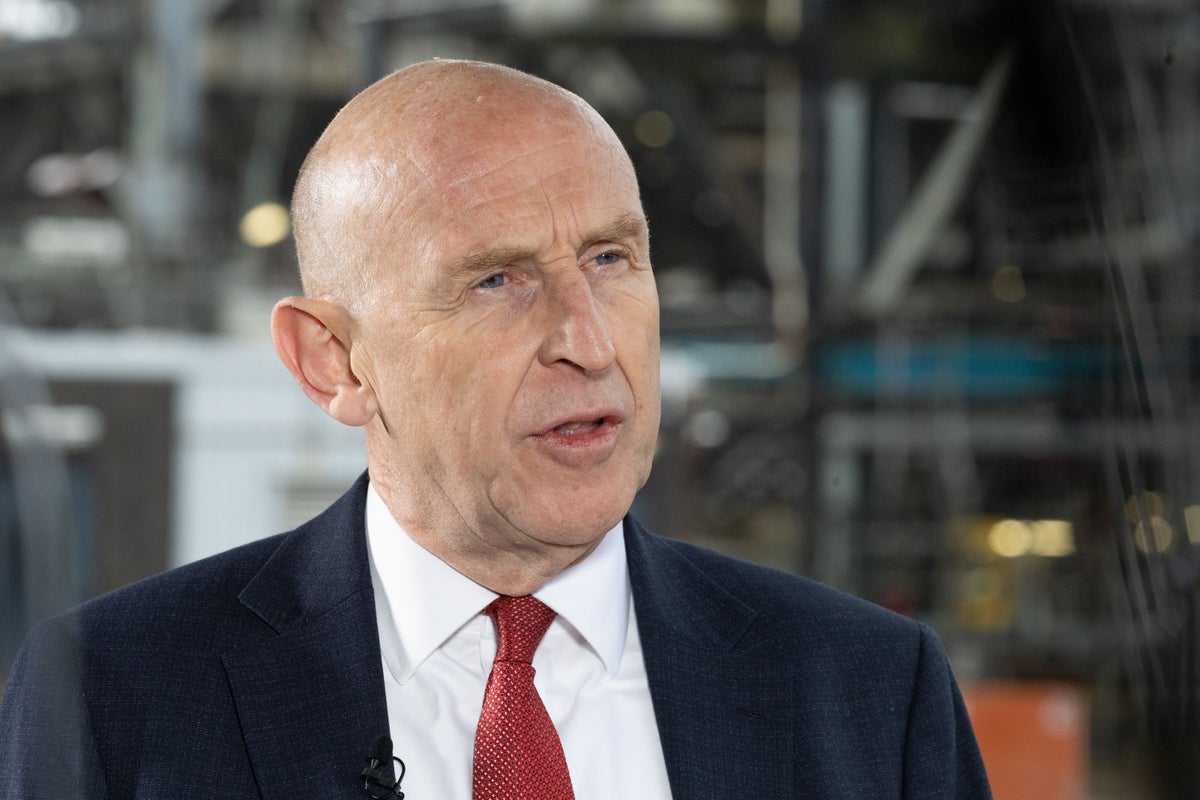
John Healey is understood to have revived a plan to boost defence spending by using off-the-books loans to get it up to 3 per cent of GDP.
The chancellor had been keen on the idea when he was defence secretary in Sir Keir Starmer’s government but is understood to have at the time clashed with his predecessor Rachel Reeves who was against the move because it still counted as debt.
But he is now looking at Public Finance Initiatives (PFI) which were used in the Tony Blair-Gordon Brown era to fund new hospital and school building projects, according to The Times.
It would mean taking the loans off the books and not counting it against UK debt.
It is also understood that Mr Healey is also considering defence bonds, another measure opposed by Ms Reeves, who when she was chancellor warned that such moves would break the government’s strict financial rules and add to debt and borrowing costs.
The proposals come amid question marks over how Labour plans to increase defence spending after Mr Healey put decisions back to the Spending Review next year.
The “off the books” borrowing would include setting up an international defence bank with allies, and allowing private companies to provide upfront funding for new kit, The Times reported.
Mr Healey alluded to these measures at the Budget, when he announced an “innovative defence financing taskforce” to investigate how to draw in cash from allies and the private sector.
Defence secretary Wes Streeting told Sky News that the private sector deals under consideration would be different from the Private Finance Initiative (PFI) contracts of the New Labour era, which have been criticised for their costly impact on the public purse.
He also suggested to Sky that other areas of public spending may face cuts to pay for the increased defence budget.
Mr Streeting said: “I recognise that other government departments, as well as taxpayers, are doing some heavy lifting to make sure we prioritise defence. That’s the right thing to do.
“To get to 3 per cent by 2030, we’re going to have to look at spending in the round, and so it’s right to do that at (the) spending review.
“But I think what the chancellor did at the Budget this week was to give industry, our allies, the same confidence that frankly I’ve had since day one and the assumption I’ve been planning towards, which is that we’ll be spending 3% of GDP on defence by 2030, on the way to hitting our Nato target.”
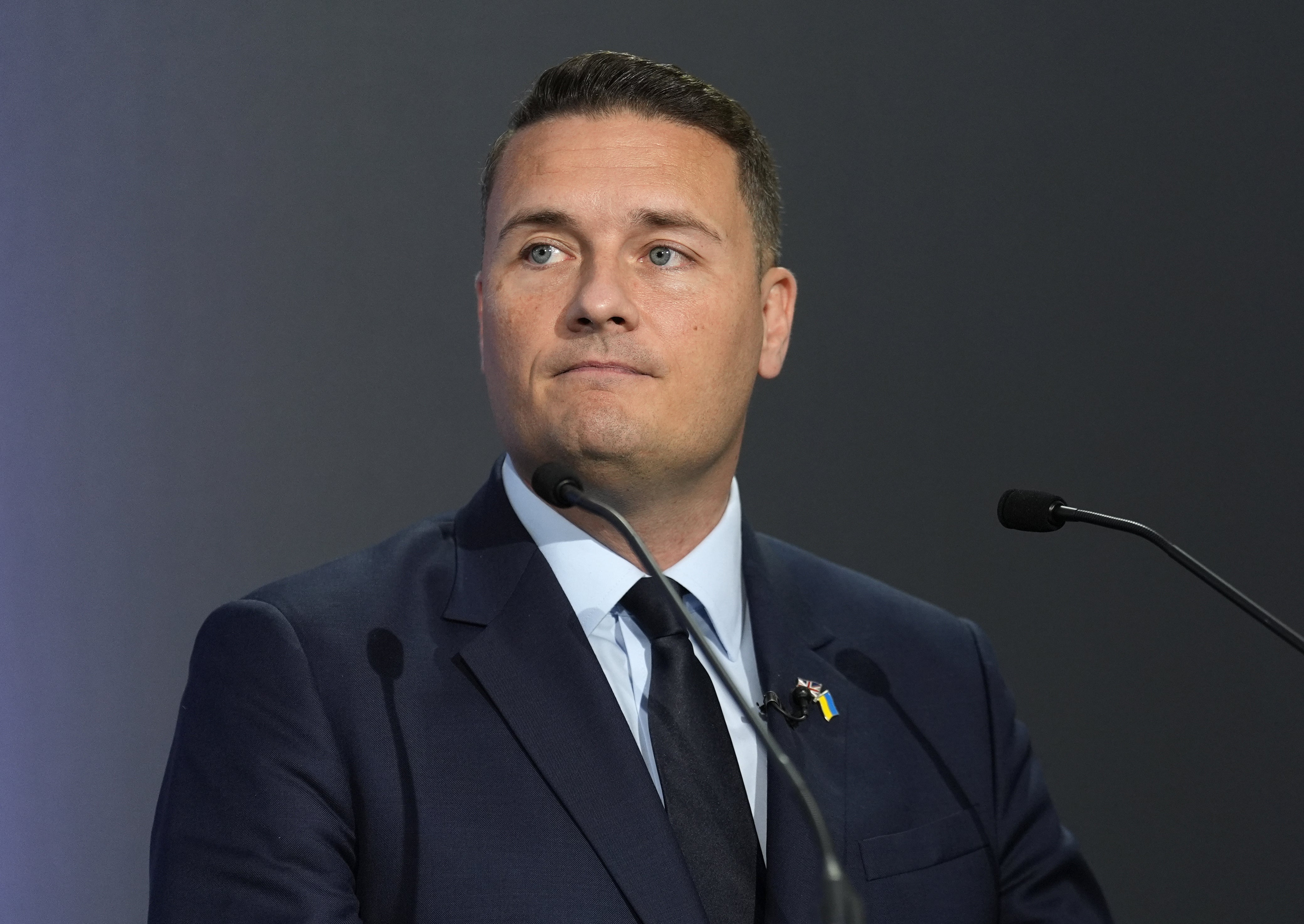
Mr Streeting also insisted the government is moving as fast as possible to hike defence funding, after criticism that the Budget did not do enough to map out the route to spending 3.5 per cent of the economy on the military in a decade’s time.
Mr Streeting also signalled other areas of government spending could face constraints as a means of filling defence coffers.
At the Budget on Wednesday, Mr Healey filled a £4.7bn black hole in the defence investment plan, a blueprint that raises Britain’s defence spending to 2.7 per cent of gross domestic product (GDP) by 2027.
He also committed to spending 3 per cent of GDP on defence by 2030, as a step towards meeting Britain’s commitment to Nato to spend 3.5 per cent by 2035.
But the chancellor said details of where this cash will come from will be left until the Spending Review, currently pencilled in for next autumn.
Mr Streeting defended against criticism from the chairman of the Commons defence committee, Tanmanjeet Singh Dhesi, that this is too long to wait for more detail.
He told BBC Breakfast: “I like Tan very much. He’s a friend, and I respect him. But I strongly disagree with him, and I don’t think the charge he makes of delaying or kicking the can down the road stacks up against the extra money that is already going into defence and the capability we’re funding right now.”
He pointed to warm words from Nato Secretary General Mark Rutte, and other senior military leaders, who welcomed the Budget’s commitments to defence.
Mr Streeting added: “I think we are doing as much as we can, as fast as we can. The biggest sustained increase in defence spending since the end of the Cold War.”
KioskNews shows a cleaned-up reading view extracted from the publisher’s page — the original always lives on their site, not ours.