Supporters of Imran Khan begin ‘long march’ to Islamabad
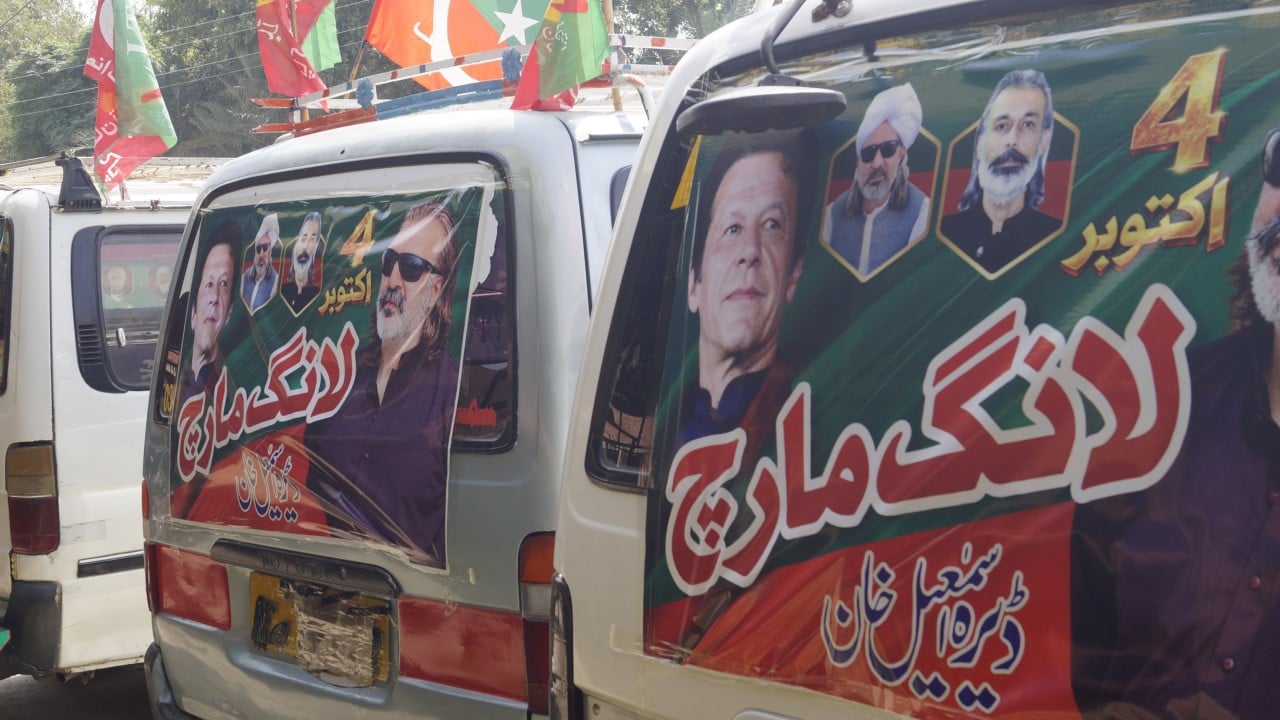
A march protesting against the imprisonment of former Pakistani prime minister Imran Khan kicked off in northwest Pakistan on Sunday after talks to avoid the demonstration stalled.
Authorities have been preparing for weeks for the possible arrival of demonstrators in Islamabad, with the march planned by supporters of Khan’s Pakistan Tehreek-e-Insaf (PTI) party originally slated for September 27 and then postponed until Sunday.
Videos posted on PTI’s official social media showed supporters coalescing in different areas in Khyber Pakhtunkhwa province, which is ruled by the party, and setting off in convoys as part of the “long march”.
Sohail Afridi, the chief minister for Khyber Pakhtunkhwa, said earlier on X that the demonstration in support of Khan would go ahead.
Discontent over Khan’s incarceration has mounted in recent months, particularly over the 73-year-old’s medical treatment and access to him by doctors and family.
PTI has also called for the release of Khan’s three sisters, whose arrests last month further heightened tensions.
Opposition politician Allama Raja Nasir Abbas said last-minute talks between the government and representatives from PTI were in “deadlock.”
Abbas told Geo TV, a popular private news channel, that negotiators had hit an impasse over demands that included access to Khan by his doctor.
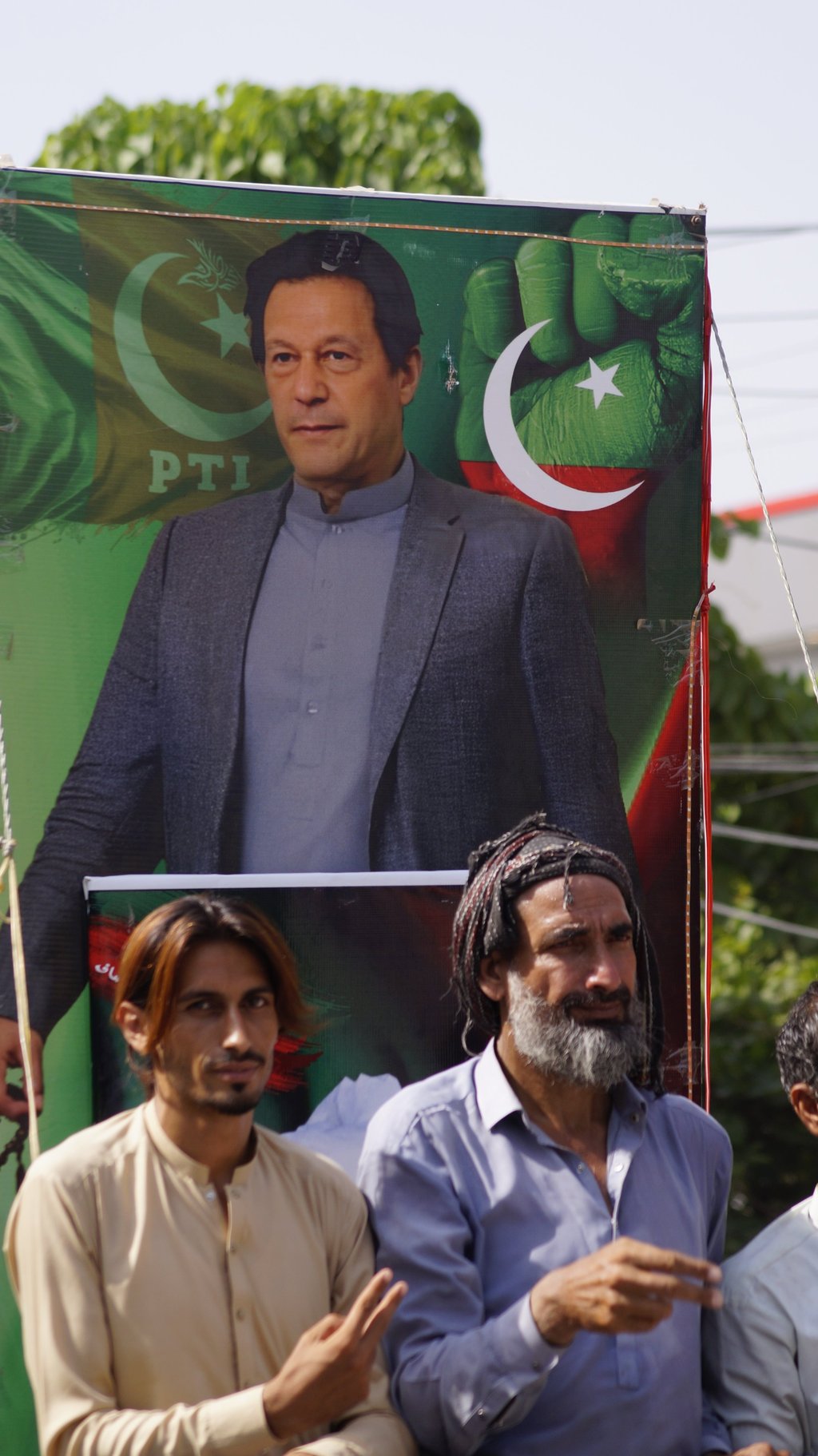
Khan, a hugely popular former cricket star, has been behind bars since August 2023 and faces scores of charges ranging from corruption to treason and inciting violence, following widespread anti-establishment riots in May 2023.
He and his legal team reject the allegations, branding them as politically motivated cases aimed at neutralising his popularity.
Tim Willasey-Wilsey, a geopolitics expert, said the protests were “fundamentally driven by economic factors,” with the Iran war impacting fuel prices in Pakistan and food prices rising on the back of the war in Ukraine.
“Day-to-day life has become a real struggle for ordinary Pakistanis in recent years,” said Willasey-Wilsey, who is with the UK-based Royal United Services Institute.
“Imran Khan is the focal point for all opposition to the government,” he added.
‘Popular support’
James Dorsey, a fellow at the National University of Singapore, said Khan was “essentially a populist leader” with “a genuine popular movement that had broad popular support”.
“That’s why I think you’ve seen the determination by the government to prevent [the protesters] from entering Islamabad,” Dorsey said.
Afridi, the chief minister, said the demonstration was to begin in Khyber Pakhtunkhwa province on Sunday and make its way to Khairabad, 80 kilometres (50 miles) west of Islamabad by Thursday.
“The army and police are very capable of defending Islamabad and the government is not under any immediate threat,” Willasey-Wilsey said.
“But the problems for Pakistan are piling up,” he added.
Dorsey said that with Pakistan’s security concerns, particularly following its unresolved February 2026 war with Afghanistan, Islamabad would look to avoid escalation in the face of the protests.
“It’s a problem for the government, but I don’t think it’s an existential threat,” he said.
Further phases of the plan would be announced in Khairabad, Afridi said, without specifying when demonstrators could arrive in the Pakistani capital.
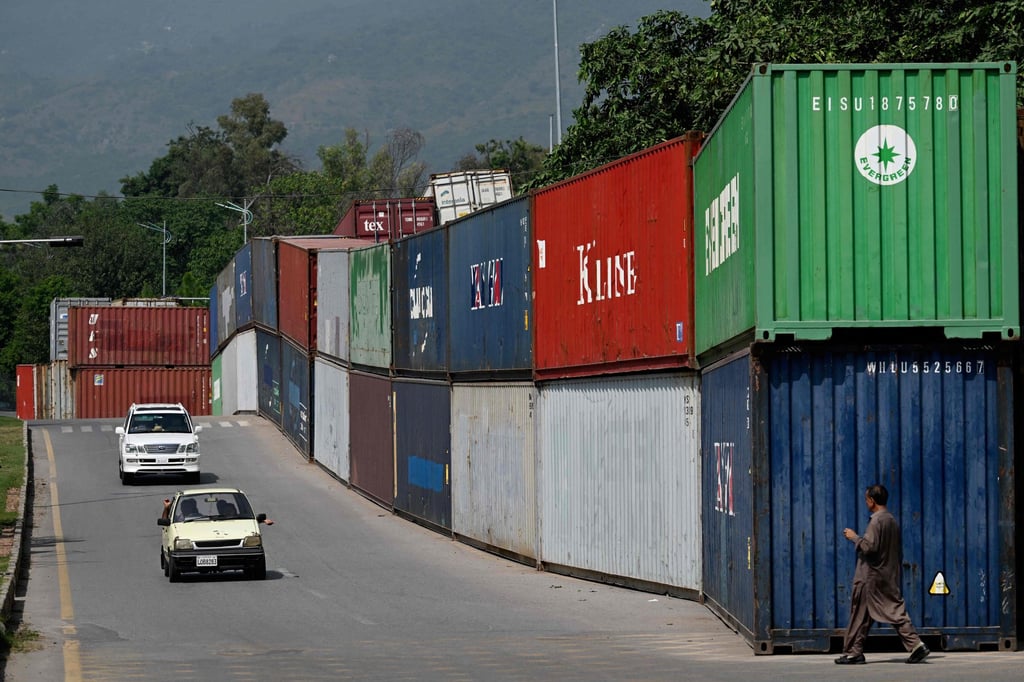
Authorities in Islamabad have blocked main access routes to the capital with double-stacked shipping containers in preparation for the protest, obstructing traffic and public transit.
The Supreme Court ruled in August that Khan should be moved to a civilian hospital for treatment, but authorities instead returned him to prison after a short stay at a government-run hospital.
KioskNews shows a cleaned-up reading view extracted from the publisher’s page — the original always lives on their site, not ours.