Analysis: Punjab Drug Menace May Prove To Be AAP's Achilles Heel
Punjab's drug menace has become the ruling Aam Aadmi Party's ultimate vulnerability. Not because its high-decibel anti-drug campaign, Yudh Nasheyan Virudh, had flaws, but because it set a deadline. A pledge to finish the drug trade in three to six months may have won AAP a historic mandate of 92 out of 117 seats in 2022, but the political cost the party is now paying is heavy. Taking on drugs by arresting peddlers, smugglers, and addicts without forming a policy has proved to be a treatment without proper diagnosis.
The promise initially worked for the Congress in 2017. The then state party chief, Captain Amarinder Singh, promised to finish the trade in four weeks, winning voters' trust. He formed the government but failed to achieve the target.
AAP sought three to six months and won, but the situation further aggravated, and the trade spread to remote villages. Public admission by Punjab Assembly Speaker Kultar Singh Sandhwan that his government failed to fulfil the promise to end drug use, and increased admissions at rehab centres, suggest that the deadline to finish the drug trade was set in a hurry while the war was still active.
AAP has now realised the problem was bigger than it estimated, and it can't set a fresh deadline. The party leaders blame ports and drones for the drugs entering the state, but people ask why the government failed to stop the supplies from entering Punjab.
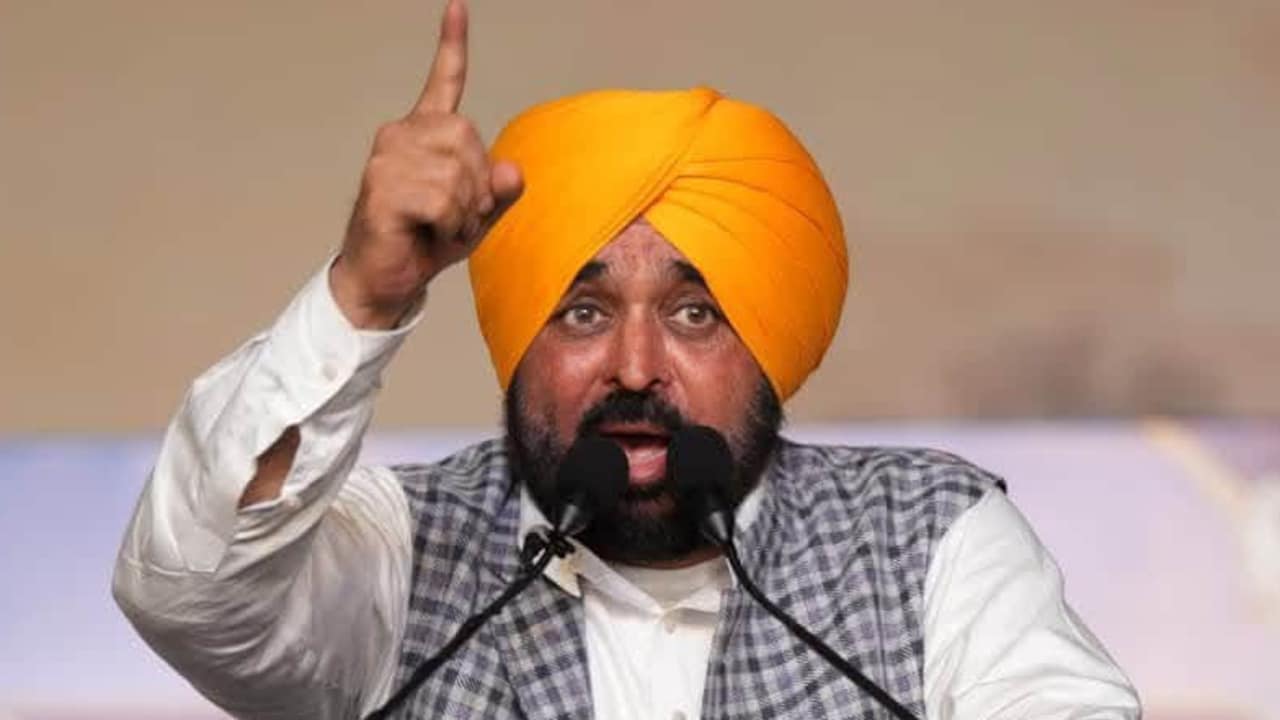
The question opponents and people ask is why and how Punjab was still getting the supplies. The ground reality speaks volumes about the failure to break the supplies, which have become AAP's biggest vulnerability ahead of the 2027 election.
Is the BJP walking in the footsteps that the Congress made in 2017 and AAP in 2022? Not really. BJP leaders, during the Nasha Mukt Punjab Yatra, are seeking an extended deadline of two years, as it is now clear that giving a short deadline won't work. AAP promised to finish it in four months and couldn't finish it in four years.
A senior BJP leader, requesting anonymity, said the party is taking every step cautiously and its campaign is moving in the right direction. The party's anti-drug campaign aims at exposing AAP's failure to meet the deadline.
The BJP has promised direct enforcement and supply disruption, striking directly at drug traffickers, dismantling inter-state and international supply routes, asset seizures, and the medical and psychological rehabilitation of addicts. The party plans to initiate a public-driven social movement by actively involving local citizens rather than relying solely on compromised local policing channels.
The BJP aims to convert AAP's unmet promise into a campaign asset.
Drug Smuggling Gangs Target Whistleblowers And Cops
Yudh Nasheyan Virudh campaign offers incentives for whistleblowers and the formation of village committees. However, it has not ensured their safety.
There were instances where whistleblowers, in connivance with corrupt officials, were threatened, intimidated, and forced to compromise. The security apparatus to protect them was missing.
Across Punjab's villages, a lack of trust in local police stations has sparked an organic, dangerous trend: Village Defence Committees. Nearly 15,000 citizen-led ward committees have formed to manually guard village entry points against suspected peddlers. However, this parallel system has led to rising local friction, with civilian committees frequently accusing ruling party panchayat leaders of offering political protection to smugglers.
Citizens who expose local drug sales in Punjab say they are being threatened, beaten, and driven to despair. Two Sangrur cases this month have turned informant safety into a political fight over whether the state's anti-drug drive protects complainants or leaves them to peddlers and village power.
On September 21, Jagseer Singh, or Jagga, 30, of Namol allegedly swallowed poison outside the Sangrur DC office. He had posted footage showing chitta being sold near his house. He alleged that sarpanch Sukhwinder Singh "Sukhi" Punia forced him to delete it, smashed CCTV gear, and assaulted his family. Police have booked the sarpanch and seven others. Cops, however, say that Jagseer himself faced nine earlier cases, with convictions under the NDPS Act. AAP called him an addict. The question is: why can't a convict who completed his sentence be a whistleblower?
Days earlier in Tur Banjara, labourer Gulzar Singh, 47, asked Finance Minister Harpal Singh Cheema why heroin was as easy to get as buying salt. His relatives say he was pressed to apologise. He consumed pesticide and died at DMCH Ludhiana.
Police booked the sarpanch and four others for abetment to suicide and under the SC/ST Act. Cheema is not named. An SIT is probing the case.
Also read: Punjab Police Debunks 'No Uniform' Advisory After Opposition Backlash
The pattern is older. In August 2025, Ludhiana trader Deepak Kumar used the chief minister's anti-drug helpline; men later struck at his gate and flashed a gun on CCTV. In April 2026, Abohar activist Dara Grover was beaten with bricks after speaking against trafficking; residents protested until police arrested one accused and raided the area.
Punjab's drug cartels are engaging in increasingly confrontational tactics, creating severe security challenges during rural patrols. Elevated risks for officers during vehicle interceptions and border operations have been reported.
Also read: AAP Goes Door-To-Door With Punjab Report Card After BJP's Anti-Drug Yatra
The gangs involved in drug peddling and smuggling have become so powerful that they have been involved in the targeted killing of Punjab police officials. At least three ASI-rank officials and one home guard have allegedly been killed by drug smugglers.
They are ASI Harjeet Singh and ASI Joga Singh, both from Amritsar, and ASI Gurnam Singh and Home Guard Ashok Kumar from Gurdaspur.
Opposition Congress suspects that the senior police officials posted at the highly sensitive border zones were also responsible for the failure of the anti-drug campaign. Former Punjab home minister and Congress MP Sukhjinder Singh Randhawa accused senior Punjab officials of being hand in glove with drug smugglers. He cited FBI findings that dreaded gangsters were carrying out extortion in connivance with corrupt cops.
KioskNews shows a cleaned-up reading view extracted from the publisher’s page — the original always lives on their site, not ours.