ADB raises Malaysia’s 2026, 2027 growth forecasts to 4.9pc, 4.7pc
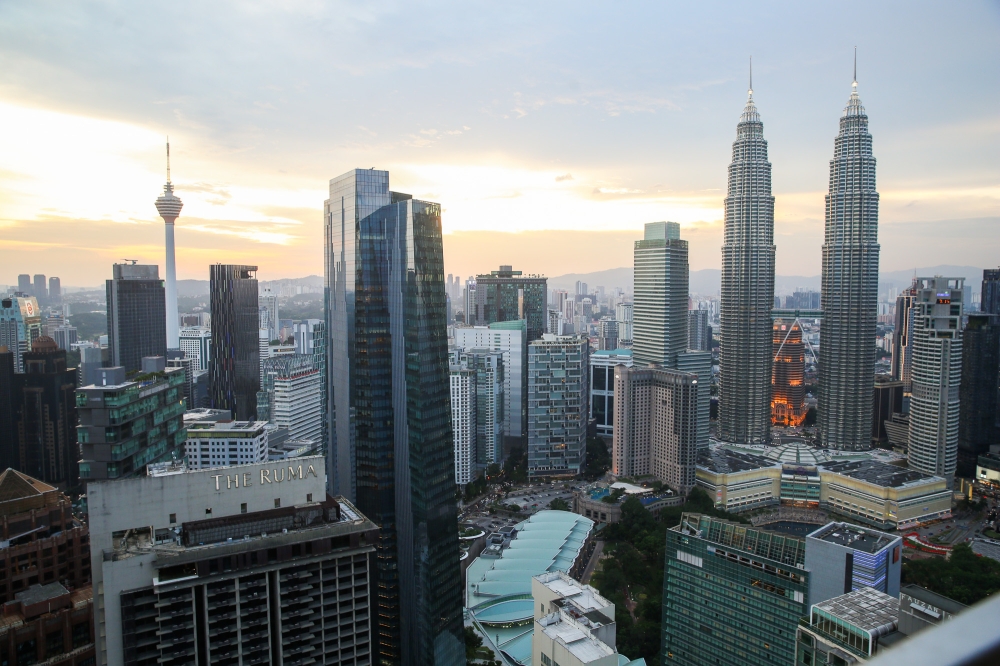

In its September 2026 report, ADB said Malaysia’s growth is expected to moderate slightly in the second half of 2026 (2H 2026) and in 2027. — Picture by Choo Choy May
First Published: Wednesday, 23 Sep 2026 7:56 PM MYT
KUALA LUMPUR, Sept 23 — The Asian Development Bank (ADB) has raised its 2026 and 2027 economic growth forecasts for Malaysia to 4.9 per cent and 4.7 per cent, respectively.
This is supported by the semiconductor upcycle, while data centre investments reinforce consumption and construction. The latest forecasts are higher than the 4.6 per cent forecast for 2026 and 4.5 per cent for 2027 in the Asian Development Outlook (ADO) July 2026 report.
In its September 2026 report, ADB said Malaysia’s growth is expected to moderate slightly in the second half of 2026 (2H 2026) and in 2027.
“The West Asia conflict disrupted supply chains and elevated international prices, which can impact domestic costs, thus constraining household consumption and business activity. The uncertain external environment will continue to weigh on growth. Growth in 2027 will likely slow further from El Nino‑related disruptions to local output and continued pressures on food and energy costs,” it said.
Malaysia’s inflation will likely remain at 2.0 per cent through the rest of 2026 and for 2027, according to ADO.
Domestic spending will likely remain resilient, but heightened downside pressures may limit labour and consumption growth, it said. Labour market prospects should be bolstered by tourism in 2H 2026, alongside Visit Malaysia 2026 initiatives and the upcoming Formula One event in Sepang.
“Continuing fuel subsidies and cash transfers to low-income households will support household spending. However, persistently high prices could limit household spending and restrain consumption growth,” it added.
In addition, construction and investment should remain robust, supported by a second data center boom expected in 2H 2026 as hyperscalers begin megacampus developments in Springhill, Serendah, and Johor.
The sector will be further supported by major public infrastructure projects such as the Penang light rail transit and Kerian water project in Perak rollout in the coming months.
The report said manufacturing and external trade will likely be bolstered by further developments and use of artificial intelligence (AI), and growth will likely remain strong, with global semiconductor sales projected to climb to US$1.5 trillion (RM6.1 trillion) in 2026, up from US$795.6 billion in 2025. — Bernama
KioskNews shows a cleaned-up reading view extracted from the publisher’s page — the original always lives on their site, not ours.