Helsing enters market for battlefield software built on combat data
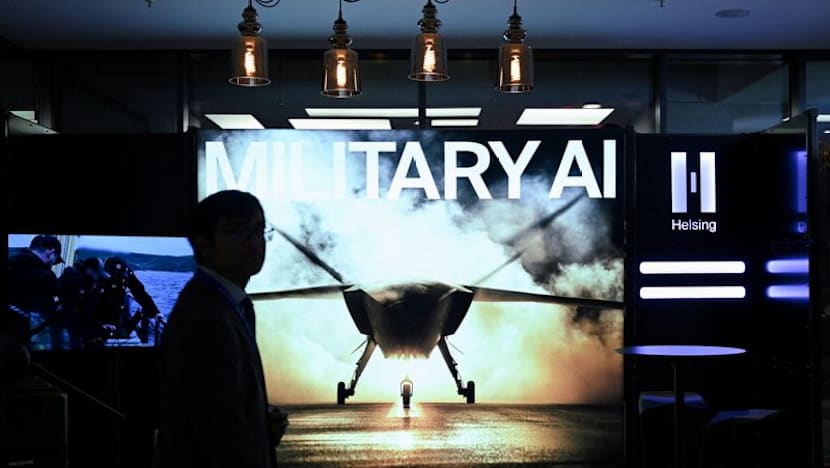
BERLIN, Nov 11 : German defence technology company Helsing on Wednesday launched software designed to help militaries make sense of the flood of battlefield information generated by modern warfare, entering a market led by Palantir.
Called Clarity, the software is designed to sift through information from drones, satellites, military reports and open-source intelligence, helping users identify military assets and determine how they should be engaged, Helsing said.
Human operators remain responsible for approving any strike.
The launch comes as militaries absorb lessons from Ukraine, where drones have transformed the amount of information available to commanders. The flood of data can overwhelm staff, increasing the risk of missed targets, delayed responses and misallocated resources if information is not processed quickly enough.
Ukraine has built systems such as DELTA to collect and distribute data, while Palantir's Maven helps military users analyse it.
European governments increasingly want greater control over military software and the data behind it, while reducing their dependence on individual suppliers.
But the most established systems have a head start. Palantir's Maven sits inside Pentagon and NATO workflows and has been refined through years of operational use.
Helsing, which has supplied drones and other systems to Ukraine, is among a small group of European defence technology firms able to argue it has gained access to operational experience from the conflict.
The company said Clarity was built around hundreds of specialised agents trained on military data and that it could identify military positions, cross-check information from multiple sources, establish confidence levels and recommend responses while showing users the evidence underpinning its conclusions.
"We are entering an era where success on the battlefield will depend on how effectively armed forces can transform information into action," Helsing co-CEO Gundbert Scherf said.
"It is therefore important to connect what is seen to what is struck."
Helsing did not disclose whether Clarity was already being used by military customers or when it expected it to enter service.
Germany's armed forces have previously said they aim to begin introducing AI-enabled systems from next year.
KioskNews shows a cleaned-up reading view extracted from the publisher’s page — the original always lives on their site, not ours.