Tackling London’s illegal sex industry – where women are abused for as little as £7
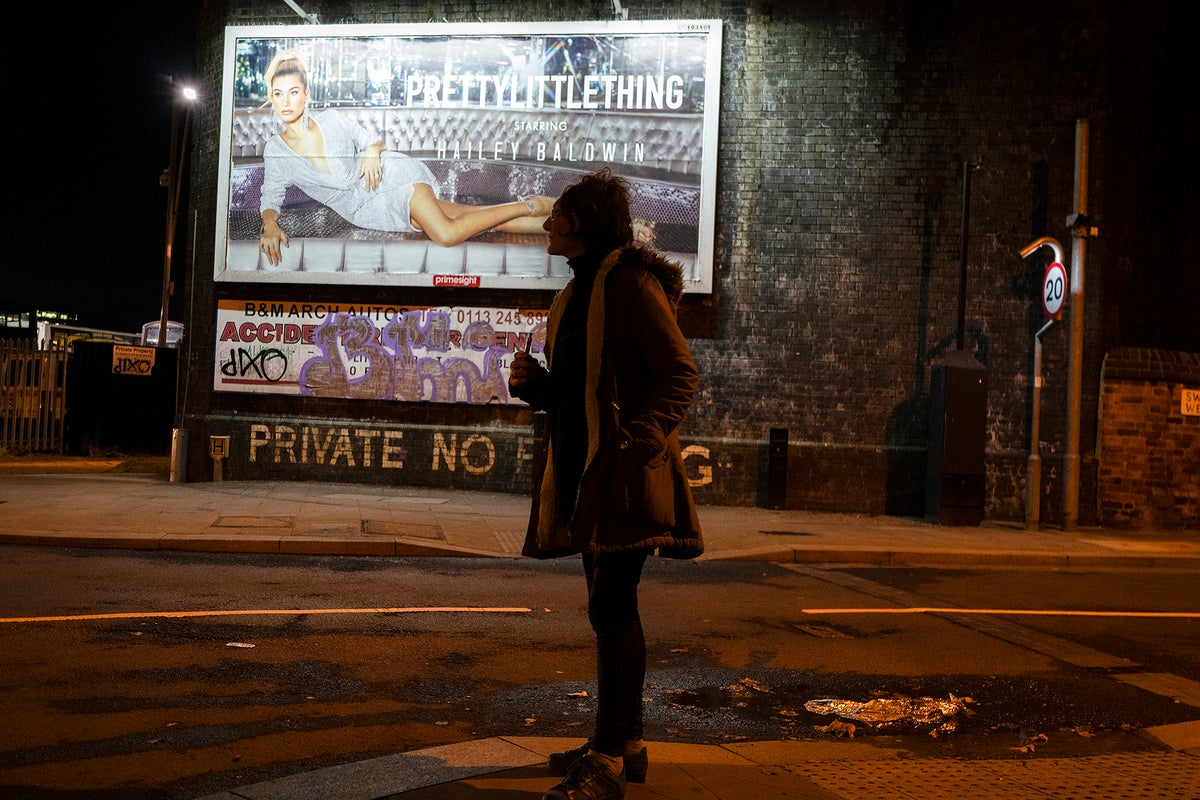
Aged just 13, Louisa* was trafficked to the UK. Nearly 30 years later, she is one of many women trapped inside “vicious cycles” of abuse that keep her working on the streets as a means of survival.
Another woman, now in her 70s, has been working the streets for over four decades. And there are others who are hooked on fizzy sweets due to a crack cocaine addition. Isabelle*, who has lost all her teeth, is one of those. She drinks a hot chocolate with 18 sugars when she suffers from withdrawals.
These women work on Langhedge Lane and in surrounding alleys – by day, home to blocks of flats, an industrial estate and a small primary school, but at night associated with London’s illegal sex industry, where men pay women as little as £7 to take part in the “most extreme end of violence against women and girls”.
It is one of the many hotspots in Edmonton and Haringey that is the focus of Operation Amicus, the Met Police’s initiative to target sexual predators and protect vulnerable women involved in street-based sex work.
The three-officer female team that lead the operation are part of a pilot scheme to engage with sex workers and to improve their trust in the police, with the hope it will encourage them to report crimes committed against them. In order to do so, they spend their nights driving around the area in plain clothes and unmarked vehicles – attending hospitals with those who have overdosed, gathering intelligence on men who use their services and supporting women through the justice system.

While sex work is legal in England and Wales, related activities like soliciting for clients in public places, brothel keeping, pimping and advertising sexual services are all illegal.
However, the police’s handling of such cases has come under scrutiny in recent years, with the Met Police, the British Transport Police and the Crown Prosecution Service all admitting failings in August after serial sex offender Simon Levy was left free to murder two women and rape a third.
The three officers leading Operation Amicus, who The Independent is not naming, said many of these women are afraid to report rape and serious sexual abuse, but that the scheme has shown signs of working.
They are aware of 95 sex workers operating in the area and have regular contact with 40 of those women, which includes arranging emergency accommodation, guiding them towards partnerships for health support and providing them with clothing and mobile phones.
“Being a female on the floor, it’s easier to engage with them,” one officer said. “If you speak to the females and you say you’re police, it doesn’t work. If you stick a uniform in front of them, it doesn’t work. If you give them the same face, not in uniform, and they know that same person is going to attend each time, they will be more open to talking.”
All of the women have heartbreaking stories.
Many are struggling with £200-a-day drug habits, while others are trapped in abusive relationships. The majority are homeless and suffering from previous trauma.
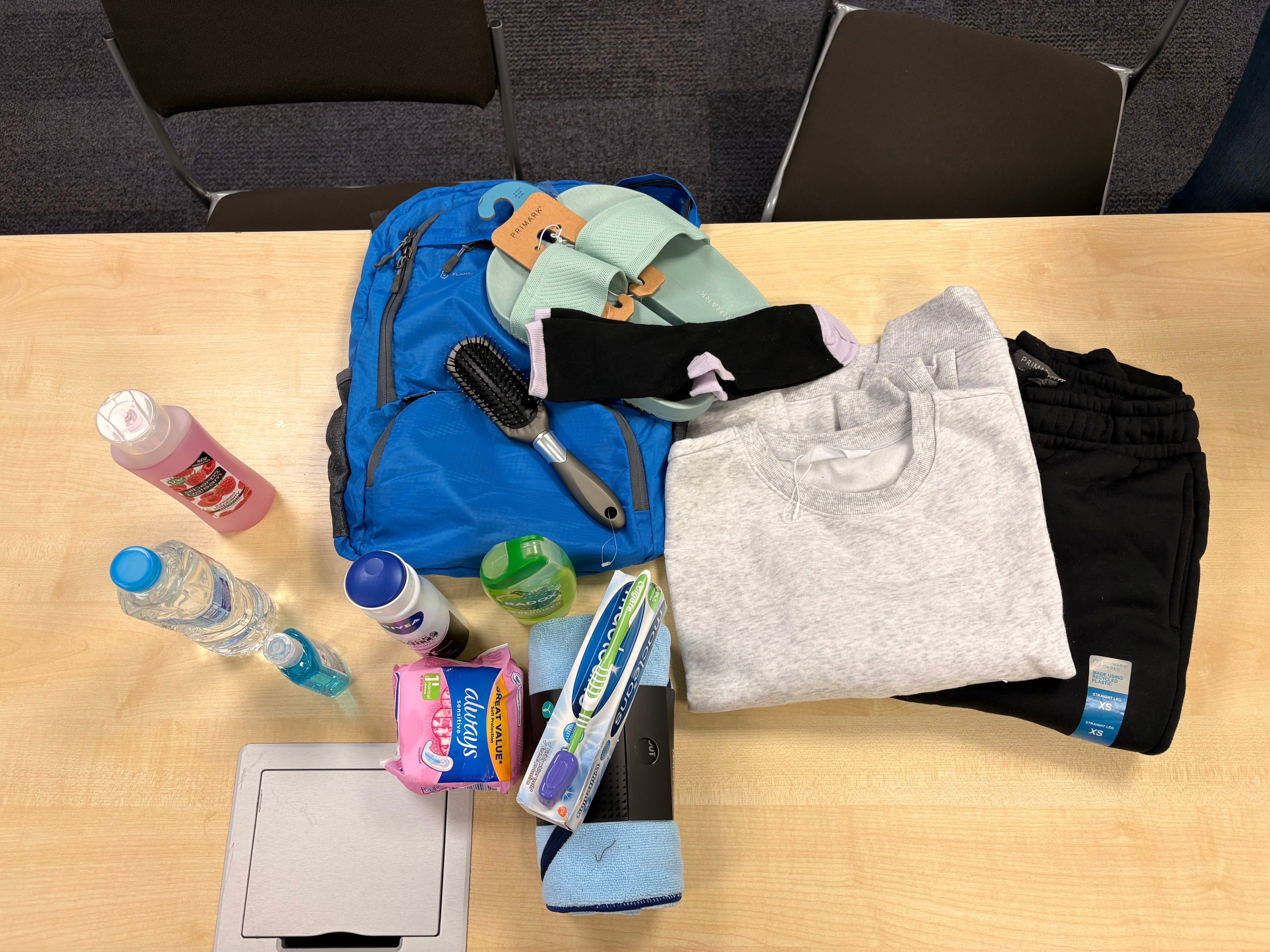
When offered a jumper, one woman said she had returned to the streets after being recently released from prison. She had been offered housing, but this would have involved being placed in the same proximity as her ex-boyfriend – leaving her with no other options but to sleep on the street.
Others have contracted sexual diseases such as syphilis, hepatitis A and HIV through this line of work, but often go without medication as they are not registered to GPs, are constantly on the move and fail to attend medical appointments due to unstable lifestyles.
Operation Amicus has partnered with 11 different organisations spanning policing, healthcare and specialist support services to try and support each woman. Many have resorted to petty theft in order to feed themselves or to avoid street based sex work, with the Met Police working alongside other agencies such as the CPS to recommend rehabilitation programmes rather than criminal penalties.
“Because of the amount of violence the females do receive, they then turn to petty crime as it’s a quick and easy win,” an officer said. “We have to manage that fairly by making sure we can either get them into a partnership to avoid that. They will often steal. One of the females stated to us when we took her to court the other week ‘I’m fed up of being raped now, I’ve turned to theft’. What can you say to that?”
Since being launched in January, the force have started to see positive results. More women are now reporting rapes, while others have shown more interest in engaging with services.
One woman, who was struggling with a drug addiction and was unable to live freely in her accommodation as a result of cuckooing – where gangs or individuals take over a vulnerable person's home to conduct illegal activities – has recently agreed to enter a rehabilitation programme.
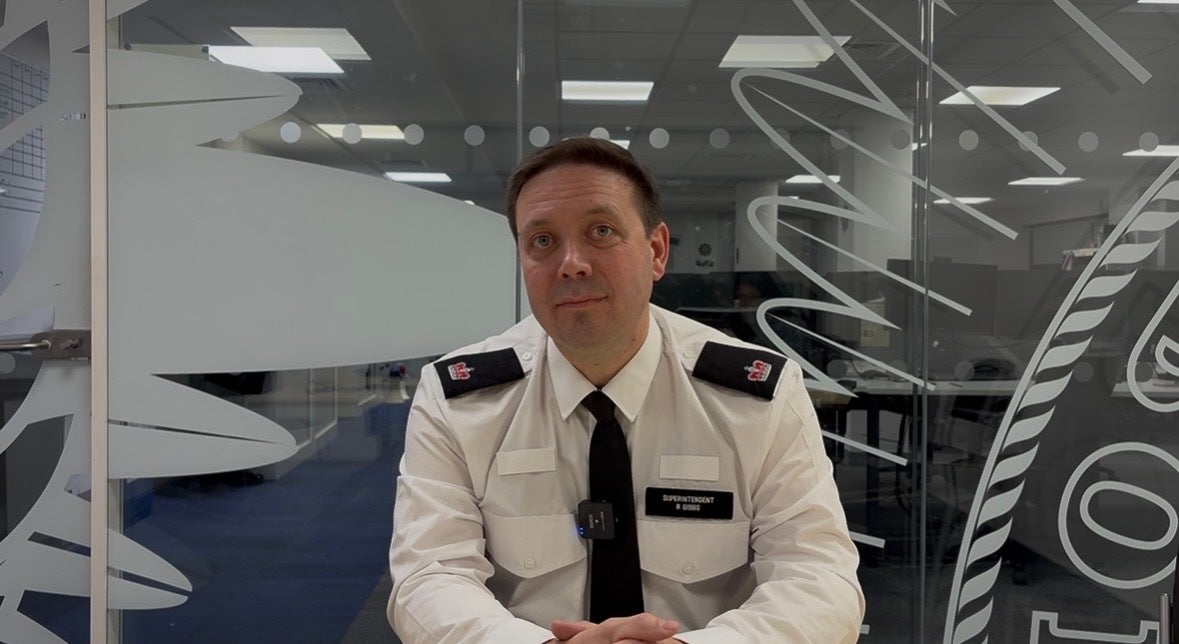
Superintendent Rob Gibbs, who leads the initiative in Edmonton and Haringey, said: “Women in this area can be seen as the problem and participating in anti-social behaviour, and not seen as victims of violence against women and girls. These are the women and girls at the harshest end of that.
“The level of exploitation is huge here. They are trying to avoid homelessness, they are navigating serious violence and/or rape quite regularly. We need to look at perpetrators and those who are controlling or coercing them.
“There’s a number of issues that might bring someone to this point - domestic violence, sexual violence, human trafficking and it is often linked with drug and alcohol dependency - that is often the lever for people to exploit them.
“What we are looking to do is reduce the harm enough so that we are protecting the next generation of girls.”
KioskNews shows a cleaned-up reading view extracted from the publisher’s page — the original always lives on their site, not ours.