Before his iconic roles Christopher Lee served in British intelligence during WWII
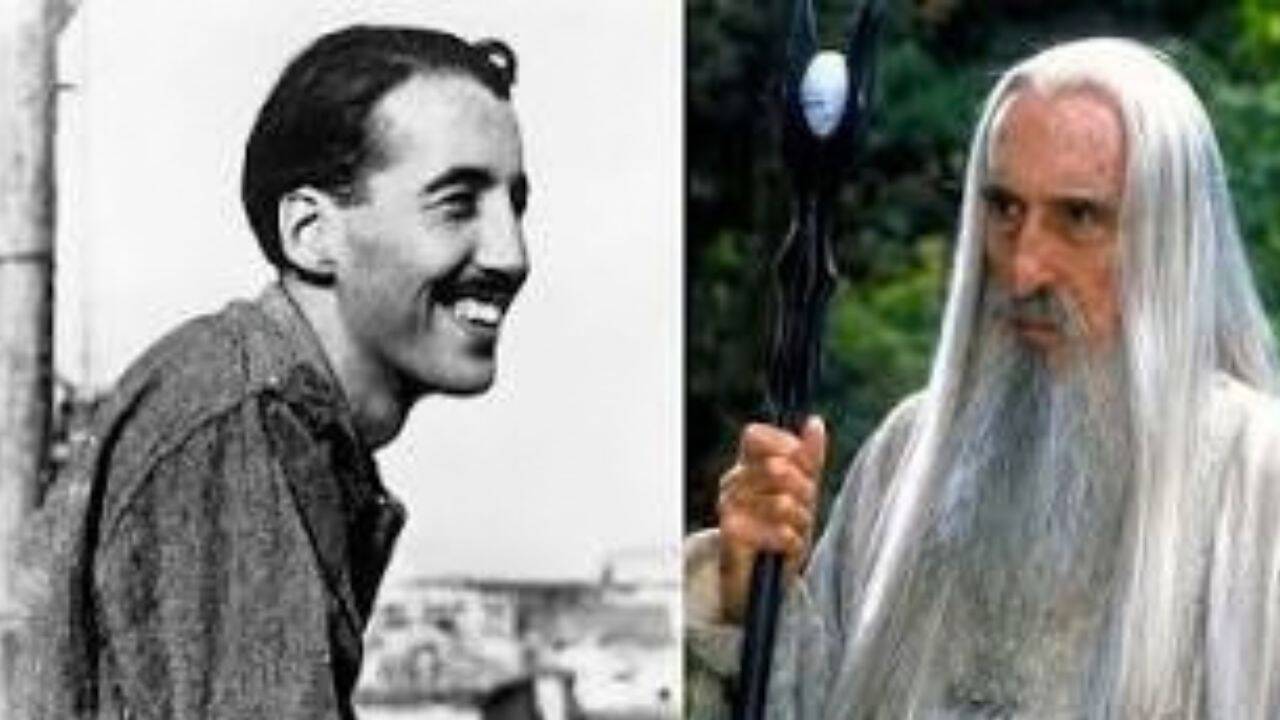
Long before Christopher Lee became one of cinema’s most recognisable villains, playing characters such as Count Dracula, Saruman in ‘The Lord of the Rings’ and Count Dooku in ‘Star Wars’, he had already lived a remarkable life away from the screen.
During World War II, Lee served with the Royal Air Force and worked in military intelligence.Lee joined the RAF in 1941 but was unable to become a pilot after doctors discovered that a problem with his optic nerve prevented him from flying. He was subsequently assigned to No. 260 Squadron as an intelligence officer and eventually rose to the rank of Flight Lieutenant.His wartime work later brought him into contact with Britain’s Special Operations Executive (SOE), the organisation created in 1940 to support resistance movements and carry out sabotage and subversion in enemy-occupied territory.
Lee was attached to the SOE during the war, although accounts of his service stress that he was not formally a member of the organisation.Lee was also associated with special-forces operations during the conflict. Over the years, stories about his wartime career sometimes became exaggerated, with reports claiming that he had served directly in organisations such as the SAS and the Long Range Desert Group. However, later accounts clarified that he was attached to these units in an intelligence or liaison capacity rather than serving as a regular member.
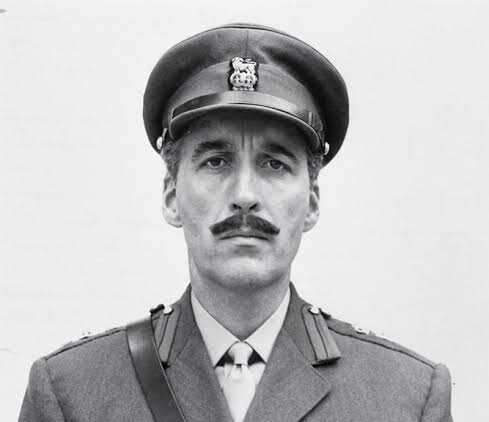
His wartime experiences were among the most extraordinary chapters of his life. Near the end of the war, Lee served with the Central Registry of War Criminals and Security Suspects. He later recalled visiting concentration camps that had recently been liberated, describing the experience as something that stayed with him for the rest of his life.When the war ended, Lee was still in his early twenties. He eventually turned towards acting, signing with the Rank Organisation and beginning a career that would span almost seven decades.
His breakthrough came with Hammer Film Productions, where he became internationally famous for playing Dracula. He later introduced himself to new generations of audiences through major franchises including ‘The Lord of the Rings’ and ‘Star Wars’.Lee passed away in 2015 at the age of 93, leaving behind a film career that made him a Hollywood legend. Yet decades before he became a familiar face on the big screen, his life had already included military service, intelligence work and experiences during one of the most turbulent periods of the 20th century.
KioskNews shows a cleaned-up reading view extracted from the publisher’s page — the original always lives on their site, not ours.