Largest emissions spike in decade further sets back climate goals in Toronto area
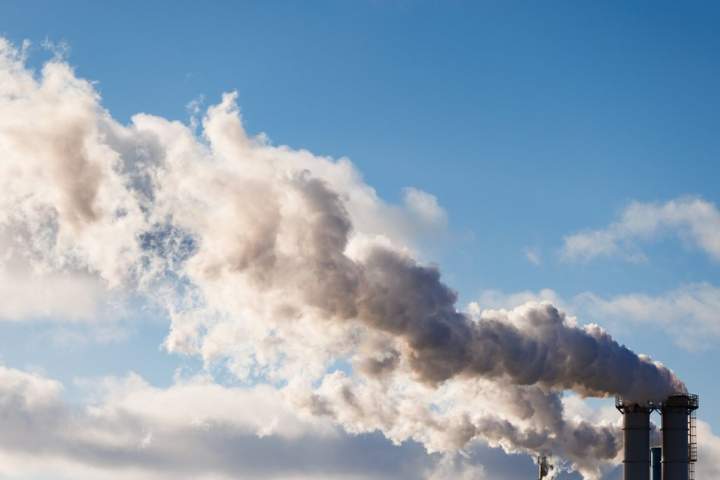
A more polluting energy grid and rising demand for gas heating during a colder winter drove the largest annual spike in planet-warming emissions in at least a decade across the Greater Toronto and Hamilton Area, a new report found, putting the region further off track to its climate goals.

The findings paint a bleak picture of the region’s trajectory. Emissions rose for a fifth straight year and increased by eight per cent from 2024 to 2025, the biggest annual jump since tracking began in 2015, said the report from The Atmospheric Fund, a regional climate agency.
The GTHA, responsible for a major share of Ontario’s emissions, now faces a steep climb to meet local climate commitments. If Toronto’s 2030 target were used as a regional benchmark, emissions would need to be slashed by about 16 per cent each year.
“This increase really brings us way off track from reaching any of the climate targets we’ve set out and really highlights the urgent need to take strong action to bend the curve and bring emissions back onto a downward trajectory,” said Bryan Purcell, the agency’s vice president of policy and programs.
Story continues below advertisement
The report released Tuesday offers some bright spots: Toronto recently removed local barriers to installing heat pumps and electric vehicle chargers; Ontario procured a record amount of battery storage this year, beating out gas on cost; and the federal government recently announced a $2-billion investment in building retrofits, including rebates for heat pumps.
But the report says government policy rollbacks are threatening to overshadow that progress as climate change fuels more intense wildfires, flooding and extreme heat.
The findings, Purcell said, challenge a common political argument that climate action must take a back seat to affordability concerns. Many of the measures needed to cut emissions, such as building retrofits, switching to heat pumps and improving public transit, will also help alleviate those pocketbook pressures, he said.

Get daily National news
Get daily Canada news delivered to your inbox so you'll never miss the day's top stories.
“We know what works, we have the technology, and it’s really about the political will to put policies and programs in place to consistently move emissions downward. And that’s really the missing ingredient right now,” Purcell said.
Buildings, which account for nearly half of the region’s emissions, were among the biggest drivers of the annual increase. Building-sector emissions — mostly from burning gas for heat and, to a smaller extent, from electricity — rose by 15 per cent annually.
Electricity-related building emissions were up 26 per cent, due to what the report says is the province’s increasingly carbon-intensive grid. Nearly a fifth of Ontario’s electricity was generated by fossil fuels last year, the most since the coal phaseout, as the province turns to gas to help fill the gap left by nuclear reactors turned off-line for refurbishment.
Story continues below advertisement
Heating-related emissions were up by 14 per cent over the previous year, largely due to the colder winter, the report found. But even when researchers adjusted for weather, those emissions were still up three per cent, pointing to what the report suggests is an underlying problem with the region’s aging, inefficient housing stock.
Those emissions are increasing at a time when municipalities have lost a key tool to bring them down. Premier Doug Ford’s government has blocked Toronto and other municipalities from enforcing green building standards, siding with some developers who argued the requirements added costs and complexity to construction.
The change set Toronto back “about 10 years in terms of the efficiency and technology going into new buildings,” Purcell said.
With limits on what cities can require of new construction, Purcell said there’s still headway to be made with existing homes and businesses. He pointed to Toronto’s proposed building emissions performance standards as one of the most significant local climate policies under consideration in the region.
“Existing buildings are the largest source of emissions for most of our cities. And we really need policy tools that will help to control and reverse that growth over time,” he said.
Transportation, the next-largest source after buildings, saw emissions increase by between one and three per cent across most of the region. Most of that was driven by increasing number of cars on the road and an ongoing preference for larger vehicles that tend to be less fuel efficient, Purcell said.
Story continues below advertisement
The number of registered battery-electric and plug-in hybrid vehicles continued to rise but Purcell said policy uncertainty had created new headwinds. Ottawa cancelled an EV sales mandate earlier this year and its promise to enhance tailpipe emissions regulations to help offset the environmental blow has yet to materialize. Municipal support for charging networks could help give car buyers more confidence to make the switch, he said.
While investments in public transit expansion were promising, Purcell said cities needed to place a focus on day-to-day service improvements to encourage some residents to switch toA more polluting energy grid and rising demand for gas heating during a colder winter drove the largest annual spike in planet-warming emissions in at least a decade across the Greater Toronto and Hamilton Area, a new report found, putting the region further off track to its climate goals. buses and trains. Ridership across the region was down by about 1.5 per cent annually, and remains well below pre-pandemic levels.
“It’s those basic nuts and bolts issues that drive ridership growth more than the mega projects,” he said.
Industrial emitters, mostly steel and cement manufacturers, showed no signs of progress as the decarbonization plans “stalled,” the report said. It comes as Ford is pressuring the federal government to abandon the industrial carbon price as part of an effort to keep automaker Stellantis from selling its idled Brampton plant.
KioskNews shows a cleaned-up reading view extracted from the publisher’s page — the original always lives on their site, not ours.