The illusion of truth: Why the press is wrong about settlers - opinion
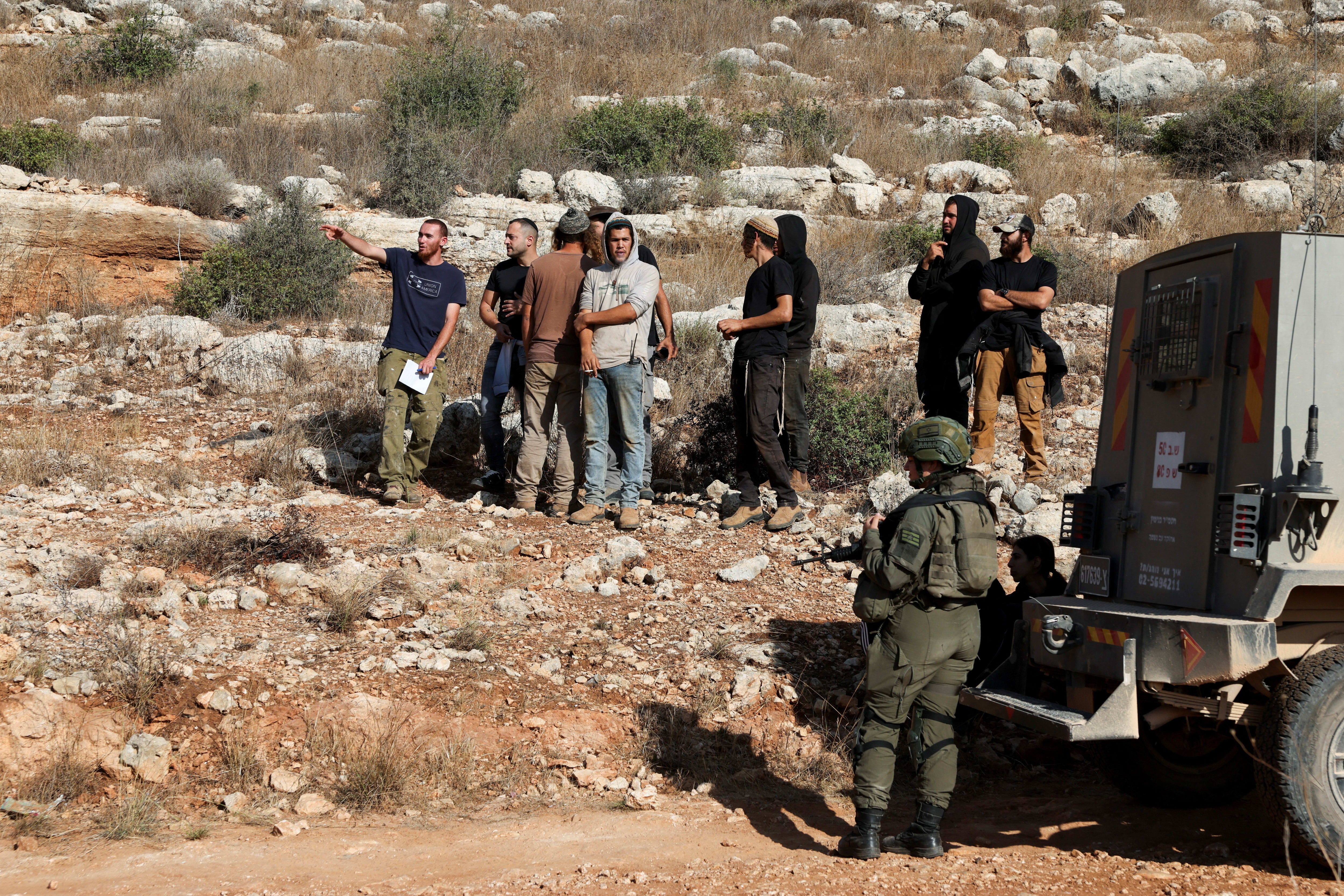
Repeat a falsehood often enough and, before long, people accept it as fact. The same principle applies to the Western media's vilification of West Bank settlers.

We live in a media-driven world, and we know not everything we’re told is true.
Yet, when something is repeated often enough, it can be very persuasive. This is why people fall for daily smears against Israel, and one of the strongest examples of this is the intensifying demonization of the settlers.
Take the recent violent confrontations involving settlers and Palestinians in the West Bank. European diplomats were caught up in one incident, foreign journalists in the other. In both cases, the cameras were already there before the trouble began. What unfolded was trial by media, and as usual Israel never stood a chance.
For the international press, these were stories made for television: violence, vivid pictures, and villains.
Media reporting on recent attacks lacks essential details
Now, I don’t know much about the intricacies of olive harvesting, but it was a surprise to me that the peaceful Palestinians of Abu Falah had reportedly come armed with fireworks. What could they have been there for, to blow olives off the trees? Or attack Jews? Media hasn’t really reported that, nor that foreign activists who record themselves provoking settlers were with them, because it would spoil the narrative.

Then there were the European diplomats visiting Taybeh in a show of solidarity with Palestinians. We know they did not co-ordinate their trip with the IDF. Had they arranged appropriate security the outcome would almost certainly have been different. But they preferred to waltz in of their own accord and complain when something happened (although they could not have wished for better headlines). Perhaps an Israeli delegation should wander into the streets of Paris during violent riots, without co-ordinating with the French authorities, and then express outrage if things turn ugly?
Now consider the numbers.
There are approximately 500,000 settlers and, if you’re the UN, there are an additional 250,000 in east Jerusalem. That’s a total of 750,000. According to the Shin Bet, only a few hundred are involved in violence. A few hundred out of three quarters of a million! European cities have their own hoodlums, but nobody seriously suggests that they define the rest of the population.
In the real world, practically every settler is peaceful and has nothing to do with the kinds of scenes we see on the news. I myself have property in Gush Etzion, and family who live there. Does that suddenly make me a violent settler? Of course not. Same goes for all the others.
Incidents of settler violence blown out of proportion by Western media
These incidents are vastly blown out of proportion. The UN says that in the past 12 months there were just over 2,000 settler attacks (its definition includes non-violent acts); the Shin Bet says there was twice that amount of Palestinian violence - stone-throwing, petrol bombs, shootings, stabbings, and more. Why do we never hear about those on the BBC and CNN, or in the Washington Post or New York Times?
Netanyahu was right when he told the UN last month that there was an eighth front to the wars Israel is fighting. He called it “the war for truth”.
This is true of the treatment of the settler movement, reinforced almost daily by an anti-Israel media, by the UN, by Israel’s enemies and even by many of its allies with much worse problems of their own. And there is a psychological explanation for why this kind of reinforcement can be so powerful. In 1977, three American university professors demonstrated what became known as the Illusion of Truth Effect. It means that people become more likely to believe something is true simply because they have heard it repeatedly, even when it is false.
Repeat a falsehood often enough and, before long, people accept it as fact.
The same principle applies to the vilification of the settlers. A distorted image, cemented by relentless repetition, becomes the illusion of truth.
Just don’t be fooled.
Uri Geller is one of the world’s most investigated proclaimed psychics and has been the source of fierce controversy for decades. He was one of Israel’s first international celebrities and is now the owner of the Uri Geller Museum in Old Jaffa. Learn more at www.urigellermuseum.com. Follow him on X at @theurigeller. His opinions are his own.
KioskNews shows a cleaned-up reading view extracted from the publisher’s page — the original always lives on their site, not ours.