India vows to dig its way out of China machinery curbs
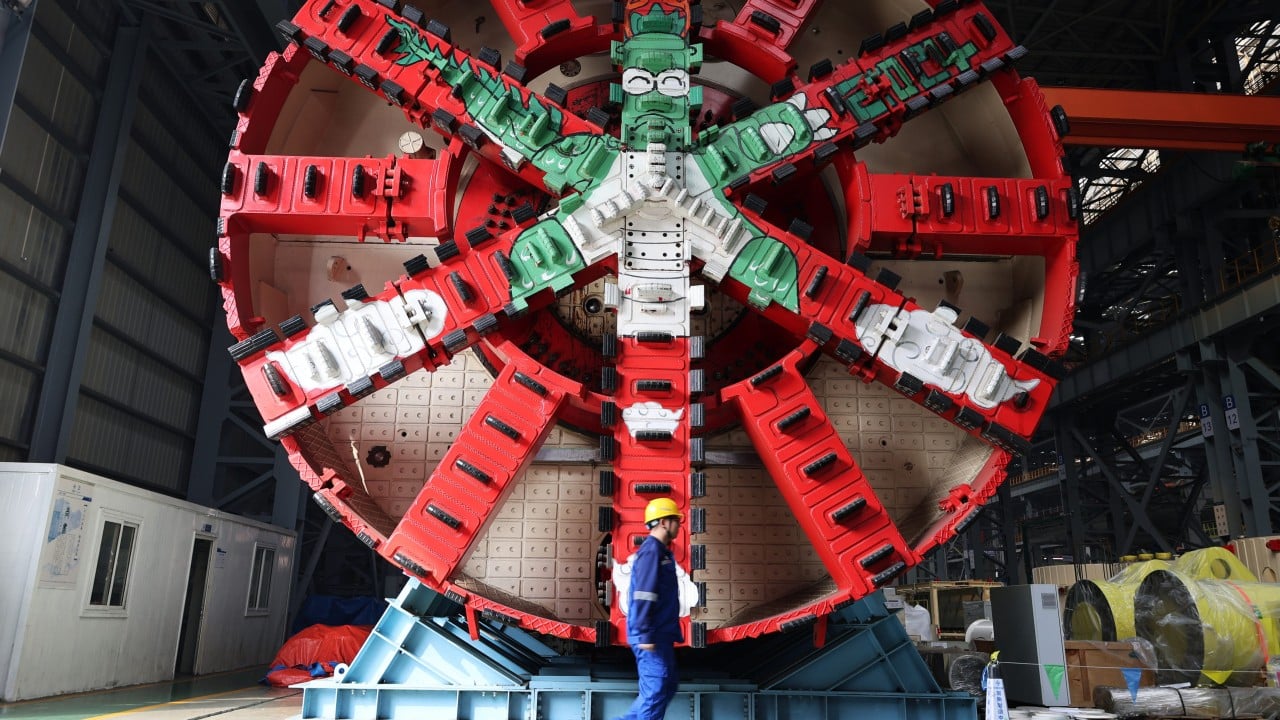
India’s ambitious plans to construct high-speed railways, metro networks and strategic roads through the Himalayas could be hampered by China’s proposed restrictions on tunnel-boring machines, exposing a dependence on foreign technology that New Delhi may find difficult to overcome.
Experts say while the curbs are unlikely to halt construction, they could slow major projects and have intensified calls for India to develop its own advanced tunnelling equipment.
The restrictions also threaten to complicate a cautious thaw in relations between the Asian neighbours, raising questions about how far their economic ties can recover amid persistent strategic tensions.
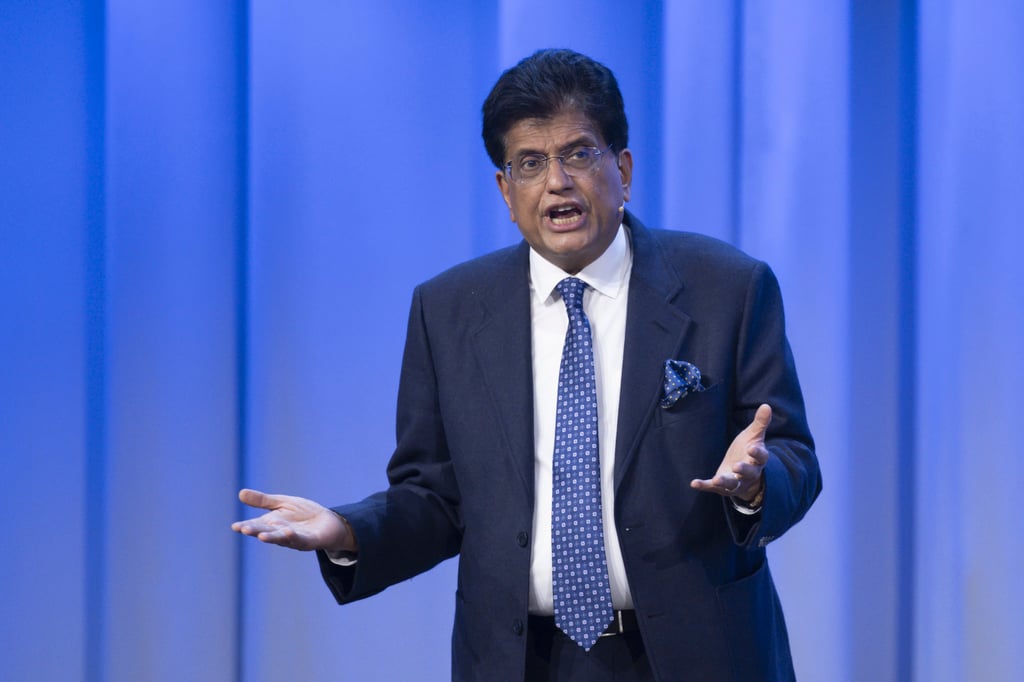
India’s Commerce Minister Piyush Goyal said on Tuesday that Delhi would not bow to pressure or make concessions to secure critical technology from China, but would instead develop its own manufacturing capabilities if supplies were restricted.
“If they don’t give us tunnel-boring machines, we will develop it in India. India is not someone who will give in,” Goyal said.
But he sought to strike a conciliatory note, saying Delhi did not want to damage its relationship with Beijing.
“Our ties with China are good and will improve in the absence of new obstacles,” he said.
Beijing’s export controls, announced on October 19 and due to take effect on November 18, would require licences for shipments of certain tunnel-boring machines and components to countries with which China has disputes, while exports elsewhere would face registration requirements.
China said the measures were intended to protect national security, citing the equipment’s potential military and civilian uses. It did not identify which countries would face the stricter licensing requirements.
Nevertheless, the restrictions have raised concerns in India, which has a long-standing border dispute with China, amid reports of renewed stand-offs between troops along their disputed Himalayan frontier.
The two countries have spent the past year trying to repair relations strained by a deadly clash between their troops in the Galwan Valley in 2020, with direct flights resuming last year after a five-year hiatus.
In September, Chinese President Xi Jinping visited India for the first time in seven years, holding a bilateral meeting with Prime Minister Narendra Modi on the sidelines of the Brics summit.
The tunnel-boring machine restrictions are not the first Chinese export controls to raise concerns in India.
Goyal said Delhi was also trying to reduce its dependence on China for rare earth minerals, following curbs imposed by Beijing last year that hurt India’s technology and automotive industries.
“When they stopped rare earths, we did not go begging to them,” the minister said, adding that some start-ups were now producing motors without rare earth minerals.
Experts said China’s latest curbs were unlikely to disrupt tunnel construction outright, as India also relied heavily on conventional excavation methods such as blasting and other equipment. However, they warned that the restrictions could slow the pace of development.
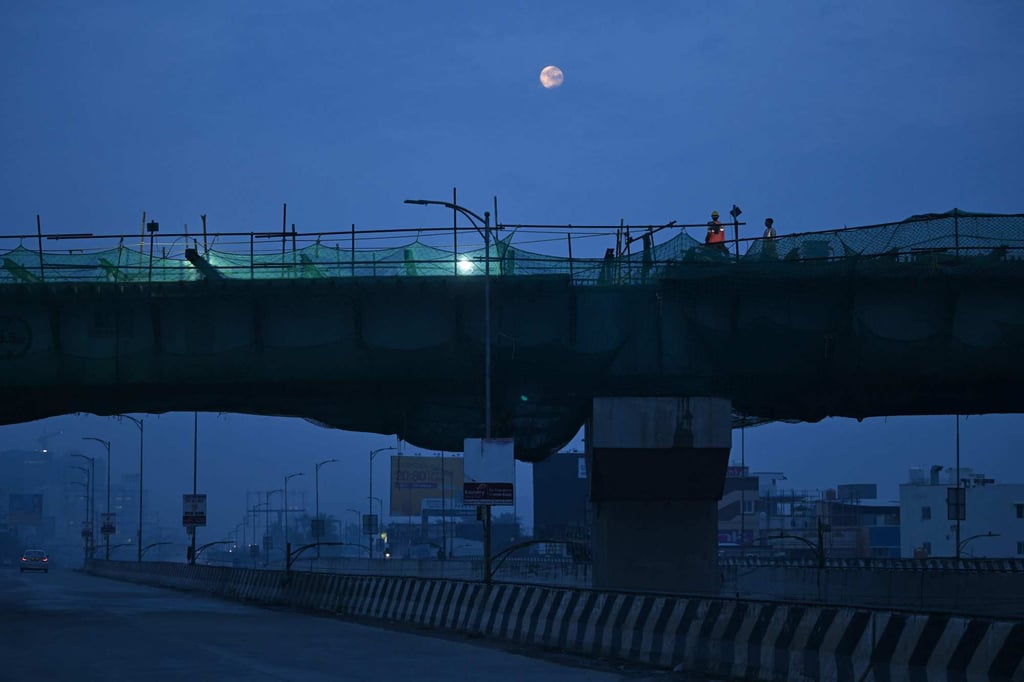
India has embarked on a massive multilayered expansion of its railway network, including a bullet train project through a Mumbai-Ahmedabad corridor and construction of roads, tunnels and bridges across Himalayan mountain ranges where it shares a border with China.
Tunnel-boring machines are particularly important for complex projects, including tunnels beneath densely populated areas where conventional excavation methods may be less suitable.
“We’ve been importing these machines for every metro and rail tunnel, and very few people asked why we weren’t making them here. China’s move has forced that question [upon India],” said Vijayaram Suryamurthy, executive director of Port City Nidhi Ltd, a multi-domain financial services firm in Tamil Nadu.
He said India could easily develop the steel shell of a boring machine, but other parts such as the cutter head, hydraulics and the control systems would require more sophisticated engineering skills.
“If the government gives manufacturers some certainty on orders, and we tie up with European, Japanese or Korean partners, this can work. Start with servicing and spares, build the skills, and the bigger pieces will follow,” Suryamurthy said.
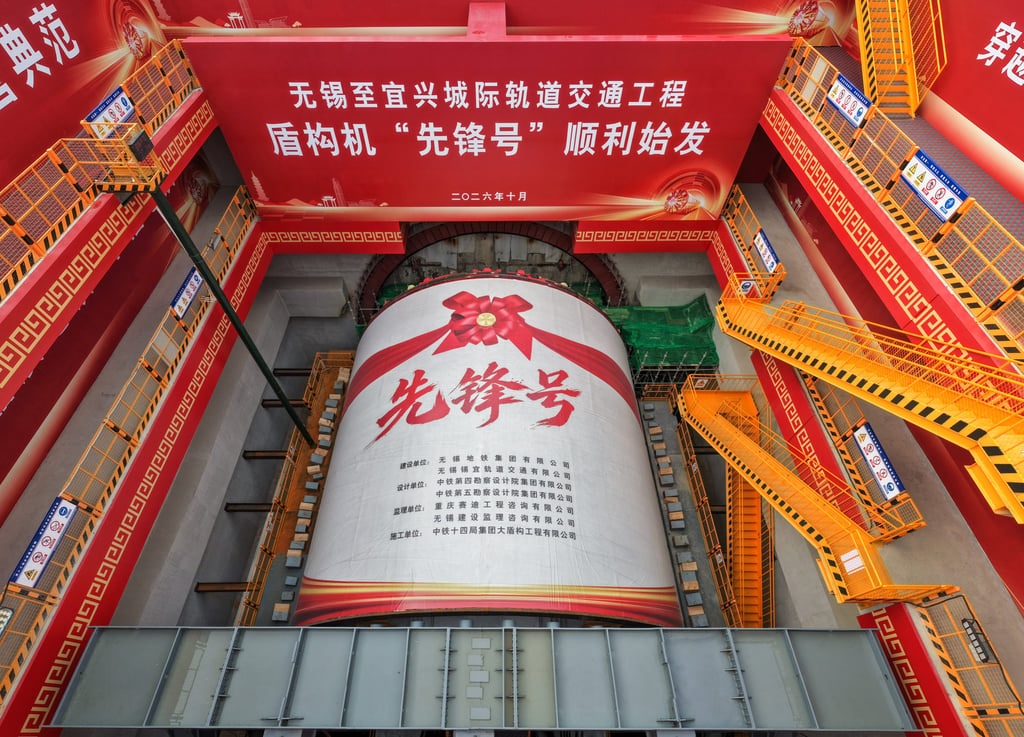
However, developing the manufacturing capabilities would take time, he noted.
“I think anyone who says India can stop importing TBMs [tunnel-boring machines] next year is being too optimistic. For the next couple of years we’ll still need imports. The change is that we can’t keep relying on one source,” Suryamurthy said.
“China’s new controls are a risk we have to plan around, and that’s really what this is about.”
China dominates the global market for tunnel-boring machines and India is among its main customers. India imported machines worth US$486 million in 2025-26 and half of them came from China, according to India’s Business Standard newspaper.
The Indian government has been working towards a US$1.2 billion incentive programme before China’s curbs to boost the domestic manufacturing of tunnel-boring machines, lifts for high-rise buildings and firefighting equipment.
India has aggressively sought to boost its manufacturing sector since the Covid-19 pandemic through incentive programmes for a range of industries spanning electronics to automobiles, driven by global supply chain disruptions.
Domestic opportunity
Biswajit Dhar, an economics professor at Delhi’s Council for Social Development, noted that China’s curbs implied that Indian companies would need to seek explicit permission for machine imports, and re-routing through third countries would not be possible.
With China’s latest export restrictions extending to artificial intelligence, biopharma and photovoltaic technologies for solar energy, Dhar said that could have an even greater impact on India’s ambitions for solar energy expansion.
India aims to achieve net-zero emissions by 2070 and slash its fossil fuel imports amid soaring oil and gas prices.
“We have been talking about reviving our manufacturing sector. We hope the government gets more serious now and puts its best foot forward,” he said.
Since March, India has selectively relaxed restrictions on Chinese investments in electronic components, capital goods and solar cells.
The easing of restrictions had raised hopes that it could boost local manufacturing and reduce imports for inputs such as pharmaceutical intermediates, but Dhar warned that China’s curbs could now weigh on India’s manufacturing of cutting-edge biomedicines.
“India has to prioritise manufacturing for critical areas such as energy and pharmaceuticals. Chances can’t be taken,” he said.
Srinivaasan Balakrishnan, analyst with Delhi-based think tank Indic Researchers Forum, said the hurdles should be seen as an opportunity to create a multi-trillion rupee infrastructure pipeline by backing the domestic industry.
“Handled with focused incentives and technology partnerships, this can turn a supply chain vulnerability into a lasting manufacturing strength,” he said.
He suggested adopting a hybrid path of rising domestic content combined with selective imports and technology transfer as a realistic route for the next few years.
KioskNews shows a cleaned-up reading view extracted from the publisher’s page — the original always lives on their site, not ours.