Apple TV’s Isaac Asimov Series Is A Sci-Fi Masterpiece, But A Bad Adaptation

Dhruv is a Lead Writer in Screen Rant's New TV division. He has been consistently contributing to the website for over two years and has written thousands of articles covering streaming trends, movie/TV analysis, and pop culture breakdowns.
Before Screen Rant, he was a Senior Writer for The Cinemaholic, covering everything from anime to television, from reality TV to movies.
After high school, he was on his way to become a Civil Engineer. However, he soon realized that writing was his true calling. As a result, he took a leap and never looked back.
It is fair to say that a sci-fi adaptation is only as good as its ability to adapt. After all, if it fails to translate the very essence of its source material to the screen, is it even worthy of being labeled as an adaptation? This unsaid rule, however, is defied time and again by a few movies and shows. One Apple TV space opera masterpiece is a perfect example since, on paper, it is a terrible adaptation.
Loosely based on Isaac Asimov's book series, Apple TV's Foundation took on the massive challenge of bringing a complex work of sci-fi fiction to the screen. After many failed attempts in the past, Foundation almost seemed "unfilmable." This convinced many that Apple TV was playing a losing game. Foundation season 1 also struggled to impress many because of its massive creative liberties.
Since most bad TV adaptations are also bad shows, Foundation should have been doomed. However, the series achieved a strange paradox. Despite its inability to accurately adapt its source material, it is easily among the best sci-fi shows of the 2020s. It is also arguable that Foundation would not have been half as successful if it had delivered a page-to-page adaptation of the books.
Foundation Is A Terrible Adaptation, But A Great Sci-Fi Series
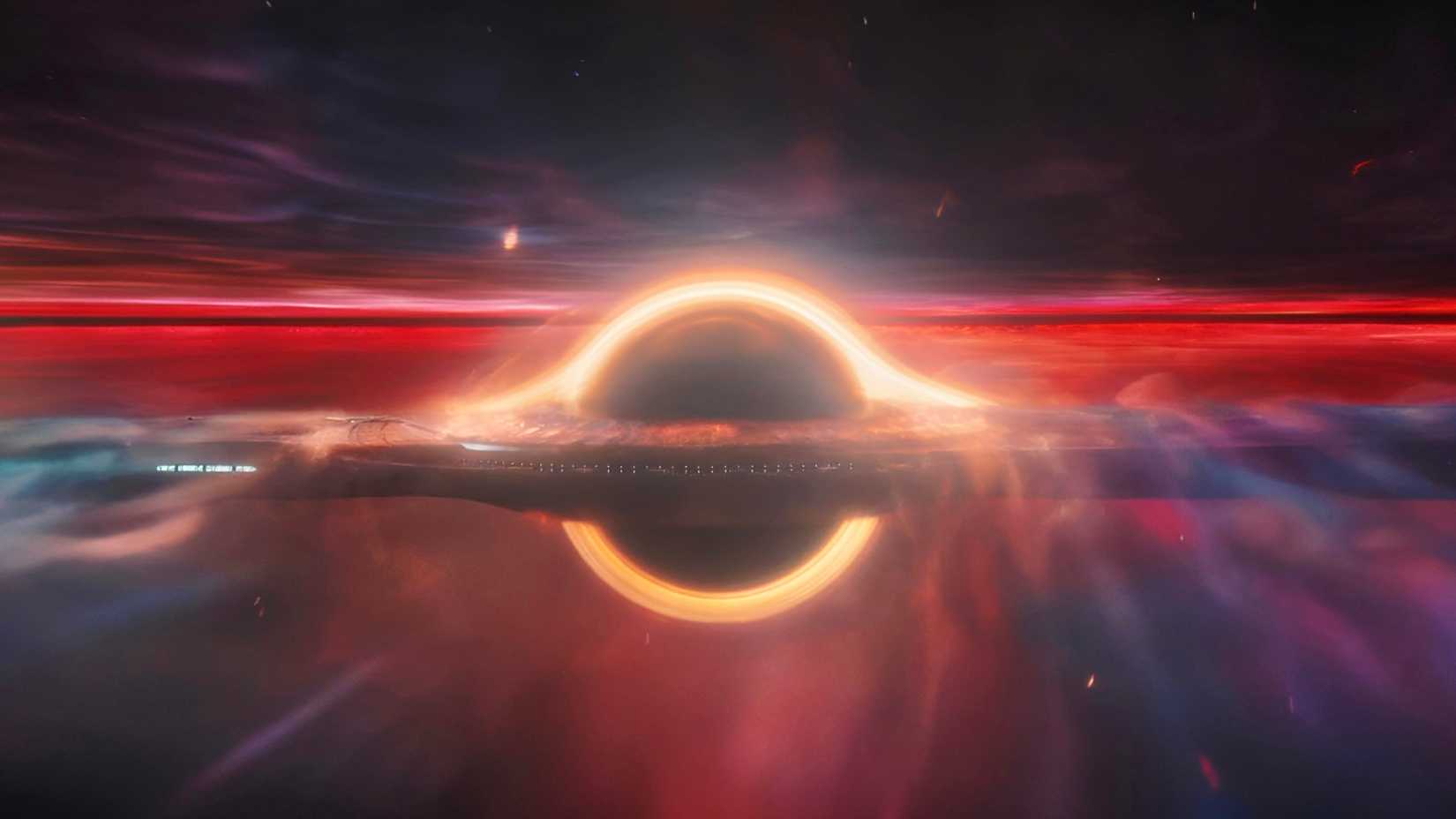
If judged purely on its faithfulness to Isaac Asimov's text, Apple TV's Foundation has many glaring issues. In more ways than one, it almost inverts the books' core thesis. Psychohistory, in the Foundation books, is treated as a mathematical inevitability. Owing to sociological and economic forces, even certain outcomes are impossible in books.
More than anything else, Foundation originally avoids following conventional fiction tropes and archetypes that feature individual heroism.
In the Apple TV sci-fi show, on the other hand, Hari Seldon’s math constantly breaks down. As a result, Foundation introduces "outlier" characters like Gaal Dornick and Salvor Hardin in the story to steer history through personal heroism and action. Many characters in Apple TV's Foundation are also reinvented beyond recognition. Meanwhile, unlike the books, the show even heavily leans on spectacle.
With so many creative leaps, Apple TV's Foundation should have been a terrible TV series. Yet, its adaptation approach works wonders.
The series thoughtfully approaches aspects from the books that may not have translated too well to the screen. For instance, it tells a similar century-spanning story about how empires decay from the inside when preservation is prioritized. However, it does this while introducing cloning, cyrosleep, and digital consciousness, which allows it to have long-term arcs for the same characters.
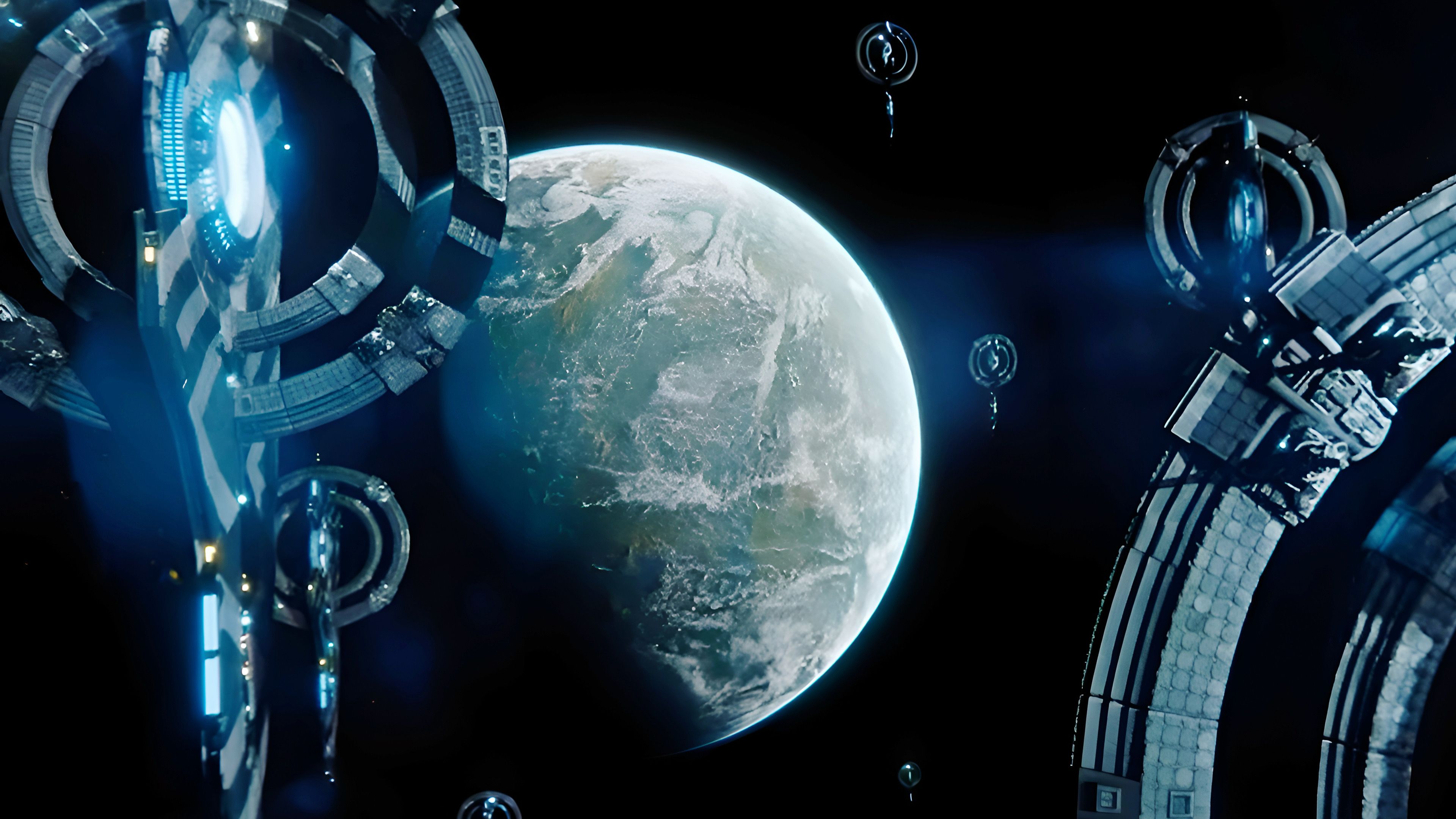
Even the Apple TV sci-fi show's display of spectacle always has underlying significance. Everything from the destruction of the Star Bridge on Trantor to the brutalism of the Maiden on Synnax instill awe because of the visual scale and narrative purpose.
Foundation Proves Not Every Adaptation Needs To Be Book-Accurate
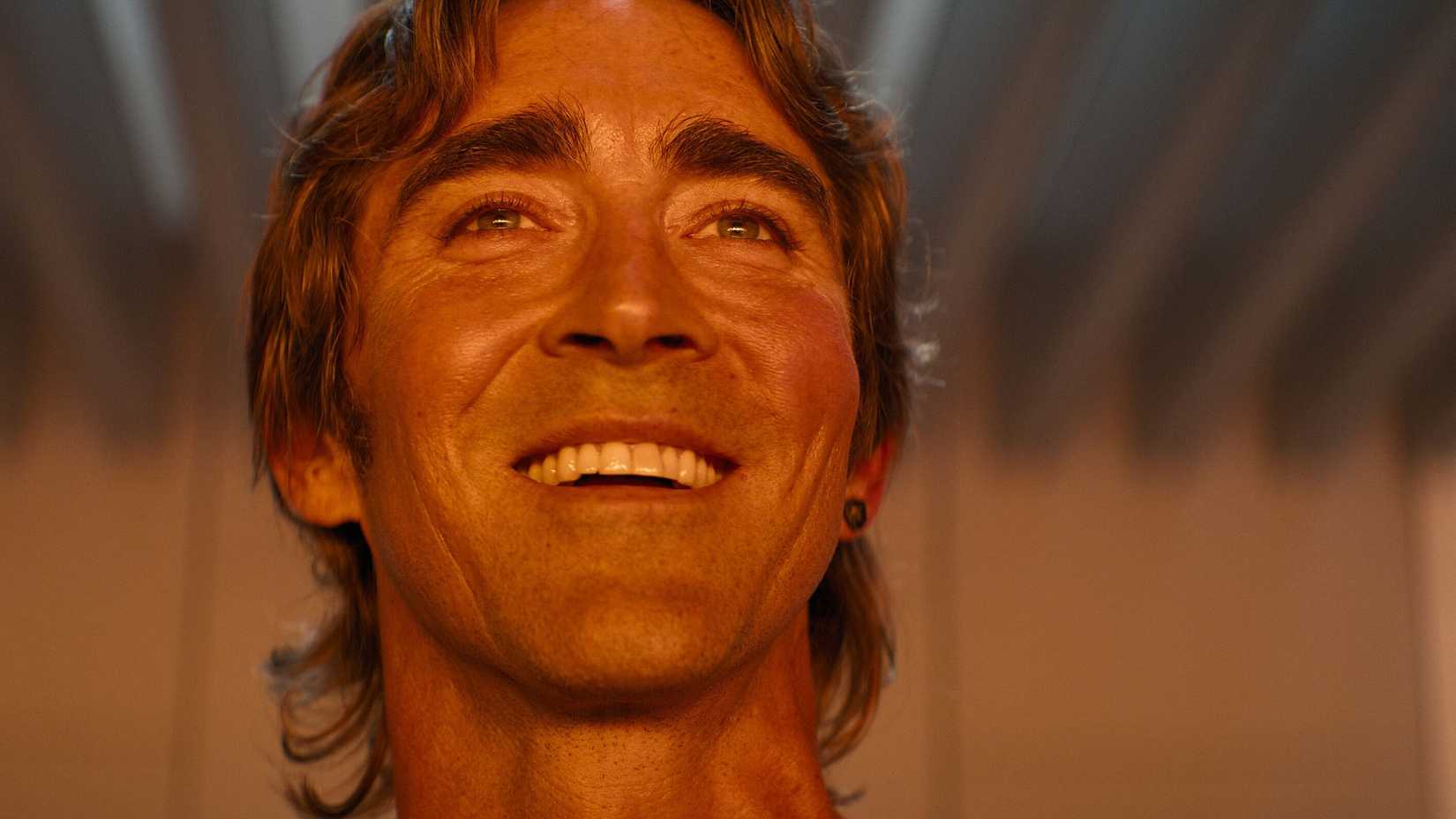
An adaptation should always avoid alienating book purists. At the same time, though, it should also understand the limitations of its own medium. Some of the biggest literary strengths on paper can be poison for live-action storytelling. Even when a book is perfectly adaptable for the screen, there is usually some room for thoughtful reinterpretations.
Ridley Scott's Blade Runner (based on Philip K. Dick's Do Androids Dream of Electric Sheep) and Stanley Kubrick's The Shining (adapted from Stephen King's book) are perfect examples of this.
As a reader, it can be frustrating when you expect a loyal translation of a beloved book, but the final product turns out to be a complete reimagining. Perhaps, this is why many viewers still have their qualms about Foundation's adaptation approach.
However, with some sci-fi adaptations like Apple TV's Foundation, it is good to appreciate how they change their source material without watering down the original scale and ambition. Reinvention does not always beat imitation. But in Foundation's case, the show perfectly captures how Isaac Asimov's ideas are like time machines; they feel both timeless and moldable over 70 years after their publication.
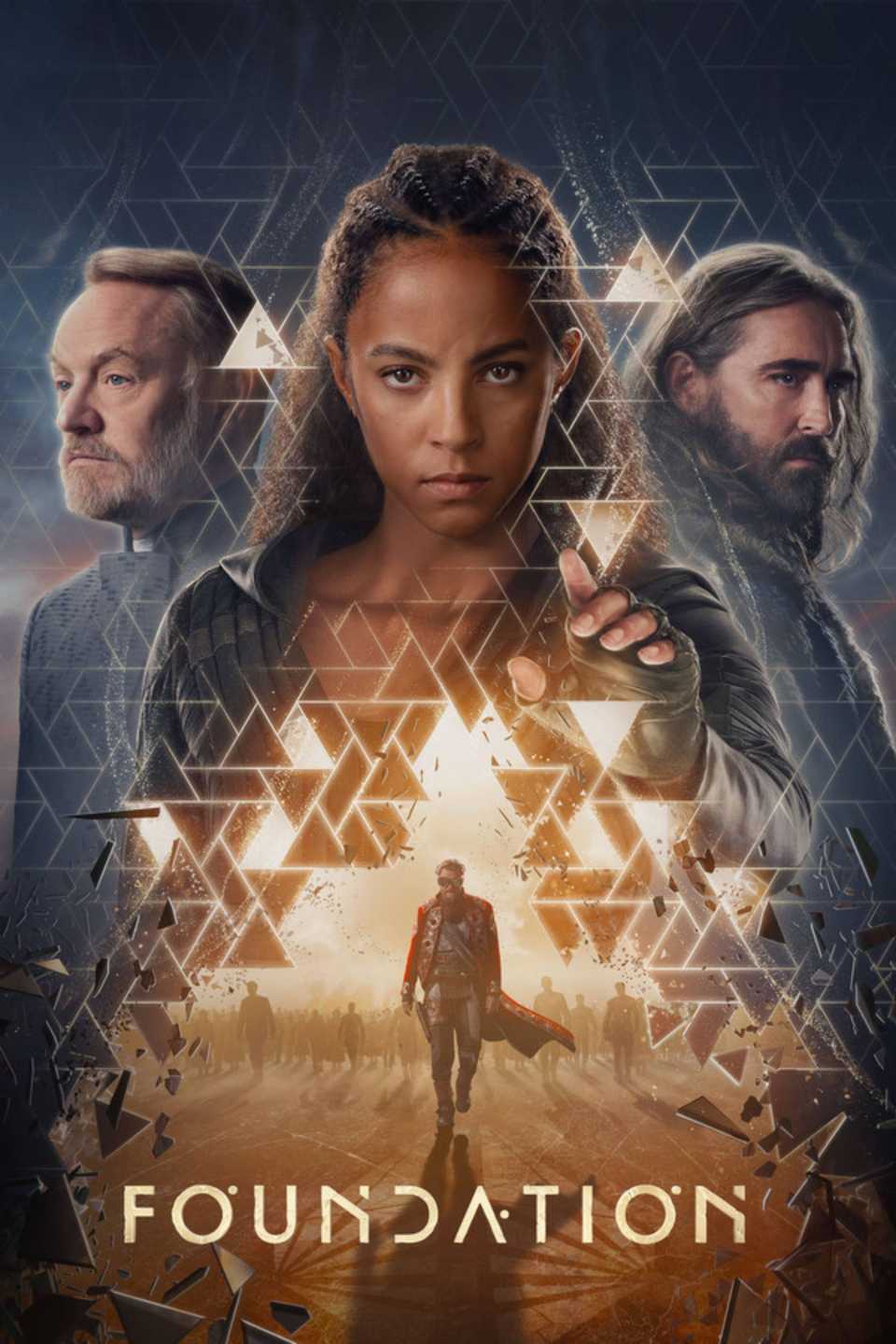
Foundation

8/10
- Release Date
- September 23, 2021
Isaac Asimov's novel series is brought to life in Foundation, a television adaptation of the epic sci-fi saga created for Apple TV+. The show follows a group of exiled humans that find themselves as the last chance to save the Galactic Empire, primarily from itself.
- Network
- Apple TV+
- Cast
- Jared Harris, Laura Birn, Lee Pace, Ella-Rae Smith, Nikhil Parmar, Lou Llobell, Leah Harvey, Cassian Bilton, Terrence Mann, Jade Harrison, Chris Jarman, Joyce Grey-Carter, Nikhil Dubey, Conor Dudley Fergus, Proschat Madani, Kirsten Block, Samir Fuchs, Jerry Kwarteng, Anne Gill, Thomas Lappin, Barry McGovern, Alexander Siddig, Chipo Chung, Reece Shearsmith, Carolina Main
- Showrunner
- David S. Goyer
- Directors
- Alex Graves, Roxann Dawson, Jennifer Phang, Mark Tonderai, Andrew Bernstein
- Writers
- Jane Espenson, Leigh Dana Jackson, Liz Phang, Eric Carrasco, David Kob, Addie Manis, Marcus Gardley, Lauren Bello, Olivia Purnell
- Main Genre
- Sci-Fi
- Creator(s)
- David S. Goyer, Josh Friedman
- Executive Producer(s)
- Cameron Welsh, David S. Goyer, Robyn Asimov
- Producers
- David S. Goyer, David Ellison, Robyn Asimov, Bill Bost, Cameron Welsh, Josh Friedman, Dana Goldberg, Marcy Ross
- Seasons
- 3
- Streaming Service(s)
- AppleTV+
KioskNews shows a cleaned-up reading view extracted from the publisher’s page — the original always lives on their site, not ours.