‘Eternal hometown’: US man, 95, donates medical devices to small Chinese town over 2 decades
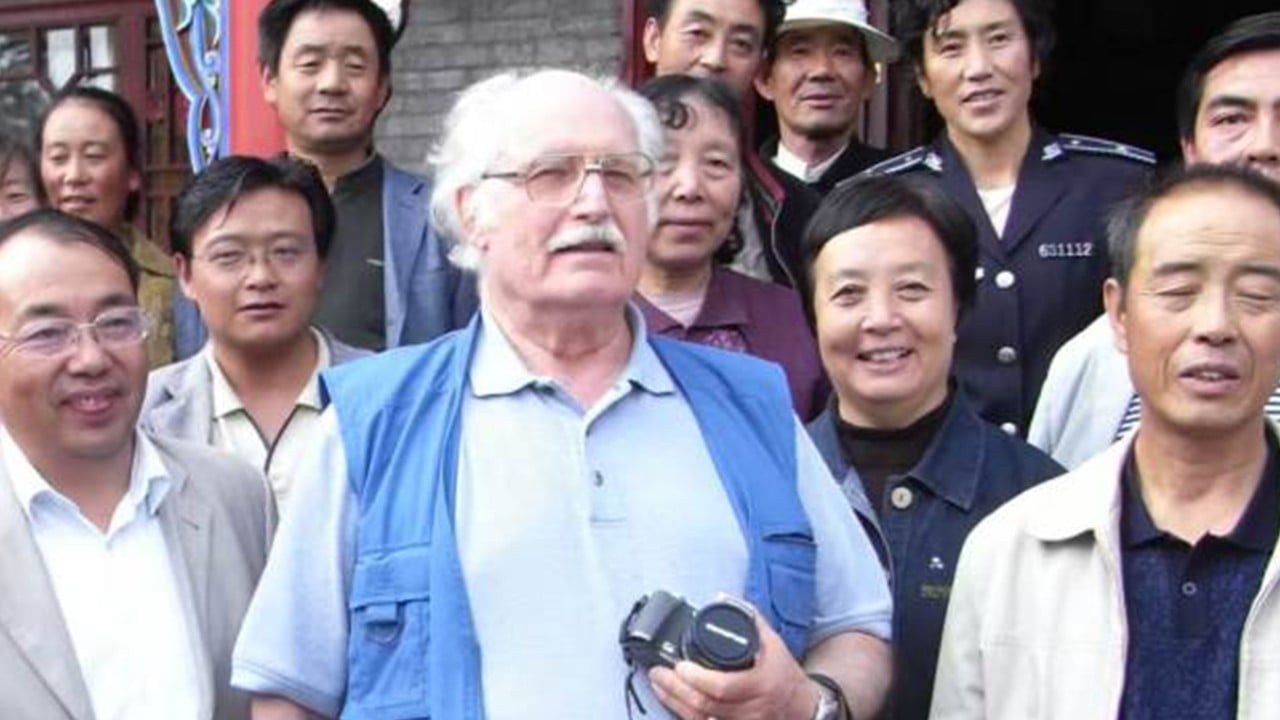
A 95-year-old American man has donated medical equipment worth more than six million yuan (US$900,000) to a small, remote county in northwestern China with which he has a lifelong bond.
China’s foreign ministry spokeswoman Mao Ning praised David V. Plymire in October as an example of people-to-people communication.
Plymire, whose Chinese name is Bai Dawei, came to China from New York with his family in 1932, when he was one year old. His parents worked in trade and practised medicine in Huangyuan county, Qinghai province. Plymire spent his childhood there until he and his family left China in 1949.
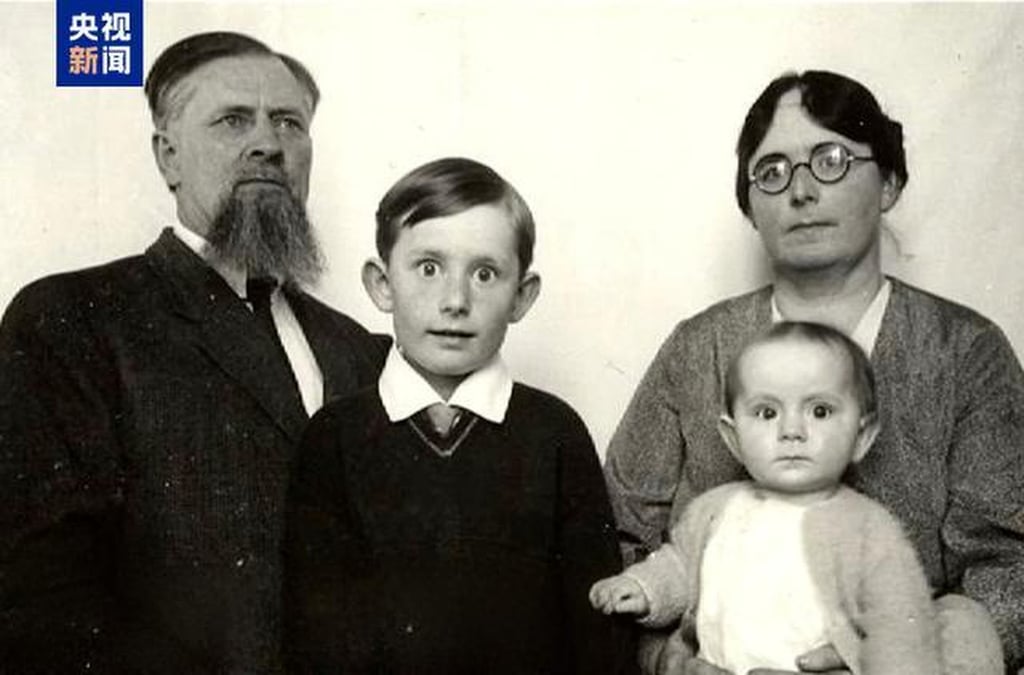
Huangyuan is located on the Qinghai-Tibet Plateau, at an average altitude of 2,700 metres. Its population has historically included Tibetan, Hui and Han people.
Plymire later lived in Hong Kong and other cities before settling in Missouri in the early 2000s.
But he has always regarded Huangyuan as his “only and eternal hometown,” state broadcaster CCTV reported him saying at a public address.
He speaks Mandarin and is fluent in the Huangyuan dialect. While away from China, Plymire often practised saying words in the dialect in front of a mirror for fear of forgetting it.
He returned to China in 1987. A visit to the county prompted him to donate medical equipment to help improve local healthcare.
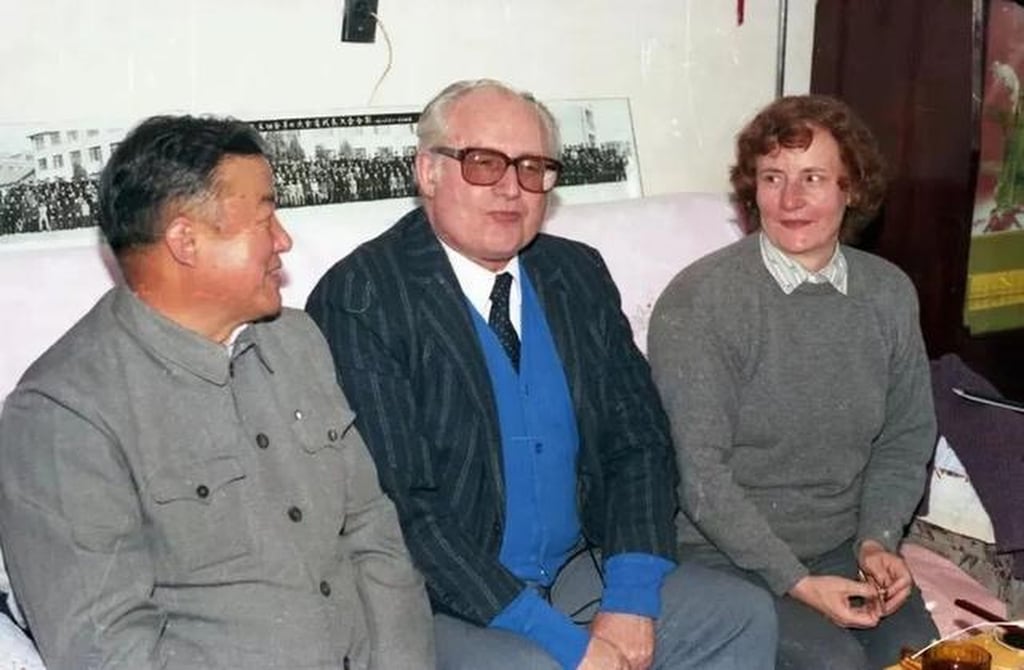
The first two devices he donated were B-mode ultrasound scanners, which he bought with his own money in Hong Kong in 1988 and 1989.
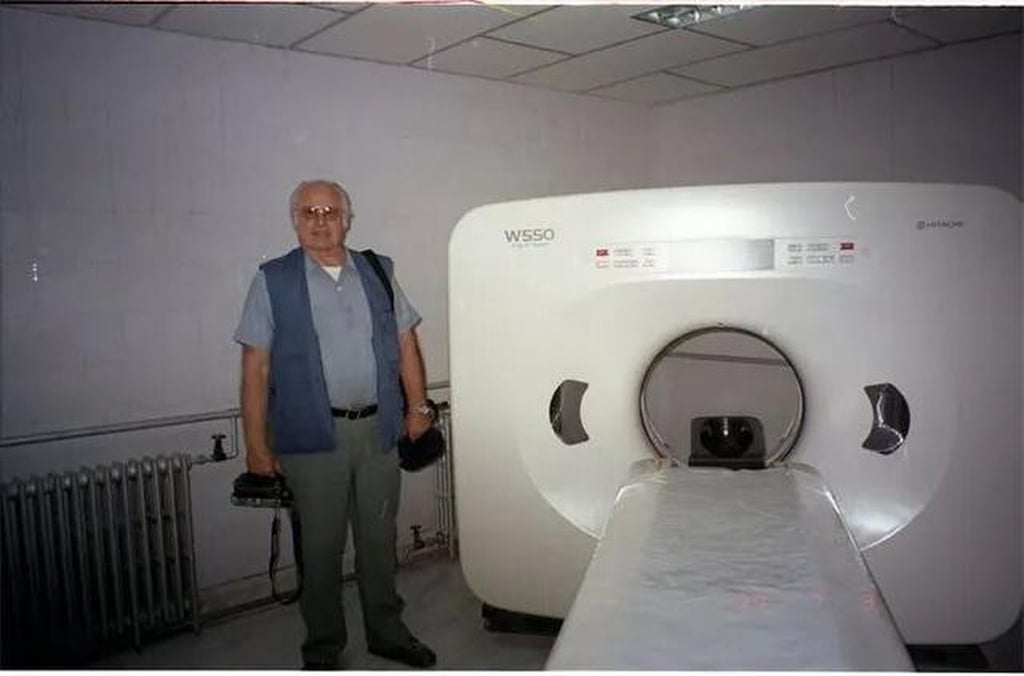
In 1997, Plymire donated a CT scanner to a major hospital in the county. He persuaded an overseas charity fund to allocate funding to him, saying: “Huangyuan is my hometown. Local residents desperately need this equipment.”
It took him three years to navigate the cumbersome procedures involved in importing the CT scanner from Japan, clearing it through China’s customs and transporting it over a long distance to Huangyuan.
At the donation ceremony in July 2000, Plymire bowed to the machine and said: “Please serve the people in my hometown well. I am begging you.”
Since the late 1980s, Plymire has returned to Huangyuan more than 20 times. He has also donated to the local education sector.
Plymire is not wealthy; he raised most of the money for his donations from overseas relatives, friends and charity organisations.
“Mr David lives frugally. To save money, he stayed in the wards of our hospital instead of hotels,” said Wang Shikang, the retired president of Huangyuan County People’s Hospital and a close friend of Plymire.
Wang recalled that Plymire always wore a blue vest when they met, more than 10 times in all. “The blue has turned white from washing,” Wang said.
Plymire met Wang in 1988, and they developed a close friendship.
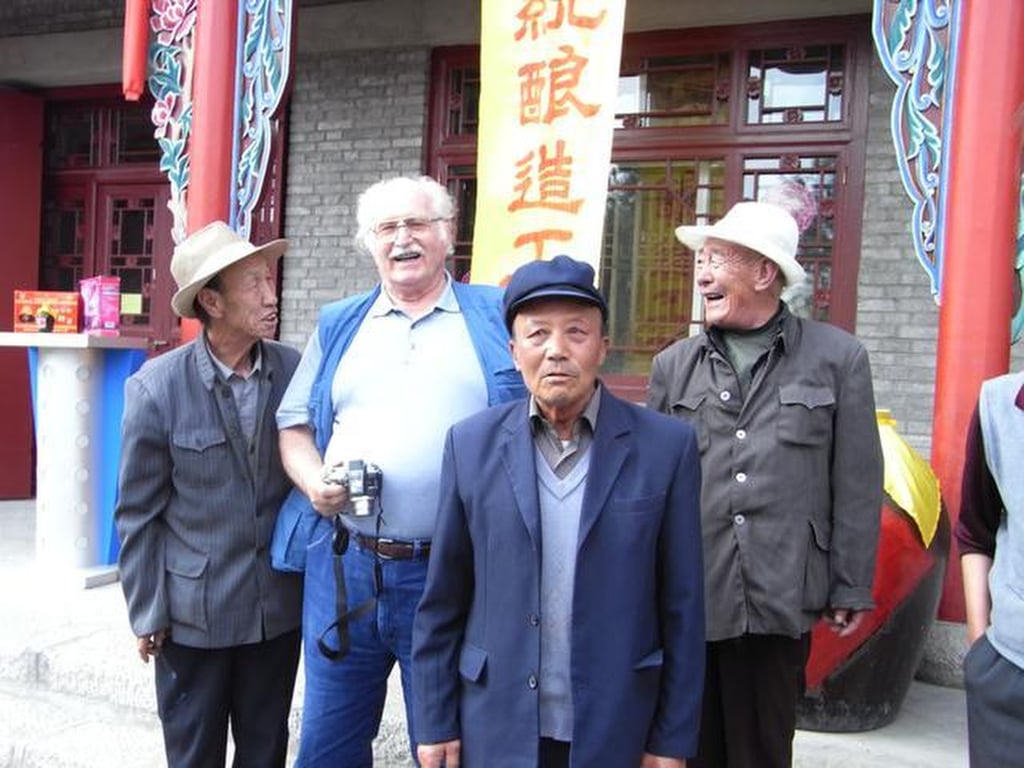
The two exchanged dozens of letters over the past three decades. In Chinese, Plymire wrote about how much he missed Huangyuan, especially its local speciality foods, and asked about the lives of local residents.
In his home in Missouri, Plymire keeps a room for items from Huangyuan. Among them is a handful of earth he collected from Daebo Mountain in the 1990s. He told Wang that he had often played on the mountain as a child.
Other items include an empty bottle that once held mature vinegar and a red banner. Made by Huangyuan hospital, the banner bears words in both English and Chinese thanking Plymire for his contributions to the region.
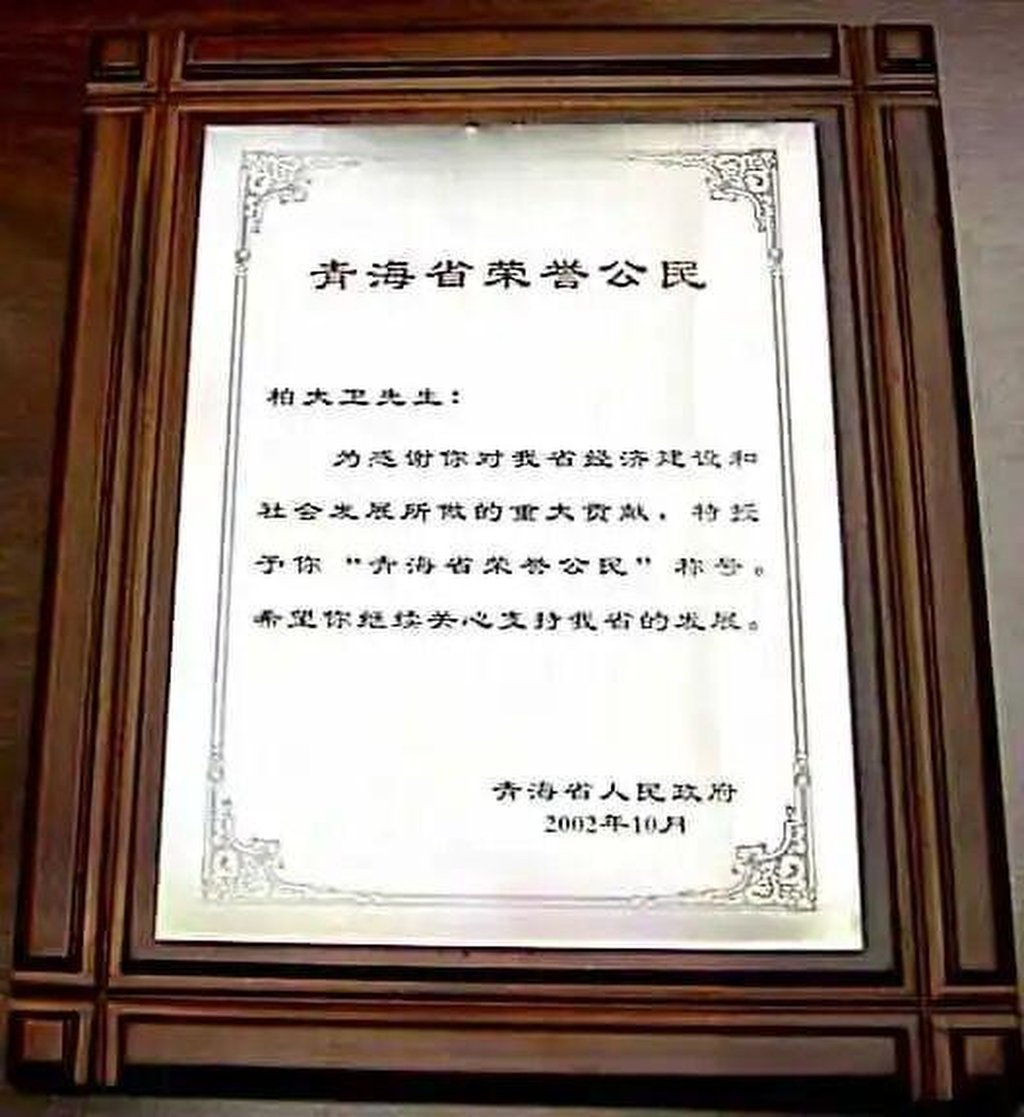
Plymire was named an Honorary Citizen of Huangyuan County in 1998. Five years later, the provincial government bestowed on him the title of Qinghai Province Honorary Citizen.
Plymire modestly described his donations as something he should do out of “filial duty”.
“A kid who leaves home would bring something for his family when he returns. This is part of China’s filial piety,” Plymire said. “I have already developed a Chinese mindset. I regard Huangyuan as my hometown. Making a contribution to it is something I am proud of.”
The nonagenarian has bladder cancer and poor eyesight. In recent years, his health and age have prevented him from flying back to China.
Wang and some of Plymire’s other friends had video calls with him in September and early November.
Speaking in the Huangyuan dialect, Plymire recalled swimming and skating in the county when he was young. He also told his friends that he wanted to eat suan jiu jiu, the local name for seabuckthorn, a plant commonly found in northwestern China.
“I haven’t seen Mr David for more than 10 years. I found that he looks much older now. The people of Huangyuan wish they could see this old brother once more!” Wang said.
KioskNews shows a cleaned-up reading view extracted from the publisher’s page — the original always lives on their site, not ours.