California professor outearns college chancellor by making $800,000 a year teaching 30 online courses
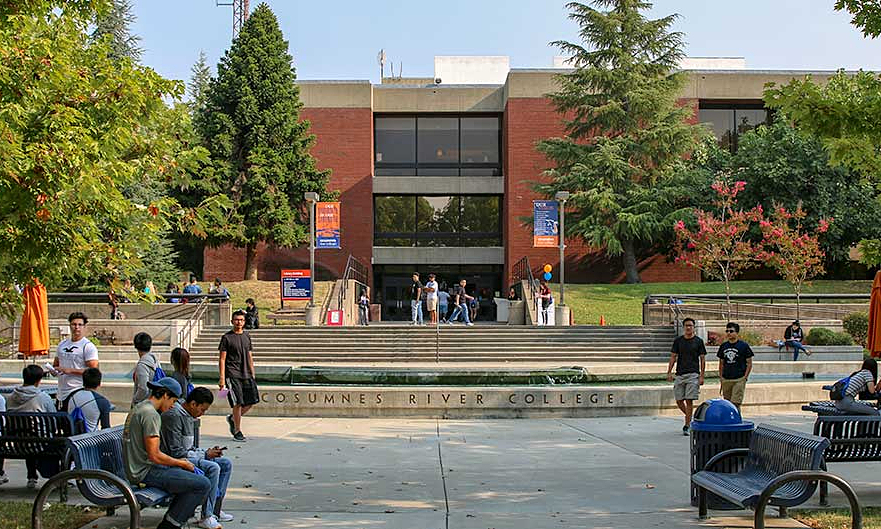
A California professor has drawn widespread attention after earning nearly US$800,000 a year by teaching dozens of online courses simultaneously, earning more than the head of the state's community college system.
The figures were uncovered in a recent analysis of 2024 public payroll data by CalMatters, a nonprofit California political news outlet.
The analysis found that at least 72 instructors appeared on the payrolls of five or more community college districts or campuses within the California State University and University of California systems, primarily teaching self-paced online courses.
Professor Thien-Huong Ninh Villarreal topped the list at nearly $800,000, surpassing every community college administrator in the state in 2024, including system Chancellor Sonya Christian.
Nine other instructors earned between $345,000 and $457,000, exceeding the $343,000 median salary for a community college president or chancellor that year.
According to the New York Post, Villarreal teaches sociology, ethnic studies, and business.
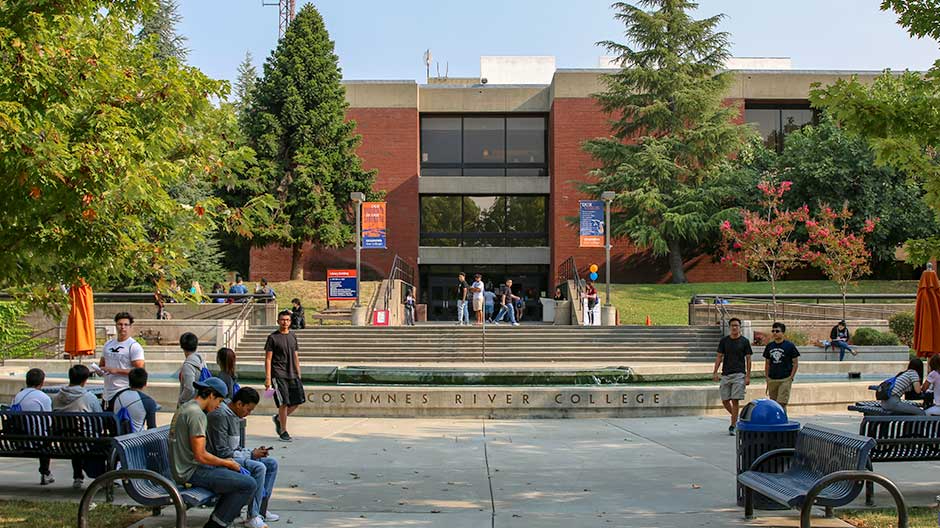
She holds full-time positions at San Joaquin Delta College in Stockton and Cosumnes River College in Sacramento, while also teaching part-time at seven other community colleges and Cal State Sacramento. This fall semester, she is teaching 30 courses to roughly 1,100 students.
 |
|
Students are seen at the campus of Cosumnes River College in Califorina. Photo from the university's website |
Another high earner, adjunct astronomy professor Andrew Vanden Heuvel, teaches around 50 online courses and labs to up to 1,000 students per semester nationwide. He told CalMatters he earned $758,485 in 2024, with about $320,000 coming from California schools.
Vanden Heuvel’s courses largely cover introductory astronomy topics such as stars, galaxies, and the solar system, relying on prerecorded lectures, automated grading, online readings, and interactive simulations.
Defending his workload, Vanden Heuvel said his students receive an excellent education and noted that he is the only astronomy professor available at some rural colleges. He also posts much of his material on YouTube, where his videos have garnered nearly 5 million views.
The massive teaching loads have surprised union and faculty leaders, who have long argued that adjunct instructors are underpaid and overworked.
"I don't know how you can earn that much money, how you can have that many assignments. I mean that's pretty wild," Jim Mahler, president of the community college council for the California Federation of Teachers, told CalMatters, adding that he suspects some professors are simply recording lectures and "just hitting play."
Prerecorded, asynchronous online courses have become increasingly common in California since the Covid-19 pandemic, enabling some instructors to meet teaching-hour requirements across multiple institutions simultaneously.
While the report sparked debate on social media, many commenters expressed sympathy for the professors. They noted that most adjuncts earn little more than minimum wage without full-time benefits, calling it impressive that some found a way to maximize their income within the system.
California currently places no limits on the number of community colleges or districts where an instructor can work and lacks a strict system to monitor combined workloads.
According to a June report by the American Association of University Professors (AAUP), real wages for U.S. university professors have fallen behind inflation while job security across higher education continues to erode.
Drawing on data from roughly 800 colleges and universities, the survey found that average full-time faculty pay rose 2.3% in the recent academic year, trailing the 2.7% rise in the Consumer Price Index and resulting in a 0.4% real-term decline.
Inflation-adjusted salaries for full-time faculty now sit about 9.5% below fall 2019 levels and 5.8% below fall 2008 levels. Although nearly 82% of institutions with comparable two-year data increased nominal pay, only 40.6% delivered raises that outpaced inflation.
Adjunct faculty face the sharpest financial strain, with roughly 70% of surveyed schools setting a pay floor of $4,000 or less per three-credit course. Benefits are similarly sparse, with only 32.7% of institutions contributing to part-time faculty retirement plans and 30.6% contributing to medical insurance.
KioskNews shows a cleaned-up reading view extracted from the publisher’s page — the original always lives on their site, not ours.