Humanities PhD students at US universities more likely to hold antisemitic views than peers - study
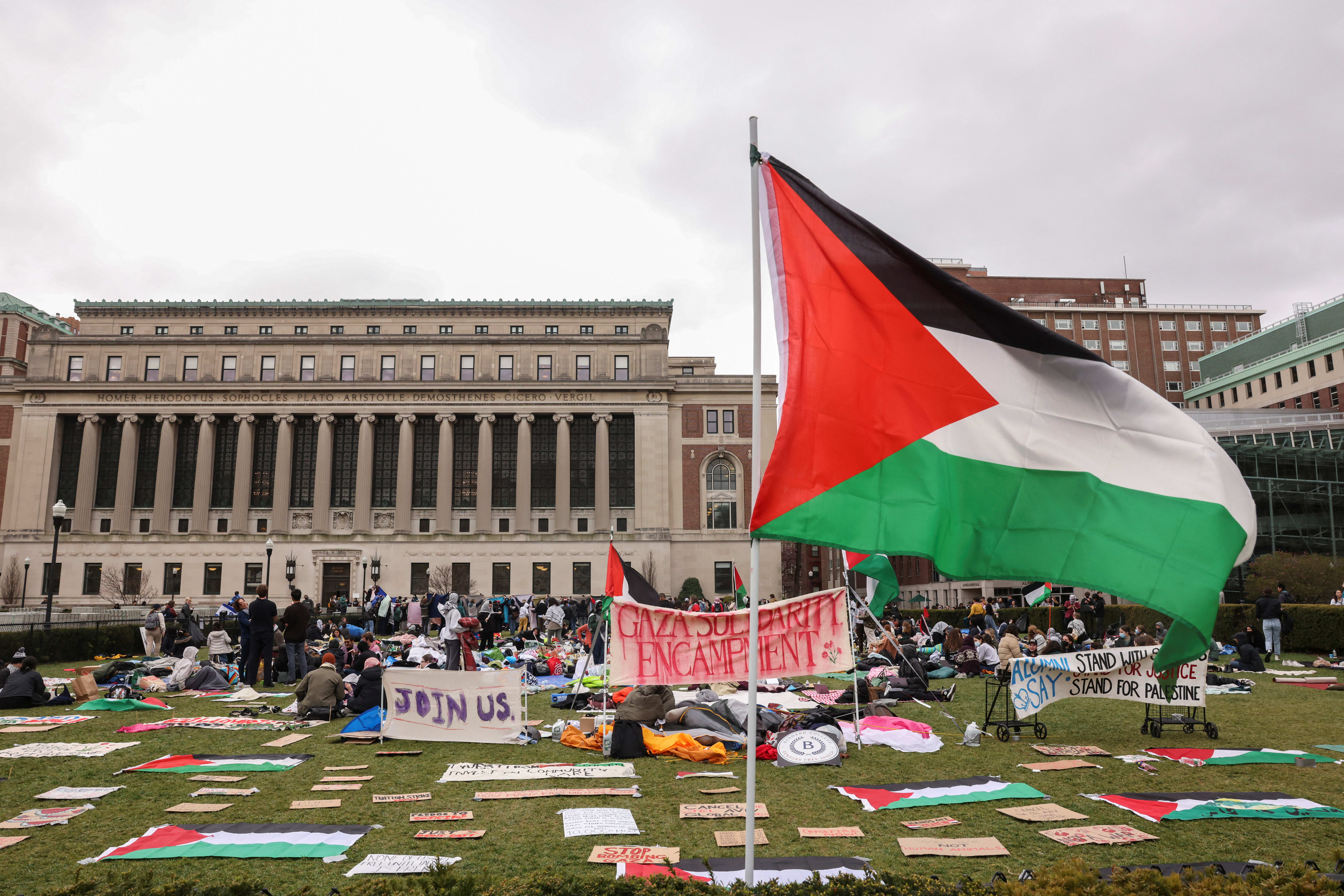
Researchers examined graduate students, who make up majorities at selective research universities, frequently serve as teaching assistants and instructors, and often have central roles in protests.

A comprehensive new study published in October reveals that American humanities doctoral students are significantly more likely than other US graduate students to hold anti-Jewish prejudice and hostility toward Israel.
The report, called “Antisemitism and Prejudice Among US Graduate Students,” was conducted by researchers Graham Wright, Shahar Hecht, Daniel Nussbaum, Samantha Shortall, and Leonard Saxe at the Maurice and Marilyn Cohen Center for Modern Jewish Studies (CMJS) at Brandeis University, in partnership with the Steinhardt Social Research Institute and polling firm Generation Lab.
The research addressed a major blind spot in post-October 7 campus climate studies, which have focused predominantly on undergraduate students and faculty.
Researchers sought to examine graduate students, who make up majorities at many selective research universities, serve as teaching assistants and instructors, and often play central roles in campus political movements, to understand their views on Jews, Israel, other minority groups, political engagement, and protest tactics.
Generation Lab administered an online survey between March 5 and April 30, collecting responses from 3,107 graduate students across 222 four-year colleges and universities in the US.

The sample encompassed five major degree pathways: PhD students across STEM, social sciences, and humanities, and professional degree students in Master of Social Work (MSW), Master of Education (M.Ed.), Master of Business Administration (MBA), and Juris Doctor (JD) programs.
Distinct subgroups of graduate students harbor explicit hostility
The study’s key findings indicate that across all fields of study, nearly two-thirds of graduate students (62%) express low levels of prejudice toward Jews, Israel, Muslims, Blacks, and Asian Americans. However, the data revealed small, distinct subsets of students who harbor explicit hostility. Using Latent Class Analysis across ten prejudicial statements, researchers identified that 9% of graduate students fit a pattern characterized by hostility to Jews, 11% exhibited hostility to Israel, 12% showed anti-Black resentment, 4% demonstrated anti-Asian and anti-Muslim resentment, and 2% displayed hostility across multiple minority groups.
Humanities PhD students stood out across the data as the most likely to express anti-Jewish prejudice and hostility to Israel. While the majority of humanities doctoral students held low levels of prejudice, 26% fell into the “Hostile to Israel” category, and 12% fell into the “Hostile to Jews” category.
Furthermore, 41% of humanities PhD students considered the Israel-Palestine conflict to be an issue of high personal importance, the highest proportion among all graduate fields. By comparison, overall graduate students tended to invest more personal concern in domestic issues such as Donald Trump and American democracy, racism in America, and immigration policy.
Graduate students' perspectives on political protests
The report also uncovered notable dynamics regarding international students and political protest. International students were less likely to express hostility to Israel (4%) or support disruptive protest actions compared to domestic students, yet exhibited higher rates of expressed prejudicial views toward Jews (17%), Black people (19%), and Asian Americans (9%).
Regarding protest methods, most graduate students accepted the legitimacy of disruptive actions under certain circumstances; while 79% said violence is never acceptable, majorities expressed that actions like occupying campus buildings or shouting down speakers are acceptable on at least rare occasions. Support for such disruptions mapped strongly onto political ideology, being far more prevalent among extremely liberal students.
The report concludes by emphasizing that while overt hostility remains concentrated in minority factions, graduate students in influential instructional roles can heavily impact the campus ecosystem.
The researchers recommend that university administrators and faculty directly engage with humanities doctoral students to understand and address the roots of anti-Jewish sentiment, tailor international student orientation to address various forms of American prejudice, and ground protest policies in clear legal and moral principles while anticipating how rules will be received by a student body largely tolerant of disruption.
KioskNews shows a cleaned-up reading view extracted from the publisher’s page — the original always lives on their site, not ours.