MP criticises £99.9m given to Royal Family while ‘millions experience intense suffering’
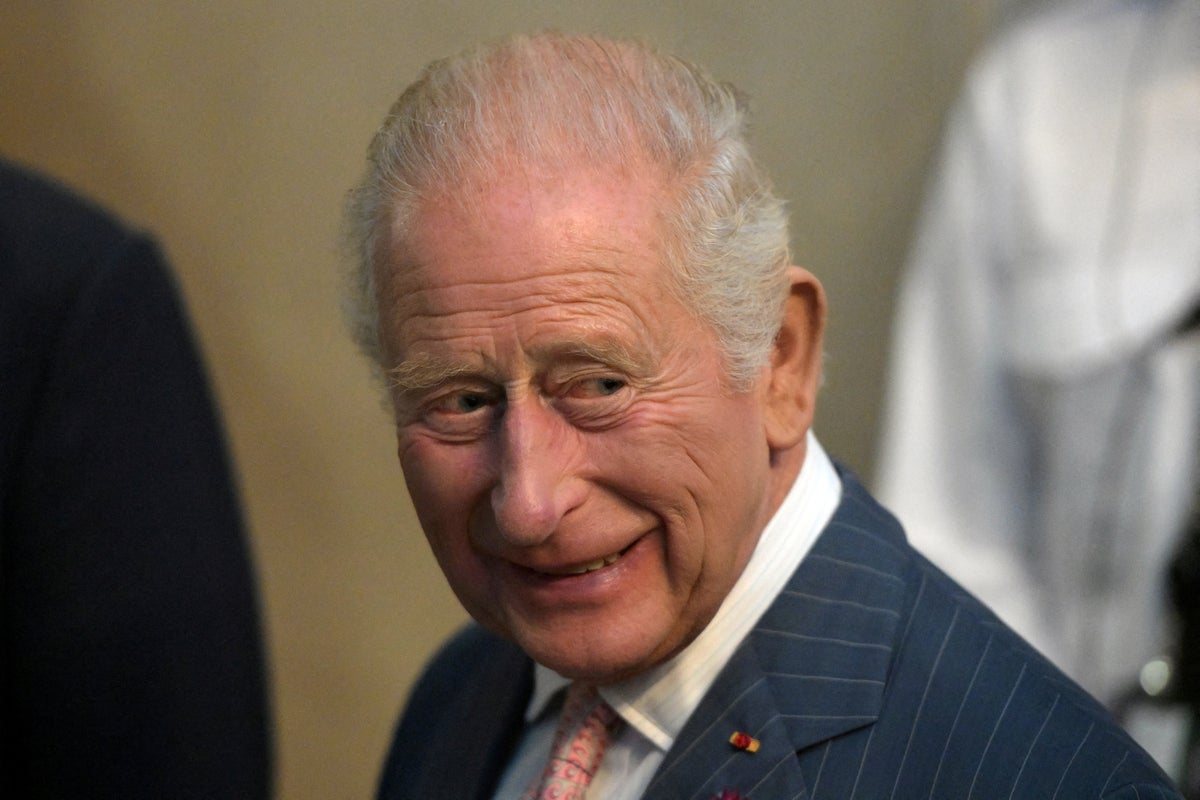
Public funds allocated to the King "could and should be directed elsewhere", a Labour MP has said as the Commons backed new royal financial arrangements.
On Monday, MPs unanimously authorised £99.9 million for 2027-28 to maintain royal palaces and fund official duties.
However, Brian Leishman voiced opposition to the spending at a time when "millions of people" are experiencing "intense suffering".
As MPs debated the draft law, Mr Leishman said his “sense of patriotism does not come from a flag, or an anthem, or the royal family”.
“When looking at the intense suffering millions of people are experiencing, I can’t help but feel that the Sovereign Grant money could and should be directed elsewhere, and not to a family that is worth an estimated £21 billion,” the MP for Alloa and Grangemouth added.
The Sovereign Grant Bill amends current legislation to scrap measures preventing funding from falling from one year to the next.
The royal household was previously set to receive £137.9 million in 2026-27, which included £97.6 million for core funding and £40.3 million towards the Buckingham Palace reservicing programme.
A temporary uplift to the grant was introduced across a 10-year period ending in 2027 to help fund those works.
This year, the Sovereign Grant has been reduced to £99.9 million, reflecting the completion of plumbing and wiring upgrades at Buckingham Palace.

Treasury minister Torsten Bell had earlier argued the Bill will “make it easier to respond where funding would otherwise become inappropriately low or inappropriately high”.
He added: “To support the monarch’s official duties, the Sovereign Grant funds the staff, official travel, property maintenance, and essential services required for the sovereign to fulfil their unique constitutional role.
“And that role extends beyond ceremonial functions, it includes hosting heads of state, supporting diplomatic engagements, representing the United Kingdom overseas and strengthening our relationships across the Commonwealth and indeed the world.
“These activities support UK interests, including trade, investment, and security.”
Liberal Democrat spokesman Bobby Dean said: “It is right that taxpayers will have questions about where and, importantly, who this money goes to.
“Having disgraced his title and office, the Government must ensure that not a penny of this grant goes to Andrew Mountbatten-Windsor.”
Deputy Speaker Caroline Nokes intervened to say: “We are going to stick to the scope of the Sovereign Grant Bill, which is very specifically only the amount of the Sovereign Grant and how it is to be determined in future years.
“(Mr Dean) will be aware that the grant goes to the King.”
Under the Bill, the percentage of the Crown Estate’s net profits that go towards the Sovereign Grant will be around 20.5%, rather than 12%.
It will be sent to the House of Lords for further scrutiny before it can become law.
KioskNews shows a cleaned-up reading view extracted from the publisher’s page — the original always lives on their site, not ours.