Measure Sabah’s development on benefits gained, not paper progress
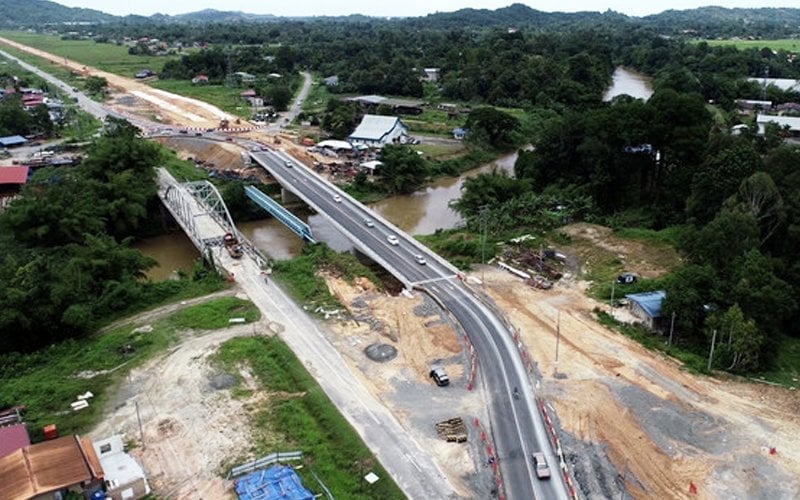
Actual benefits delivered to the people should be the yardstick by which Sabah’s development is measured, not the size of allocations or number of projects completed, analysts say.
They said there should also be performance audits to determine such progress or failures.

Ahmad Zaharuddin Sani Ahmad Sabri, an analyst at business consultancy Global Asia Consulting, said it was imperative that substantial allocations be matched by effective implementation.
Furthermore, there must be accountability for delays and failures in achieving objectives, he said.
“The real question is not how much money is allocated, but how many of the people’s problems have been resolved,” he told FMT.
Minister in the Prime Minister’s Department (Sabah and Sarawak affairs) Mustapha Sakmud said recently that requests for increased allocations should translate into faster and more effective implementation of projects.
Under Budget 2027, Sabah was allocated RM18.7 billion and Sarawak RM16.2 billion, each an increase of RM1.1 billion from the previous year.
Zaharuddin proposed that reports for every project be published every six months, detailing actual budget already disbursed, physical progress and the number of beneficiaries.
“Don’t just report that a project is 90% complete when the people have yet to benefit from it,” he said.

Lai Wei Sieng of Universiti Kebangsaan Malaysia (UKM) said roads, water and electricity supplies should be prioritised, as inadequate basic infrastructure raised both the cost of living and cost of doing business.
He said allocations should take into account poverty levels, geographical size and infrastructure shortfalls, with the more underserved rural areas receiving higher per capita funding.
Lai also proposed a public portal displaying project locations, contract values, contractors, implementing agencies, progress and funds disbursed, while residents should be allowed to verify whether completed facilities were functioning properly.
Who is responsible for project delays?
Lai said performance audits should identify the causes of project delays, including contractor failures, procurement problems or overlapping federal and state jurisdictions.
He proposed that the national audit department lead the audits, while the implementation coordination unit in the Prime Minister’s Department monitors project progress on site.
“Delays caused by approval issues should be recorded in the performance assessments of the officials responsible, while funds should be disbursed based on physical progress verified by independent engineers,” he said.
Zaharuddin said that for every major project, the person responsible for its implementation and progress must be made available to answer queries from the public.
He said contractors who failed to deliver should face penalties and be blacklisted in accordance with existing regulations.
Furthermore, he said, the federal and state governments should not blame each other when projects fail to be implemented.
“The federal government cannot use state autonomy as an excuse to shirk responsibility. Likewise, the state government cannot use federal failures to shield its own shortcomings,” he added.
Subscribe to our newsletter and get news delivered to your mailbox.
KioskNews shows a cleaned-up reading view extracted from the publisher’s page — the original always lives on their site, not ours.