What’s the difference between green, yellow and red capsicums? It’s more than what you see
Raw, grilled, roasted, stuffed – there are many ways to enjoy capsicums, also called bell peppers, sweet peppers or paprika.
Capsicums originated in Central and South America and belong to the nightshade family along with tomatoes and eggplants.
Like tomatoes, we consider capsicums a vegetable because they’re lower in sugar than most fruits and are usually eaten in savoury dishes. But botanically speaking, capsicums are a fruit – more specifically, a berry – because they develop from a flower and contain seeds.
Spicy chilli peppers such as jalapeño, bird’s eye and many others are also a type of capsicum. What makes these spicy is the molecule capsaicin, which activates heat and pain receptors on our tongue. Capsicums are sometimes called sweet peppers because they don’t contain capsaicin.
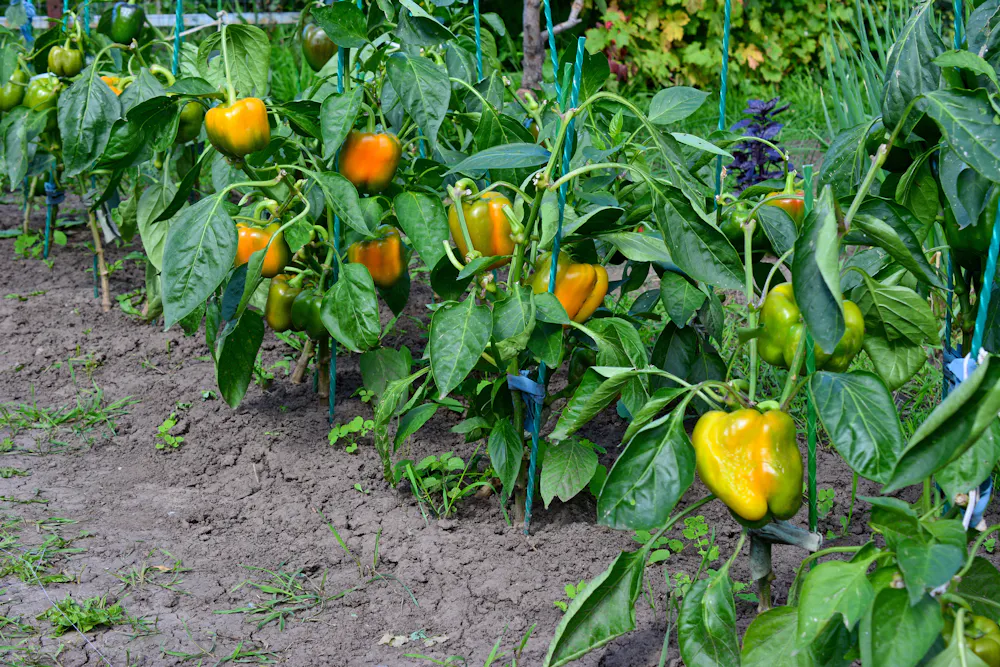
You might think green, yellow, orange and red are different types of capsicum, but they’re all actually the same fruit. All capsicums start out green, and their colour changes to yellow, then orange and finally red as they ripen.
But the difference between the colours isn’t just superficial – it affects nutrition, flavour and more.
The link between colour and flavour
First, let’s bust the myth that a capsicum with three bumps on the bottom is “male” and one with four bumps is “female”, and therefore sweeter. This is entirely false. Fruits don’t come with male and female parts the way flowers do. A capsicum will typically have two to five lobes (bumps). The shape mostly depends on the genetics of the plant and doesn’t affect the flavour.
But colour does affect a capsicum’s flavour because this reflects how ripe the capsicum was when it was picked.
A capsicum starts out green because it contains lots of chlorophyll, the pigment that makes plants green. Chlorophyll is the plant chemical of photosynthesis and makes energy for the capsicum to grow. As a capsicum ripens, chlorophyll breaks down and is replaced by carotenoids: yellow, orange and red pigments. Green capsicums also contain some carotenoids, but these colours are hidden by chlorophyll.
Green capsicums are ready to be picked about eight weeks after planting. Because they are not ripe, they are slightly bitter with a firm, crunchy texture. They suit stir-fries, fajitas, casseroles and add crunch to salads.
Yellow and orange capsicums are in the middle of ripening and are picked roughly two (yellow) and three (orange) weeks after green capsicums. These have a mild, sweet flavour. They are quite crisp when raw – great for adding colour to salads and lunchboxes. They soften when cooked, so are also good on the barbecue.
Red capsicums are the ripest, having stayed on the plant four weeks longer than green capsicums. They are the sweetest and richest in flavour, and the softest when cooked. They are excellent for roasting, soups and dips.

Colour affects nutrients too
All capsicums have several health benefits and are nutrient rich. They contain lots of vitamin C and antioxidants such as flavonoids, phenolic compounds and carotenoids. Capsicums are also a good source of fibre, which supports digestive health.
But there are differences in nutritional benefits based on colour, and whether you eat the peppers raw or cooked.
Carotenoids – particularly capsanthin, beta-carotene, lutein, violaxanthin and zeaxanthin – impact the colour of capsicums based on the proportions in which they’re present. All carotenoids and chlorophyll are antioxidants, but with different health benefits.
Green, yellow and orange capsicums are rich in lutein, violaxanthin and zeaxanthin. These are essential for eye health and protect against age-related macular degeneration and cataracts.

Orange and red capsicums have the highest vitamin C and beta-carotene. Beta-carotene gets converted to vitamin A in the body, which is important for good cell health, vision, and immune and cognitive functions.
Red capsicums contain the most capsanthin, the carotenoid with the strongest antioxidant activity. This protects our body’s cells against damaging free radical chemicals.
For all capsicums, cooking increases the availability of carotenoids and polyphenols but reduces vitamin C. For the greatest nutritional benefits, it’s best to eat a combination of raw and cooked capsicums of different colours.
In fact, eating a rainbow of fruits and vegetables provides many beneficial compounds. We have measured carotenoids in the skin using a non-invasive device to assess vegetable intake, because most Australians don’t eat enough fruit and vegetables.
All capsicums are good capsicums
It’s interesting to note a capsicum’s colour can also affect its price.
Green capsicums are usually the cheapest because they’re picked earlier, which makes them cheaper to grow. Red capsicums remain on the plant the longest, increasing growing costs. However, yellow capsicums are typically the most expensive, as they’re harder to grow with a shorter picking period.
A cheaper and equally healthy option is “imperfect” capsicums. Two-toned capsicums, for example part green and part orange, provide a greater mix of different carotenoids. Malformed capsicums are only imperfect in appearance, not flavour or health benefits.
Ultimately, all capsicums, whether red, green, yellow or orange, and raw or cooked, are a nutritious choice.
KioskNews shows a cleaned-up reading view extracted from the publisher’s page — the original always lives on their site, not ours.