George Lucas' Star Wars Sequel Trilogy Would've Been Even More Controversial Than Disney's

Once head of Screen Rant's Star Wars coverage and co-lead of Superheroes, Tom Bacon now works with the movies and books teams. He's a lifelong fan of the fantasy and sci-fi genres, and loves franchises such as Doctor Who and Marvel. You can find him on Twitter @TomABacon, on LinkedIn @tabacon, or on Muckrack under tombacon.
Tom has a wide range of interests, and he continues to serve his university as a volunteer chaplain. He's heavily involved with his local church, and anyone who checks him out on Twitter will swiftly learn he's into British politics too.
Sign in to your ScreenRant account
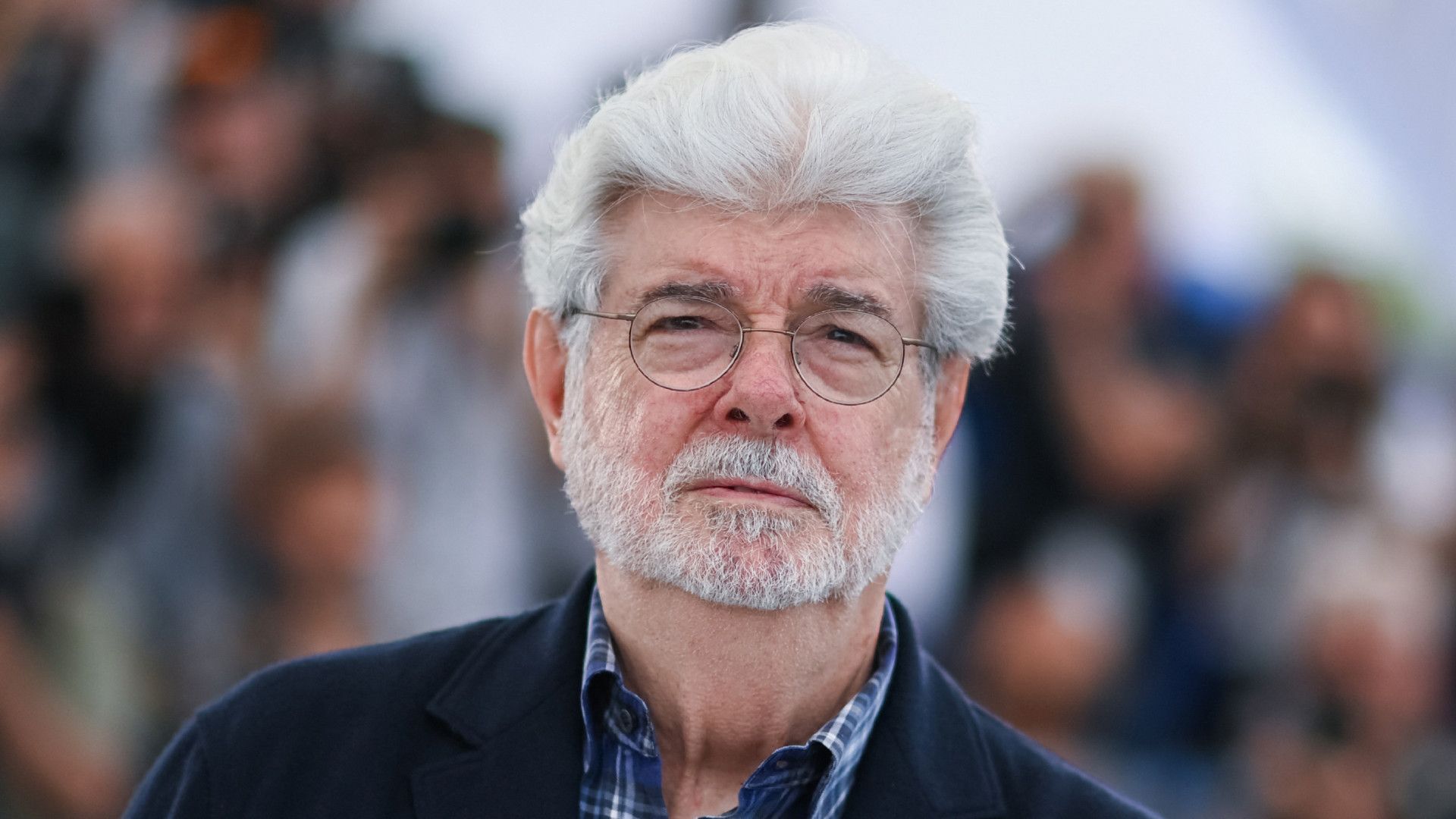
It's the ultimate "what if" question for Star Wars: would George Lucas' sequel trilogy have been any less controversial than Disney's? The Lucas Museum of Narrative Art fulfills a lifelong dream for George Lucas, even if it was exhausting. "Well, I'm 82," Lucas told Norah O'Donnell on CBS Sunday Morning. "When I did this, I decided to retire from making movies, which was a big deal because I had three more Star Wars to make. But I realized that I was running out of time, and I did want to make this museum, and I'd spent a lot of time developing digital technology for the movie business."
For many viewers, this was the first they'd heard of Lucas' Star Wars sequel trilogy plans. But Lucas has been talking about them for a long time; he discussed them in detail with Paul Duncan in The Star Wars Archives: Episodes I-III, 1999-2005. Lucas has always cultivated a reputation for being a masterplanner, but his ideas often shifted and changed. According to former Disney CEO Bob Iger, Lucas drafted scripts in the 2010s to try to bump up Lucasfilm's value to Disney. But would these have been any less controversial than the final Disney sequels?
Lucas' Sequel Trilogy Plans Would've Totally Broken The Star Wars Canon

For many old-school Star Wars fans, Disney's "original sin" predated The Force Awakens by a year. Two years after buying Lucasfilm, Disney announced that the old Star Wars Expanded Universe — a sprawling saga that embraced comics, novels, games, and so much more — was officially no longer canon. The core problem, of course, lay in the fact this locked Disney in too much; by this time, the EU had literally expanded to reveal events a full century after A New Hope.
But Lucas would have done exactly the same thing. Looking back, the real break in canon and continuity happened in The Clone Wars. When Lucas worked with Dave Filoni to introduce Mandalore and the Mandalorians in The Clone Wars, it didn't match at all with the version created by Star Wars author Karen Traviss. Looking back, I personally think this was the moment the EU's fate was sealed. Lucas was willing to honor the EU when he liked an idea (Coruscant itself was created by the legendary author Timothy Zahn). But he had no intention of letting it restrict him.
George Lucas Was Going To Double Down On His Most Controversial Idea
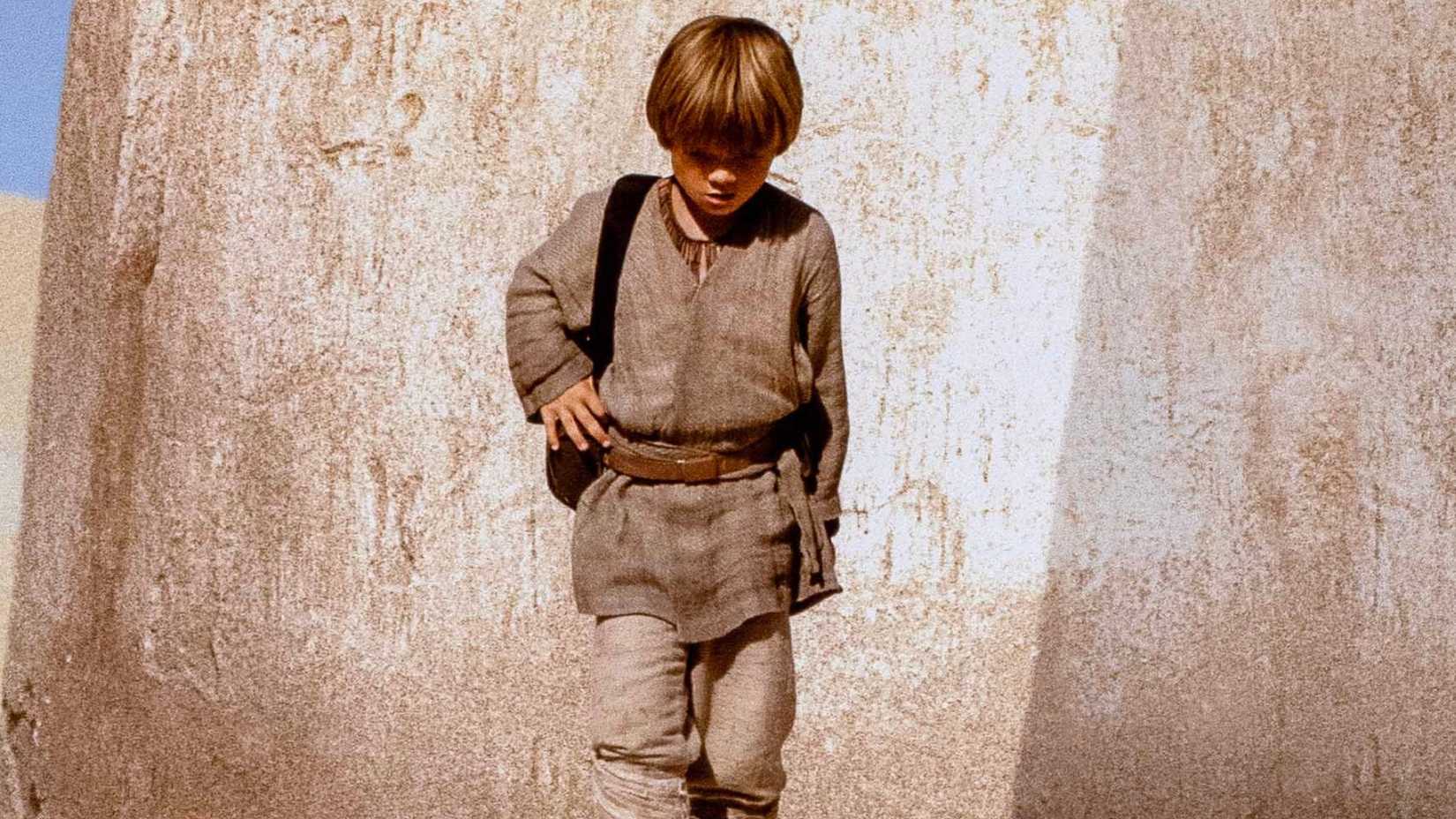
Writing in his autobiography The Ride of a Lifetime, Bob Iger hinted there was a reason Disney passed on Lucas' sequel trilogy; because he felt it would have repeated the controversy of the prequels. He had good reason to think this, because Lucas planned to return to an idea that had divided the entire fanbase: midi-chlorians, the symbiotic creatures that allow people to tap into the Force. These were introduced in The Phantom Menace, and Lucas told Paul Duncan he dropped them because they'd feel "self-indulgent."
"Everyone hated it in Phantom Menace [when] we started to talk about midi-chlorians," Lucas told James Cameron in an interview published in James Cameron's Story of Science-Fiction. "There’s a whole aspect to that movie that is about symbiotic relationships. To make you look and see that we aren’t the boss. That there’s an ecosystem... The next three Star Wars fmovies] were going to get into a microbiotic world. there’s this world of creatures that operate differently than we do. I call them the Whills. And the Whills are the ones who actually control the universe. They feed off the Force."
Midi-chlorians shocked the entire fanbase in The Phantom Menace, because many felt they stripped the Force of its mysticism. Rather than abandon this idea, though, Lucas intended to explain it. "Back in the day, I used to say ultimately what this means is we were just cars, vehicles for the Whills to travel around," Lucas told Cameron. "We’re vessels for them. And the conduct is the midi-chlorians. The midi-chlorians are the ones that communicate with the Whills. The Whills, in a general sense, they are the Force." It would have been the biggest change in our understanding of the Force since A New Hope.
Darth Maul Would've Been The Villain Of Lucas' Sequels

Many viewers were shocked when Darth Maul returned at the end of Solo: A Star Wars Story. General audiences couldn't understand it; the last time they'd seen Maul, earlier in the timeline, he'd been cut in half by Obi-Wan Kenobi in The Phantom Menace. But Maul's resurrection was a Lucas decision, not a Disney twist; Star Wars' creator quickly realized he'd made a mistake killing off Maul, and brought him back in The Clone Wars.
Back in 2018, Darth Maul immediately trended on social media as viewers discussed the Sith Lord's resurrection (all the more remarkable given Solo wasn't exactly a box office hit). It didn't take long for a general consensus to emerge: that this was symptomatic of Star Wars' greatest flaw, a transmedia approach that meant an actual movie twist didn't make sense unless you were familiar with an animated spinoff too.
But Lucas had always planned to go one step further. Darth Maul would have been the villain of his actual sequel trilogy, now a crime boss with a sexy Twi'lek Sith as his apprentice. Disney abandoned big screen plans for Maul after Solo, although some of Lucas' ideas now seem to have been incorporated into the animated Maul - Shadow Lord series. Now imagine Maul as the centerpiece of the entire sequel trilogy. Solo's confusion would have been nothing compared to this.
Lucas' Sequel Trilogy Would Have Passed On The Torch

"The original saga was about the father, the children, and the grandchildren," Lucas explained in a speech at the 2015 Tribeca Film Festival. Given Jedi don't marry, Lucas presumably intended his sequels to be all about Leia and Han's children. There have been different accounts of what he meant by that; J.J. Abrams has suggested Lucas planned for "teenagers," while Lucas himself told audiences at the festival they'd have been in their '20s. "So it wasn't The Phantom Menace again," he protested.
While it's true grandchildren would have been a more natural fit for the generational saga than Rey, one core issue remains: like the real sequels, this would have been an attempt to pass the torch on to a new generation of heroes. The old Expanded Universe had tried to do that with the Solo children as well, but it had consistently failed, meaning Han, Luke, and Leia kept being drawn back into the limelight despite one desperate attempt to move on after another. There's no reason to assume Lucas' sequels would have been any less controversial.
Making matters worse, The Art of Star Wars: The Last Jedi contains sequel trilogy concept art dating back to before the Disney sale. In one piece, Lucas' sequel trilogy protagonist (a girl called Kira) sought out the exiled Jedi Master Luke Skywalker, who was hiding out at a Jedi Temple on a distant planet. Luke's exile was one of Disney's most divisive decisions, and it was straight from Lucas.
More shocking still, Pablo Hidalgo's Star Wars: Fascinating Facts confirms Lucas intended Luke to die in Episode VIII too. "Years before The Last Jedi began development, the treatment left behind by George Lucas in 2012 also had Episode VIII be the one wherein Luke Skywalker would die," he writes. Luke Skywalker's death was literally a Lucas idea for the sequels.
George Lucas' Star Wars Sequels Would Have Been Controversial Too

It's so easy for Star Wars fans to assume Lucas' sequels would have been better. We'll never know, but one thing is certain; Lucas himself is no stranger to controversy (just look at the backlash to the prequels). From the little we do know, Lucas' sequels would have torn the fanbase apart in a very similar way to Disney's. Given that's the case, it's not at all hard to see why Lucas eventually decided to move on and sell Star Wars to Disney.
- TV Show(s)
- The Mandalorian, Andor, Obi-Wan Kenobi, The Book of Boba Fett, Ahsoka, The Acolyte, Star Wars: Skeleton Crew, Lando, Star Wars: The Clone Wars, Star Wars Rebels, Star Wars: The Bad Batch, Star Wars: Resistance, Star Wars: Young Jedi Adventures, Star Wars: Visions
- Video Game(s)
- Star Wars: Knights of the Old Republic, Star Wars: Knights of the Old Republic II - The Sith Lords, Star Wars Battlefront (2015), Star Wars: Battlefront 2 (2005), Star Wars: The Force Unleashed , Star Wars: The Force Unleashed II, Star Wars Jedi: Fallen Order, Star Wars Jedi: Survivor
- First Film
- Star Wars: Episode IV - A New Hope
- Cast
- Mark Hamill, James Earl Jones, David Prowse, Carrie Fisher, Harrison Ford, Daisy Ridley, Adam Driver, Ian McDiarmid, Ewan McGregor, Rosario Dawson, Lars Mikkelsen, Rupert Friend, Moses Ingram, Frank Oz, Pedro Pascal
- Created by
- George Lucas
- Movie(s)
- Star Wars: Episode I - The Phantom Menace, Star Wars: Episode II - Attack of the Clones, Star Wars: Episode III - Revenge of the Sith, Star Wars: Episode IV - A New Hope, Star Wars: Episode V - The Empire Strikes Back, Star Wars: Episode VI - Return of the Jedi, Star Wars: Episode VII - The Force Awakens, Star Wars: Episode VIII - The Last Jedi, Star Wars: Episode IX- The Rise of Skywalker, Rogue One: A Star Wars Story, Solo: A Star Wars Story, Star Wars: The Clone Wars, Star Wars: Dawn of the Jedi, Star Wars: New Jedi Order
KioskNews shows a cleaned-up reading view extracted from the publisher’s page — the original always lives on their site, not ours.