Why Once Upon A Time In The West’s Opening Scene Is One Of The Best In Western Movie History
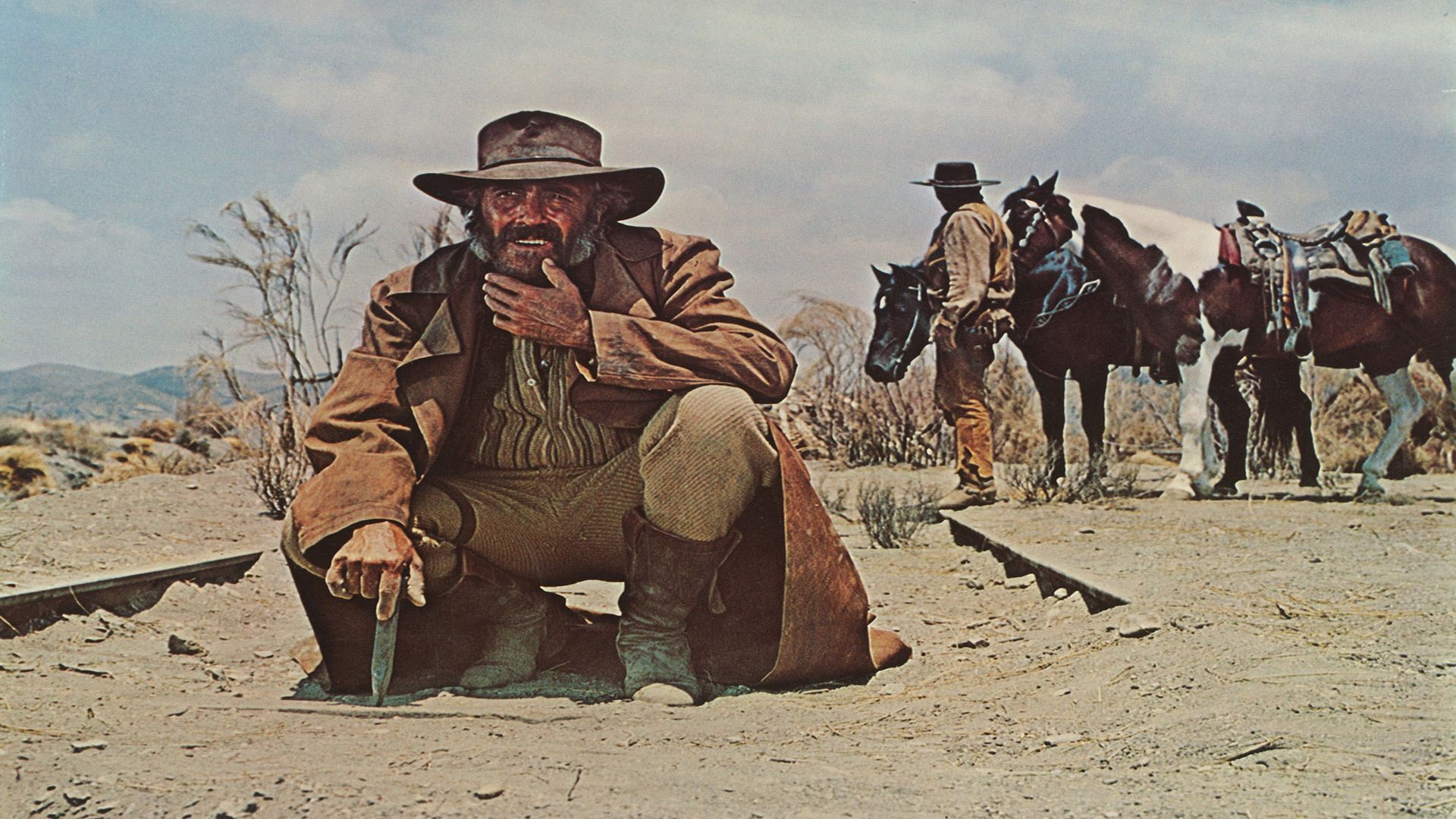
Once Upon A Time In The West’s First 15 Minutes Are A Near-Perfect Western Movie On Their Own

August is a freelance film writer. She studied journalism and cinema at American University. She is a member of the journalism honor society, Kappa Tau Alpha. August has written for various networks and publications, including PBS, Gargoyle Magazine, TheThings, and Identity Theory Magazine. Before returning to entertainment writing, August worked in the Automotive section of U.S. News & World Report. In her free time, August enjoys watching movies in theaters, watching movies at home, listening to podcasts about movies, reading books about movies, watching video essays on movies, talking about movies, thinking about movies, and doing crosswords.
As the sun set on the Golden Age of the Hollywood western, Spaghetti Westerns rode into town, and changed the game. These features muddied the moral waters of traditional westerns, introducing gritty plots and morally grey protagonists. Italian filmmaker Sergio Leone was at the forefront of this cinematic movement. His Dollars trilogy cemented the rising subgenre, and his seminal 1968 epic brought it toward a grand finale.
Leone created Once Upon A Time In The West as a farewell to the waning Western genre and frontier era. The expanding railroad made cowboys irrelevant and pushed them into the role of bygone heroes. The nearly three-hour epic follows a deadly struggle over frontier land rights. In the ownership battle, Harmonica represents widow Jill McBain, who has a stake in the land. The odious gunslinger Frank represents his employer, who wants to develop a railroad on the land.
Charles Bronson leads the cast as the central antihero, Harmonica. He represents the old west, and ignores ethical standards to pursue justice at any cost. Italian starlet Claudia Cardinale portrays the McBain widow. Meanwhile, Henry Fonda occupies the unsavory character of Frank, in a brilliantly subversive casting. All of Once Upon A Time In The West is incredible, but its first 15 minutes are perfect.
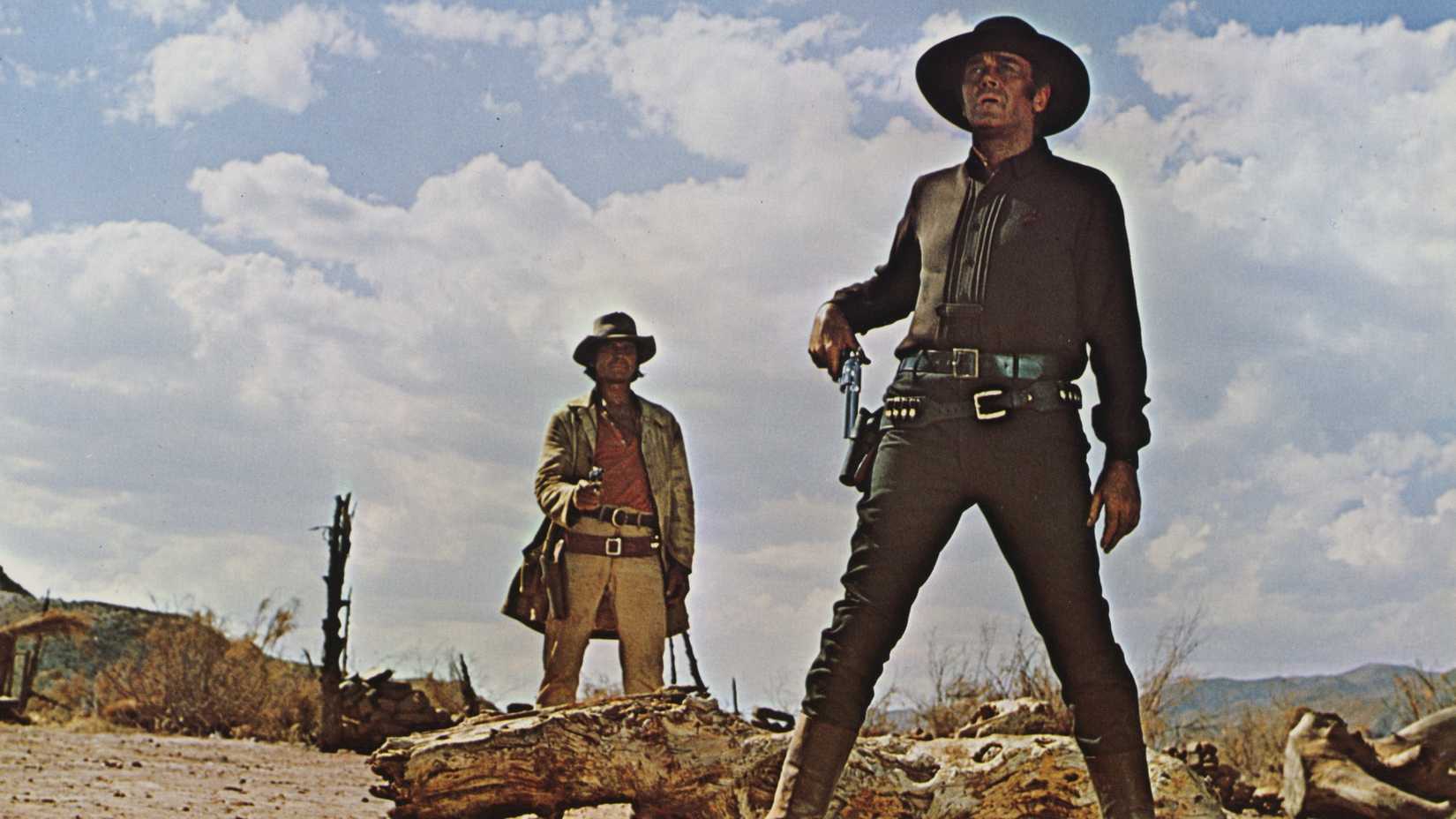
Leone’s Once Upon A Time In The West is one of the greatest Westerns of all time. It influences directors to this day, including Quentin Tarantino (via Far Out Magazine). In an ambitious genre exercise, Leone creates a self-aware movie that acknowledges and bids farewell to its own genre. Leone employs visual and textual references to Western cinematic language, becoming self-referential at times. Once Upon A Time acknowledges the mythologization of the Western genre, and acts as its own western storybook.
The film’s themes of economic progress vs. tradition are both poignant and timeless. It complicates our understanding of heroes, wickedness, and goodness. By disregarding ethics, audiences must consider what is truly right and wrong. Leone asks how far one can justly go in service of what they deem to be ‘right.’
Finally, Once Upon A Time is expertly crafted. The slow-burn Western effortlessly invites audiences into its rich world and narrative. It effectively builds atmosphere and tension throughout its runtime, making the final twist both shocking and earned. Leon's storytelling mastery is made immediately clear through the legendary opening sequence.
How That Opening Scene Is A Perfect Mini-Movie

The 1968 movie epic takes its time with its opening. Leone deftly paces the 15-minute sequence to establish a narrative arc. Rhythmic editing and sound design builds a clear rising action, climax, and conclusion.
The film quietly opens on three criminals idling at a desolate train station. The camera sits with each man in turn, quietly revealing their dispositions and intentions. One carefully captures a fly in the barrel of his gun. Another collects water in the top of his worn hat and gently drinks from it. There is no music, only the diegetic sounds of the isolated setting.
A metal wind turbine creaks, a fly buzzes, water drips. We wait. Finally, a train roars past and behind it stands the man we have been waiting for—Harmonica. The editing quickens as the men face-off across the tracks, and light music sets in. The men's conversation unravels between the lines.
Harmonica asks if the men brought him a horse (if they plan to kill him). They make their murderous intentions clear with the retort, “Looks like we’re shy one horse.” Harmonica solemnly shakes his head—“You brought two too many.” With this, he instantly shoots and kills each man, sustaining only a minor wound. Following this fast-paced climax, the editing slows. Harmonica collects himself and rides off toward the rest of the story. Finally, a shaky hand-held scene of a man shooting birds contrasts the otherwise steady intro and brings the sequence to a close.
This opening smartly trusts its audience to observe the world quietly revealing itself to them. No information is explicit, but everything is clear. The scene tells viewers about the abandoned land on the edge of progress, the disrupting train and what it means for the irrelevant cowboy. It also perfectly introduces the ruthless attitudes of Harmonica and Frank, though the latter is absent in the scene. As such, the first 15 minutes of Once Upon a Time in The West are a blueprint for masterful storytelling.
KioskNews shows a cleaned-up reading view extracted from the publisher’s page — the original always lives on their site, not ours.