The Ukrainian GCSE is great – but there’s another language a million people are waiting for
Yesterday, when we woke up to the news that four years after their arrival in the UK, Ukrainian children will have a Ukrainian GCSE, I was reminded of that adage “two things can be true at the same time”. I was overjoyed that Ukrainians who endure the unimaginable at the behest of monster Putin will have their language valued in our exam system.
But I felt simultaneously let down by an education system that has consistently obfuscated and fed half-truths to a 1-million-strong Romanian and Moldovan community who have asked for a GCSE in their language for over a decade.
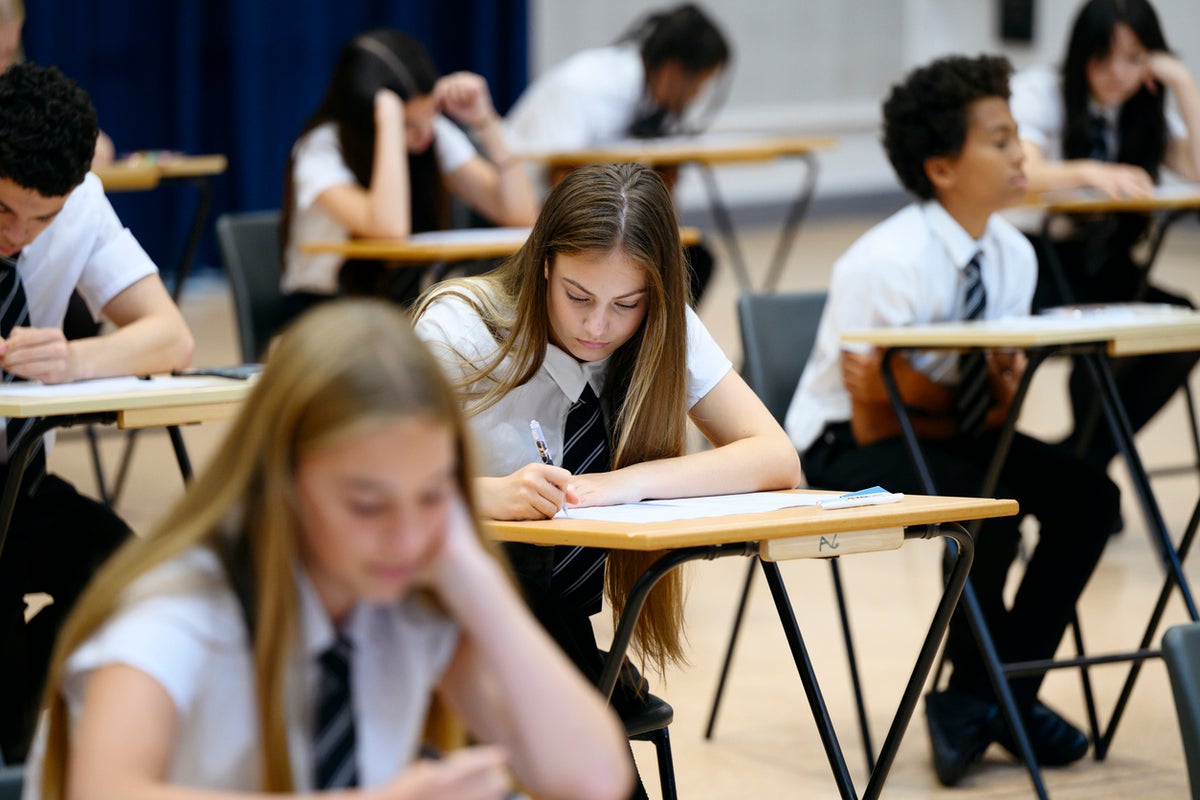
There are 20 foreign language GCSEs; in 2028 there will be 21. The UK’s 10 most spoken languages all have a GCSE, except Romanian, which is Britain’s second most spoken foreign language after Polish. Thousands of Romanians have written to their MPs asking for their language to be treated as an equal, and the response from the Department for Education (DfE) is always the same – it is not a political decision. “Decisions about which languages to offer at GCSE in England are taken by four independent awarding organisations.”
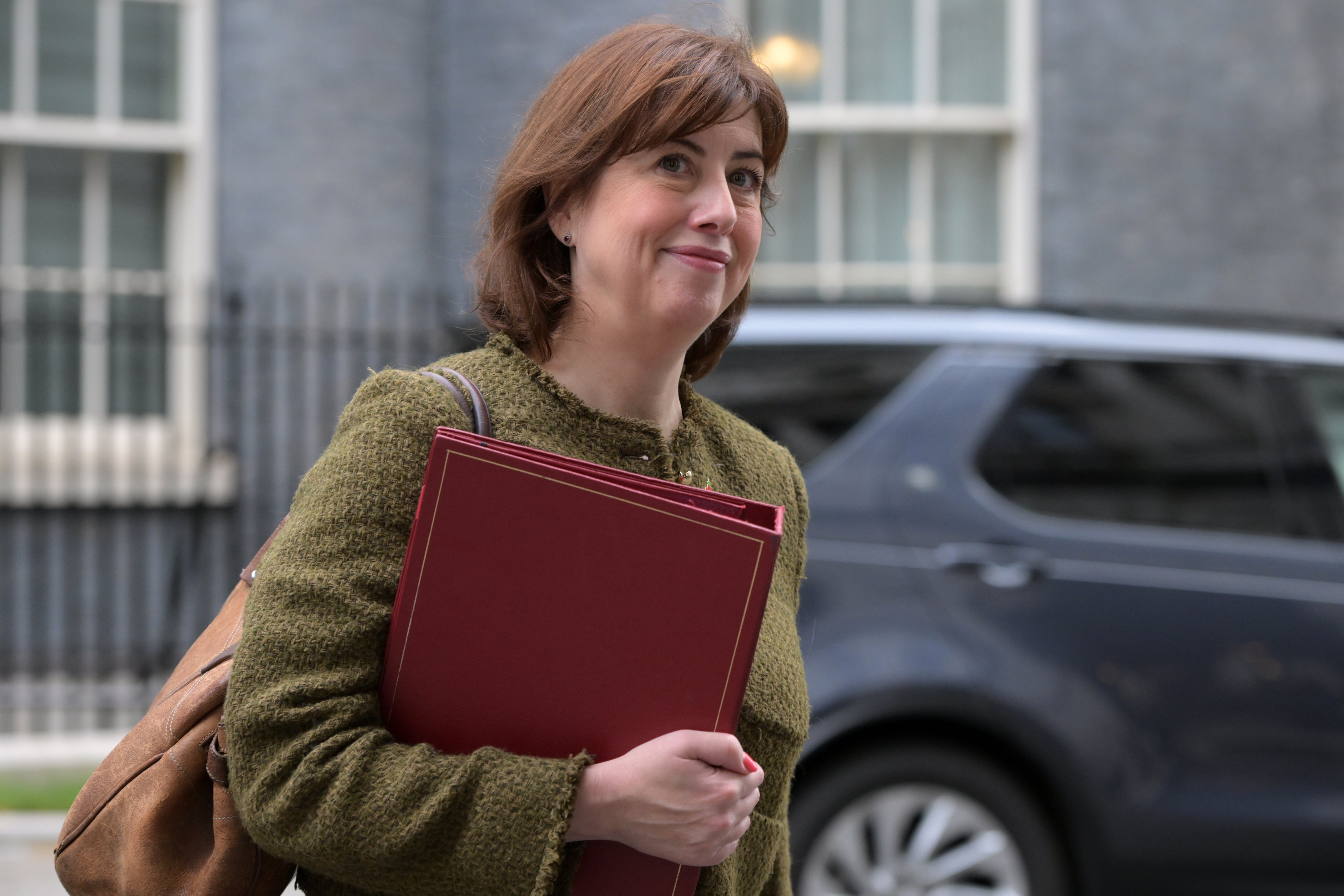
So why did Lucy Powell write on X that she “was proud to announce” students in England would be able to study Ukrainian? It was hailed a “landmark qualification” that would “help pupils preserve their language and cultural heritage while opening doors to future opportunities”. Exam board AQA emailed me to explain: “We were asked by the DfE to develop a GCSE in Ukrainian in recognition of the exceptional circumstances of the Ukrainian community in the UK who have fled a war.”
So apparently the Labour government can be forward-thinking about identity when it is wrapped in a war package, not so when it comes to Romania – a country that has forever been the whipping boy of European migration – it was Nigel Farage who infamously said he would be ‘concerned’ if Romanian men moved next door.
Of course we must continue to support Ukraine’s fight against Russia; I celebrate their GCSE. But I condemn the fat untruth that decisions about new language qualifications are not political, which the Department of Education pushes on Romanians and Moldovans. While our government gaslights this 1-million-strong community, the introduction of a Ukrainian GCSE spoken by far fewer pupils suggests that Putin is the ultimate arbitrator of new GCSEs based on the countries he decides to invade.
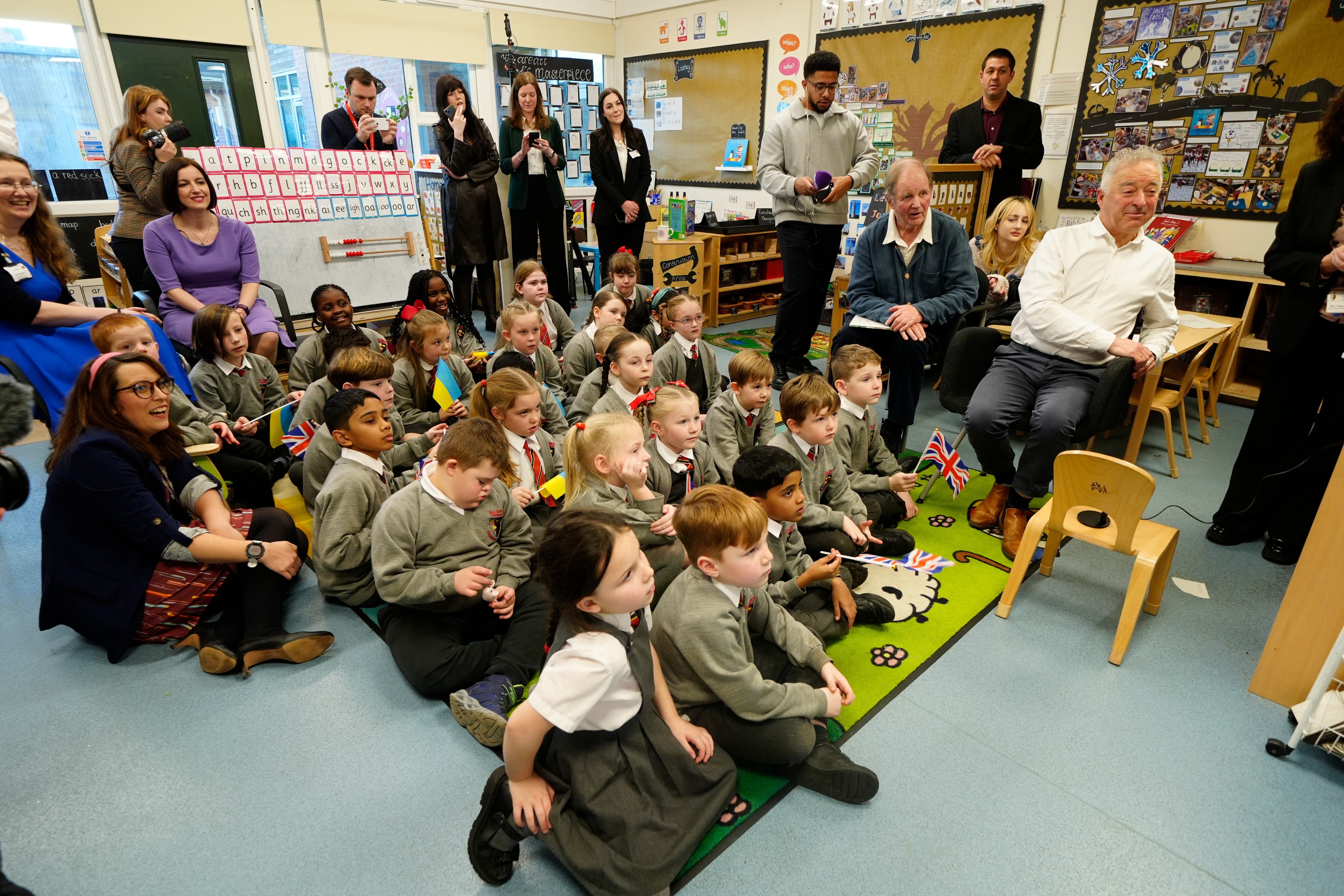
And if we are playing geopolitics with the exam system, then Romanian is a slam dunk. The Republic of Moldova sits under Russia’s armpit; a proxy Russian military sits on its eastern flank in Transnistria, and Russia distorts their politics with disinformation on a daily basis. Yesterday, schools minister Georgina Gould apologised to Ukrainian children who were offered Russian at GCSE. What about an apology (and a GCSE) for their Moldovan neighbours?
In Romania, the 2024 presidential election was cancelled because of Russian interference and the country is awash with anti-Ukrainian propaganda – it will be a challenge to keep the hard right out of the presidential office in 2028, in a country upon which Nato depends to shore up its eastern front. Thousands of Ukrainians have found refuge in Romania, where drone attacks are frequent. But somehow it’s Russia’s incursions against Poland that get the majority of the coverage – Poland also has a GCSE.
In the UK, we have an exciting new cohort of British-Romanian children growing up in our schools; they are part of our pro-Europe future
It shouldn’t be either/or for Britain’s two most spoken foreign languages. Caleb Dodd, a Citizenship Teacher in Leeds’s Coop Academy, struggles to explain to his 200-strong Romanian cohort why they have no GCSE. Previously, he stumbled towards saying “the Department for Education aren’t adding new languages to the curriculum.’’ But now that is no longer true, he says “it will be hard for them not to conclude that they’re not as valued as others”.
The optics are awful: Dodd’s multinational pupils every summer look forward to taking Urdu, Polish, Arabic and Punjabi and in 2028 they’ll be joined by one Ukrainian pupil, but the largest cohort, Romanians, will slump back, unseen. These are the children of our hardest-working foreign national diaspora. This summer Bournemouth University conducted extensive mapping of Britain’s Romanian community; the findings were definitive – Romanians were the most economically active migrant group, with 80.4 per cent in work and just 0.6 per cent of Romanian adults inactive due to illness or disability.
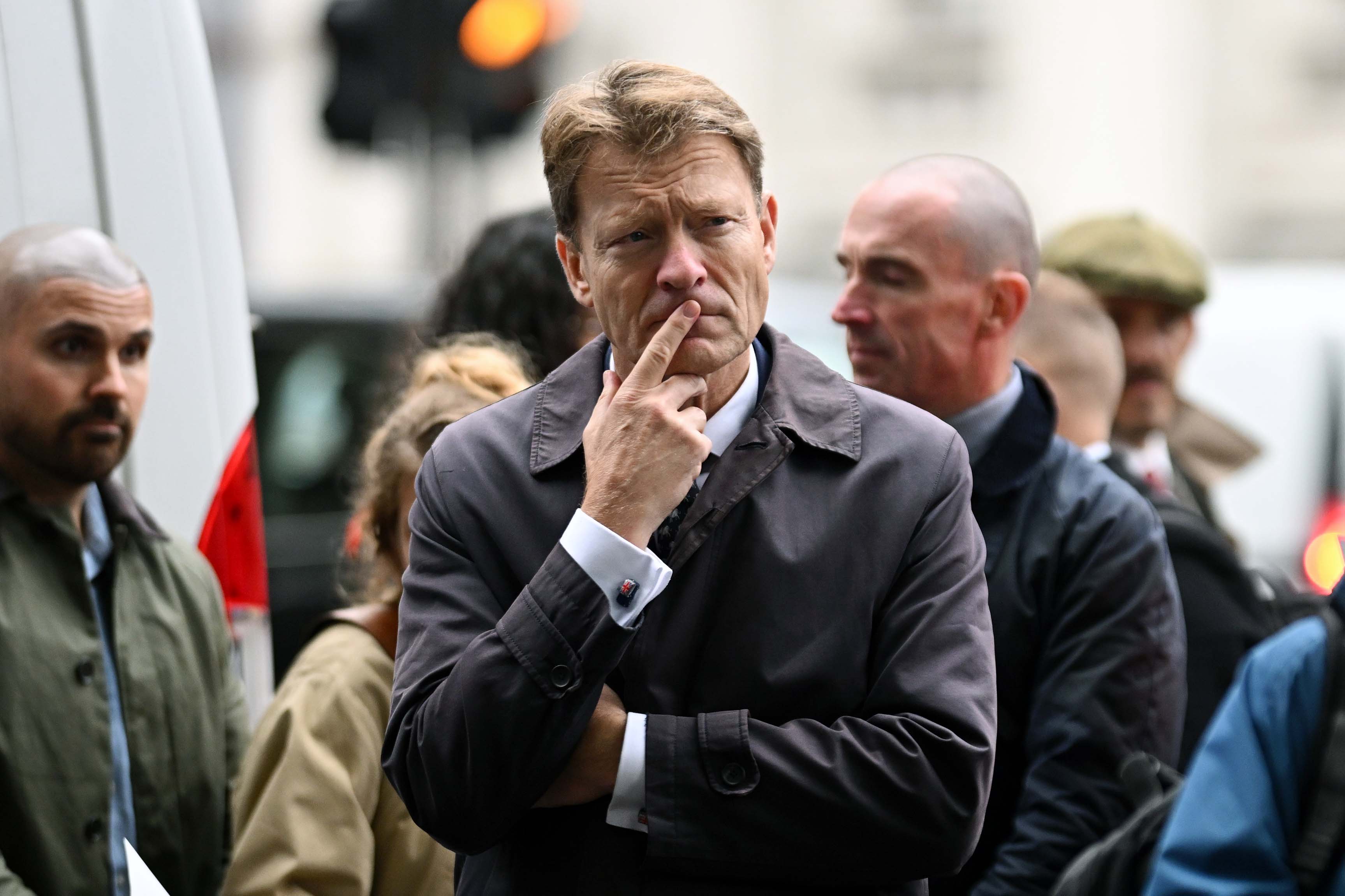
But the political trolling persists: when I messaged Reform MP Richard Tice about our Romanian GCSE (thousands of Romanians live in his Boston and Skegness constituency), he replied: “So what’s your interest in Romania. The issue we have is a huge number here to claim benefits, not work!”
Regarding my own interest in Romania, I have half-Romanian children and have worked and studied and been actively engaged in the country for 30 years. Over a century ago, Britain helped push Romania onto our side in the First World War while simultaneously demeaning their soldiers as prone to “excitability, instability, venality, and unreliability”. Today, the continued marginalisation of Romania suggests our attitude hasn’t changed much. Meanwhile, Romania has changed hugely. The country boasts a growing economy, a vibrant tech sector, is the eighth-largest country in the EU and would be a really easy win for prime minister Andy Burnham in his new European push.
In the words of British Romanians’ most loyal political ally, Labour MP for Harrow West Gareth Thomas, a Romanian GCSE would not only eradicate “a glaring omission from the list of optional GCSEs” but would also “help the UK develop valuable linguistic expertise for stronger economic and diplomatic ties with Romania and Moldova.”
In the UK, we have an exciting new cohort of British-Romanian children growing up in our schools; they are part of our pro-Europe future, and many will be coming to our Romanian identity and GCSE campaigning day in Leeds this Friday. How do we explain to them that, unlike Polish, Ukrainian, Portuguese, Arabic, Urdu (I could go on), their language doesn’t count?
To express support please visit www.romaniangcse.co.uk
Join the supporters this Friday, 2pm, Bridge Community Centre, Leeds for Romanian food and fun
KioskNews shows a cleaned-up reading view extracted from the publisher’s page — the original always lives on their site, not ours.