Maharashtra announces drought in 265 of 358 sub-districts
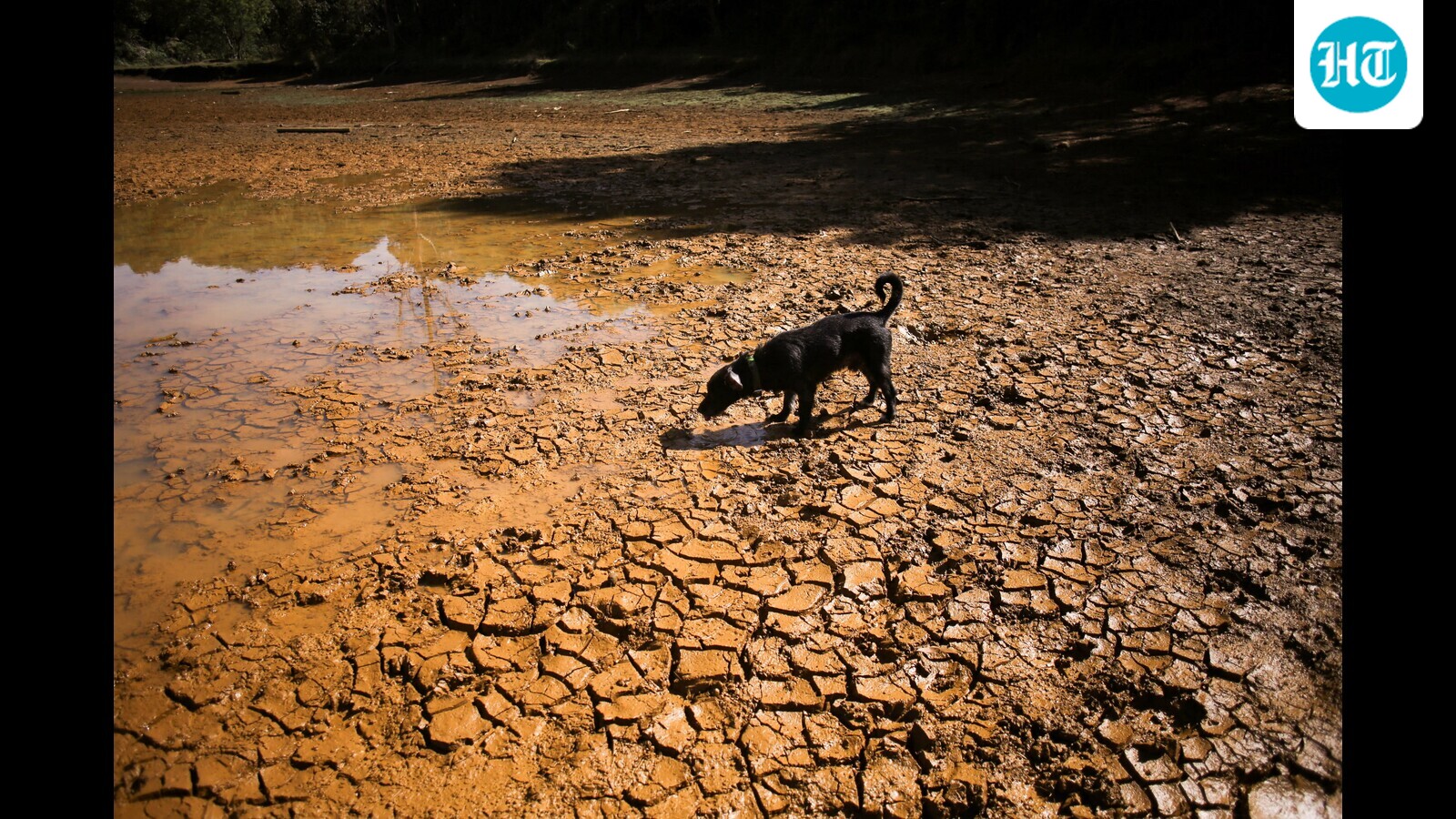
As more than 34 of 36 districts reel under an acute water shortage due to deficient rainfall, the Maharashtra government on Saturday declared drought in 265 of the 358 sub-districts, or 74% of the sub-districts, across the state. The prevailing situation in these sub-districts fulfils the Trigger-I (first alert) criteria under the Drought Management Code.
The state government issued the much-awaited government resolution (GR) on Saturday, announcing a package of 12 measures and concessions for drought-affected farmers. The decision was taken based on the Agriculture Commissioner’s assessment of rainfall deficiency and other drought-related indicators up to September 24.
The declaration covers 265 sub-districts spread across 34 districts, covering large parts of Marathwada, Vidarbha, western Maharashtra, northern Maharashtra and parts of Konkan. Among the districts with a substantial number of affected sub-districts are Yavatmal (16), Jalgaon (15), Nanded (14), Amravati (14), Ahmednagar/Ahilyanagar (14), Nagpur (14), Buldhana (13), Chandrapur (12), Solapur (11), Beed (11), Nashik (10), Latur (10) and Chhatrapati Sambhajinagar (9).
Vidarbha, which comprises 11 districts, has the highest number of affected sub-districts at 95, followed by Marathwada, which comprises eight districts and has 74 affected sub-districts, and northern Maharashtra, which has 49 affected sub-districts. Pune has 35 affected sub-districts, while Konkan has only 12 sub-districts hit by drought.
As part of the announcement, the government has decided to extend a package of 12 measures and concessions to the drought-affected areas. They include concessions in land revenue, restructuring of crop loans, deferment of recovery of agriculture-related loans, and concessions in current electricity bills for agricultural pumps. Farmers in these talukas will also be entitled to a waiver of examination fees for their school and college students, as well as relaxations in norms under NREGS works that provide rural employment.
The state government has also assured that tankers will be deployed for drinking water, electricity to agricultural pumps will not be disconnected, food grains and fodder for livestock will be arranged, water will be provided for livestock, and more water conservation works will be undertaken.
The government directed district collectors to immediately begin crop Panchanama in the affected sub-districts. During the survey, officials have been asked to collect photographs and GPS coordinates of the affected crop areas and submit crop-condition reports to the government through the agriculture commissioner.
Importantly, the GR does not announce crop-loss compensation at this stage. It says that assistance to farmers for damage to kharif crops in the 265 drought-affected talukas will be announced through a separate government decision after completion of the prescribed procedure.
The drought declaration is particularly extensive in Marathwada and Vidarbha. In Marathwada, the affected sub-districts include nine in Chhatrapati Sambhajinagar, eight in Jalna, 11 in Beed, 10 in Latur, eight in Dharashiv, 14 in Nanded, nine in Parbhani and five in Hingoli.
In Vidarbha, the GR lists 13 sub-districts in Buldhana, 14 in Amravati, seven in Akola, six in Washim, 16 in Yavatmal, seven in Wardha, 14 in Nagpur, three in Bhandara, one in Gondia, 12 in Chandrapur and two in Gadchiroli.
Western Maharashtra also has a significant number of affected sub-districts, including eight in Pune, 11 in Solapur, four in Sangli, six in Satara and six in Kolhapur. In north Maharashtra, the list includes 10 talukas in Nashik, four in Dhule, 15 in Jalgaon, six in Nandurbar and 14 in Ahilyanagar.
“The government order is based on the agriculture commissioner’s report dated September 24, 2026, and invokes the drought-assessment procedure prescribed under the state’s drought management framework,” the GR said.
Drought was declared after a government assessment found that the Trigger-I indicators prescribed under the Drought Code, including a dry spell of more than 21 days and a rainfall deficit of over 25%, had been met.
The opposition, however, raised questions over the implementation of the announcements. “Apart from the relief to farmers, the government should also announce relief to the urban parts of the state, as inflation is bound to increase and industrial areas are likely to face the impact of the drought,” said Shiv Sena-UBT leader Aaditya Thackeray.
Farm activist and former MP Raju Shetti said, “The mere announcement is not sufficient. The farmers should immediately get the money in their hands. The state government had announced a relief package of ₹31,000 crore after last year’s downpour, but the farmers have hardly got anything out of it.”
KioskNews shows a cleaned-up reading view extracted from the publisher’s page — the original always lives on their site, not ours.