10 Classic Sci-Fi Shows That Are Better Than Modern Streaming Originals

Diego Pineda has been a devout storyteller his whole life. He has self-published a fantasy novel and a book of short stories, and is actively working on publishing his second novel.
A lifelong fan of watching movies and talking about them endlessly, he writes reviews and analyses on his Instagram page dedicated to cinema, and occasionally on his blog. His favorite filmmakers are Andrei Tarkovsky and Charlie Chaplin. He loves modern Mexican cinema and thinks it's tragically underappreciated.
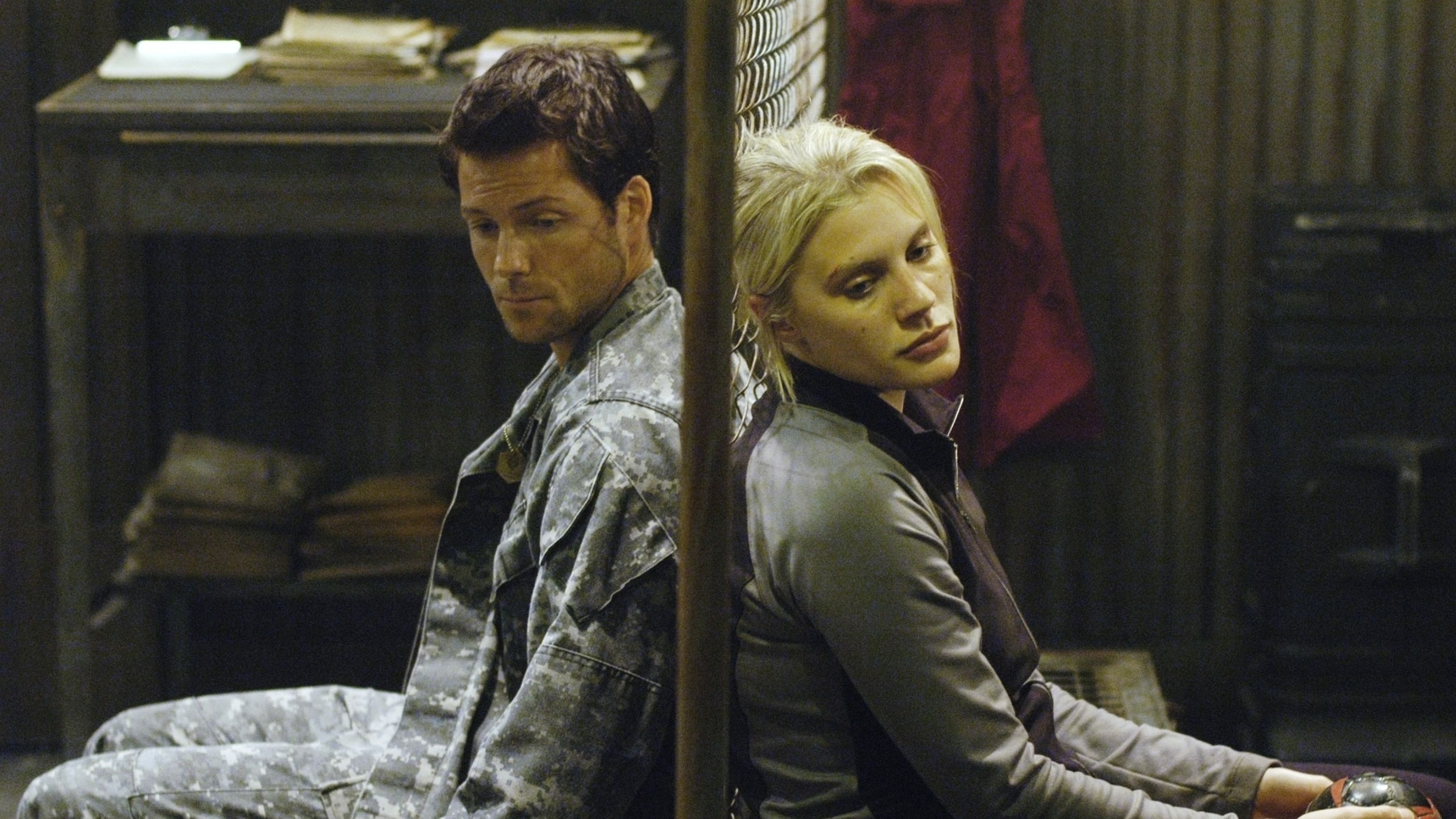
Other interests of Diego's include reading, gaming, roller coasters, writing reviews on his Letterboxd account (username: DPP_reviews), and going down rabbit holes of whatever topic he's interested in at any given point.
Sign in to your Collider account
There's nothing quite like the classics. As the streaming era has led television as a whole to evolve in ways nobody could have predicted a couple of decades ago, so too has small-screen science fiction transformed in several ways, leaving behind the days of classic sci-fi TV. But as powerful, high-quality, and undeniably cinematic as many sci-fi shows from the streaming era are, there are several classics which are simply unbeatable.
For the purposes of this list, any show that began before the advent of streaming in the 2010s, and which never became a streaming show (which discounts gems like Black Mirror and Futurama), will be considered a potential classic. However, age is only the first step. A true sci-fi classic is that which has had a great impact and influence on the genre, one so great and so pop-culturally relevant that it can be considered a must-see.
10 'The Prisoner' (1967–1968)
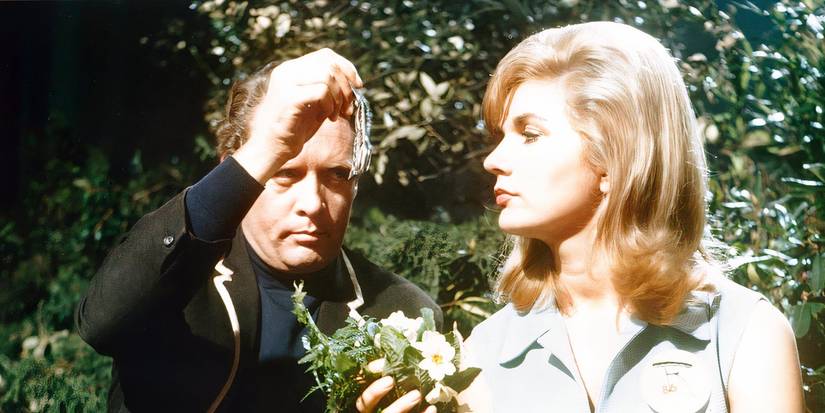
While working on the spy series Danger Man, Patrick McGoohan and George Markstein came up with the idea for The Prisoner. It's widely disputed whether McGoohan is the show's primary creator or the pair share true co-creator status, but one thing remains certain: This is one of those near-perfect sci-fi shows that nobody remembers anymore, a testament to the genius of British sci-fi storytelling.
Praised for its psychological depth, surreal brilliance, and avant-garde sensibilities, The Prisoner was absolutely revolutionary back in the '60s, pioneering auteur-driven television decades before it became the norm. It's both a deep countercultural allegory and one of the most entertaining sci-fi spy shows ever made, with a cryptic series finale that's among the most memorable in the genre's history.
9 'Fringe' (2008–2013)

After a brainstorming session at a Comic-Con while they were working on 2009's Star Trek, J. J. Abrams, Roberto Orci, and Alex Kurtzman came up with the idea for Fringe, one of the best spooky cop shows of all time. What started out as more of an episodic procedural inspired by the likes of The X-Files and The Twilight Zone soon turned into something far more serialized and creative.
The show knew exactly how to take full advantage of the constraints of network television in all the best ways, and it constantly demonstrated that mastery throughout its run. Instead of a regular "monster-of-the-week" procedural that might have gotten buried after a couple of seasons, Fringe proved that mysteries which seemed to be standalones could actually lay down the foundations for a much richer, more engaging multiverse.
8 'Stargate SG-1' (1997–2007)
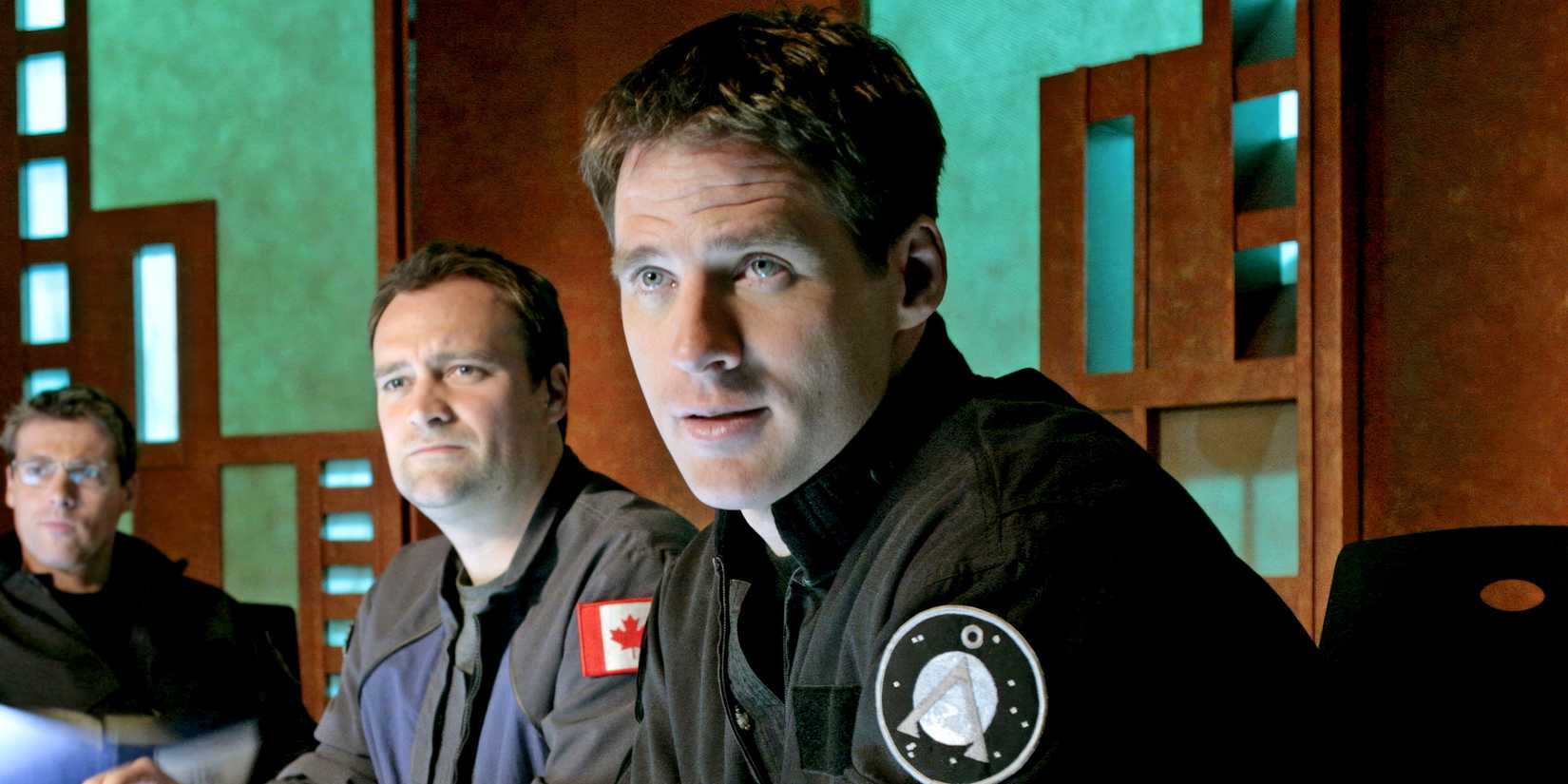
After the success of Roland Emmerich's 1994 film Stargate, a franchise of the same title was launched forward, peaking just three years later. Indeed, Stargate SG-1 is not only the best installment in the whole franchise, but truly one of the greatest sci-fi shows of the network TV era. Spanning over 200 episodes, it took the film's high-concept premise and transformed it into a sprawling, timeless saga.
It's one of those sci-fi shows that shouldn't be remade, because how could you possibly top perfection? Stargate SG-1 still does everything right nearly two decades after its conclusion, from relying on a phenomenal cast playing some deeply engaging characters to a perfect blend between high-stakes drama and self-aware humor. The reason why it managed to run for a whopping 10 years is that it's among the most widely accessible sci-fi shows in history.
7 'Cowboy Bebop' (1998–1999)

Cowboy Bebop is widely considered one of the biggest landmarks in the history of anime television, having fundamentally changed how global audiences and creators themselves viewed Japanese animation the world over. Never before had the world seen such a genre-bending and cinematic anime show, and rarely had the Western world fallen so deeply in love with a series like this.
It's one of the truest masterpieces of '90s anime television, a space Western with neo-noir tinges that's still just as stylish and universally entertaining today as it was decades ago. Generally considered one of the best gateway series for people who have never watched anime before, it's a visually stunning masterpiece with some of the best direction, writing, music, and voice acting that the medium has ever seen.
6 'Babylon 5' (1993–1998)
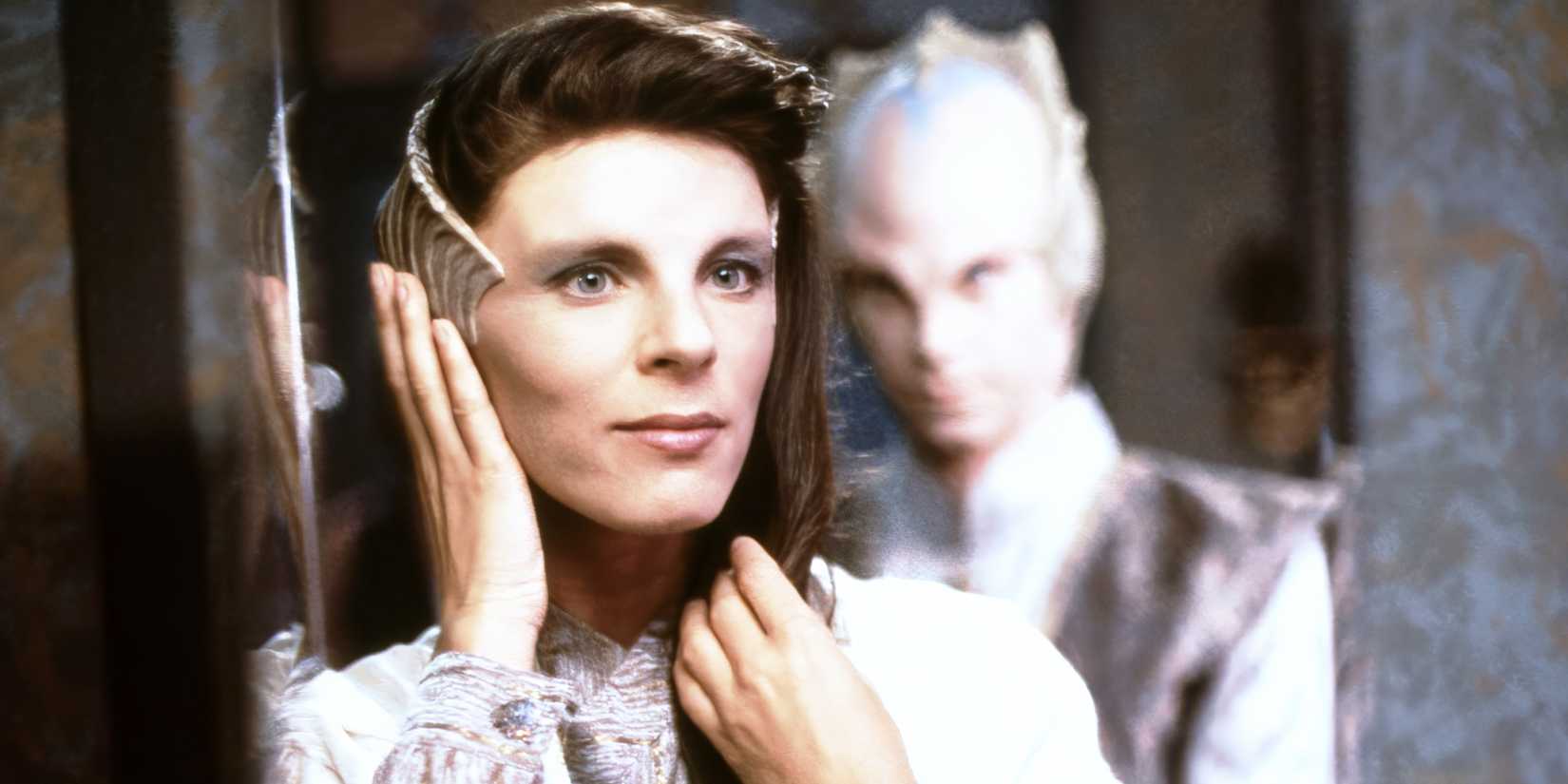
There are plenty of classic sci-fi shows that are better than most new series, and Babylon 5 is both one of the most noteworthy and one of the most massively influential. Quite unprecedented for American network television at the time, this space opera was written as a kind of novel for television, where each season was designed to serve as a new chapter in that story.
It's not like the small screen had never seen serialization before, but never before had sci-fi television seen serialization on this scale. Decades later, Babylon 5 still feels every bit as fresh and exciting as it did when it was originally on the air, and the technical elements that may look a bit dated only further add to its timeless charm. Without Babylon 5, sci-fi television as a whole wouldn't be what it is today.
COLLIDERInteractive
Long-range scan active
Movies/Science Fiction/Survival Assessment
Collider Survival Assessment
Which Sci-Fi World
Would You Survive?
8 questions · 5 worlds · one honest verdict
Five of the great screen futures, and not one of them is built for comfort. Answer eight questions about instinct, loyalty and the line you would cross, and the scan will tell you which one you would still be standing in. Worlds in range
▦︎The Matrix
◈︎Mad Max
◑︎Blade Runner
▲︎Dune
✦︎Star Wars
Signal lock01 / 08
Question 01 of 08INSTINCT
The world as you know it ends overnight. What is your first move? No wrong answer. There is a wrong hesitation.
Keys 1 to 5 or A to E · Enter to advance
Signal lock02 / 08
Question 02 of 08RESOURCE
You can stockpile exactly one thing. What is it? Choose carefully. You are not getting a second run.
Keys 1 to 5 or A to E · Enter to advance
Signal lock03 / 08
Question 03 of 08THREAT
Which kind of enemy scares you the most? Be honest about what keeps you up.
Keys 1 to 5 or A to E · Enter to advance
Signal lock04 / 08
Question 04 of 08AUTHORITY
How do you handle the people in charge? Every world has them. Even the ones that pretend otherwise.
Keys 1 to 5 or A to E · Enter to advance
Signal lock05 / 08
Question 05 of 08ENVIRONMENT
Pick the place you would rather wake up in: You will be there a while.
Keys 1 to 5 or A to E · Enter to advance
Signal lock06 / 08
Question 06 of 08ALLIANCE
Who do you want standing next to you? Pick one. You only get one.
Keys 1 to 5 or A to E · Enter to advance
Signal lock07 / 08
Question 07 of 08MORALITY
Which line would you cross to survive? Everybody crosses one.
Keys 1 to 5 or A to E · Enter to advance
Signal lock08 / 08
Question 08 of 08PURPOSE
What are you really fighting for? Last question. Make it count.
Keys 1 to 5 or A to E · Enter to advance
Scan completeYou would survive
▦︎ The Matrix The Resistance, Zion You take the red pill, you stay in Wonderland, and I show you how deep the rabbit hole goes.
You would survive The Matrix because you were never fully sold on the version of reality you were handed. You notice the seams. You ask the second question. In a world built to keep people comfortable and incurious, that instinct is the whole fight, and it is why Morpheus would have found you long before you found him. From the Collider file
- The Wachowskis' 1999 film won four Academy Awards, including Visual Effects and Film Editing.
- Bullet time was shot with a rig of roughly 120 still cameras firing in sequence around the actors.
- Keanu Reeves trained in martial arts for about four months before a frame was shot, recovering from neck surgery the whole time.
- It opened the same year as Fight Club and eXistenZ, in a run of films about not trusting the world in front of you.
Red pill energy Pattern spotter Built to question
◈︎ Mad Max The Wasteland Oh, what a day. What a lovely day.
You would survive the Wasteland because you do not waste energy mourning the world that ended. You move, you improvise, and you are very good with whatever is bolted to the thing in front of you. Furiosa would let you drive. That is not a compliment anybody earns easily. From the Collider file
- Mad Max: Fury Road won six Academy Awards in 2016, more than any other film that year.
- George Miller storyboarded the entire film as roughly 3,500 panels before there was a script.
- The chase was shot almost entirely practical in the Namib Desert, with real vehicles and real stunt performers.
- Anya Taylor-Joy and Chris Hemsworth carried the prequel, Furiosa: A Mad Max Saga, in 2024.
Keeps moving Improviser Good with engines
◑︎ Blade Runner Los Angeles, 2049 All those moments will be lost in time, like tears in rain.
You would survive 2049 because you know how to be small in a very loud city. You keep your head down, you do the job, and you hold onto one private thing that belongs only to you. That quiet stubbornness is exactly what both Deckard and K run on, and it is what keeps either of them going when the case stops making sense. From the Collider file
- Blade Runner 2049 won Roger Deakins his first Oscar for cinematography, on his fourteenth nomination.
- The film also took Best Visual Effects, 35 years after Ridley Scott's 1982 original.
- Villeneuve shot it on large-format film and kept the fog and rain practical on set wherever he could.
- Three short films by Luke Scott and Shinichiro Watanabe bridge the 30-year gap between the two movies.
Keeps her head down Private Noir soul
▲︎ Dune Arrakis Fear is the mind-killer. Fear is the little-death that brings total obliteration.
You would survive Arrakis because you think in decades while everyone around you thinks in weeks. You read the room, you learn the customs, you wait. The desert does not reward speed. It rewards people who understand that patience is a weapon, which is the one lesson the Fremen never had to be taught. From the Collider file
- Denis Villeneuve's Dune won six Academy Awards in 2022, including Cinematography and Original Score.
- Hans Zimmer turned down Christopher Nolan's Tenet so he could score Dune instead.
- Dune: Part Two arrived in 2024 and brought in Austin Butler, Florence Pugh and Christopher Walken.
- David Lynch's 1984 version and Alejandro Jodorowsky's unmade one are both their own legends by now.
Plays the long game Reads the room Patient
✦︎ Star Wars A Galaxy Far, Far Away Rebellions are built on hope.
You would survive the galaxy because you never try to survive it alone. You collect people. You end up in the middle of other folks' problems and you stay anyway. Every version of this story, from the Falcon's crew to the Ghost's, runs on somebody exactly like that holding the group together. From the Collider file
- The 1977 original won six Academy Awards plus a special achievement award for sound effects.
- John Williams' score was recorded by the London Symphony Orchestra and became the best-selling symphonic film soundtrack ever.
- Andor took the galaxy somewhere colder and earned Emmy nominations for drama series in both seasons.
- The saga now runs across eleven feature films and a growing shelf of series on Disney+.
Collects people Shows up Hope merchant
Compatibility readout · top three
1
2
3
Copied to your clipboard
Scan filed byCOLLIDERCollider.com · The Sci-Fi Desk
5 'Firefly' (2002–2003)

There are plenty of sci-fi shows that have been canceled after only one short-lived season throughout the years, unable to reach their full potential — but none nearly as notorious or iconic as the space Western cult classic Firefly. It's one of the most perfect sci-fi shows of the last 25 years, one so great that one season was all it took for it to become one of the biggest sci-fi cult classics in the history of 21st-century television.
It was due to missteps unique to the network era of television, like airing episodes out of order, that Firefly didn't get to flourish, which only makes it even more of a crucial piece of network sci-fi television history. With its perfect blend of Americana aesthetics and fun sci-fi pulp, a delectably compelling ensemble of characters, and plenty of razor-sharp dialogue, it's no wonder why Firefly is as legendary as it is.
4 'Star Trek: The Next Generation' (1987–1994)
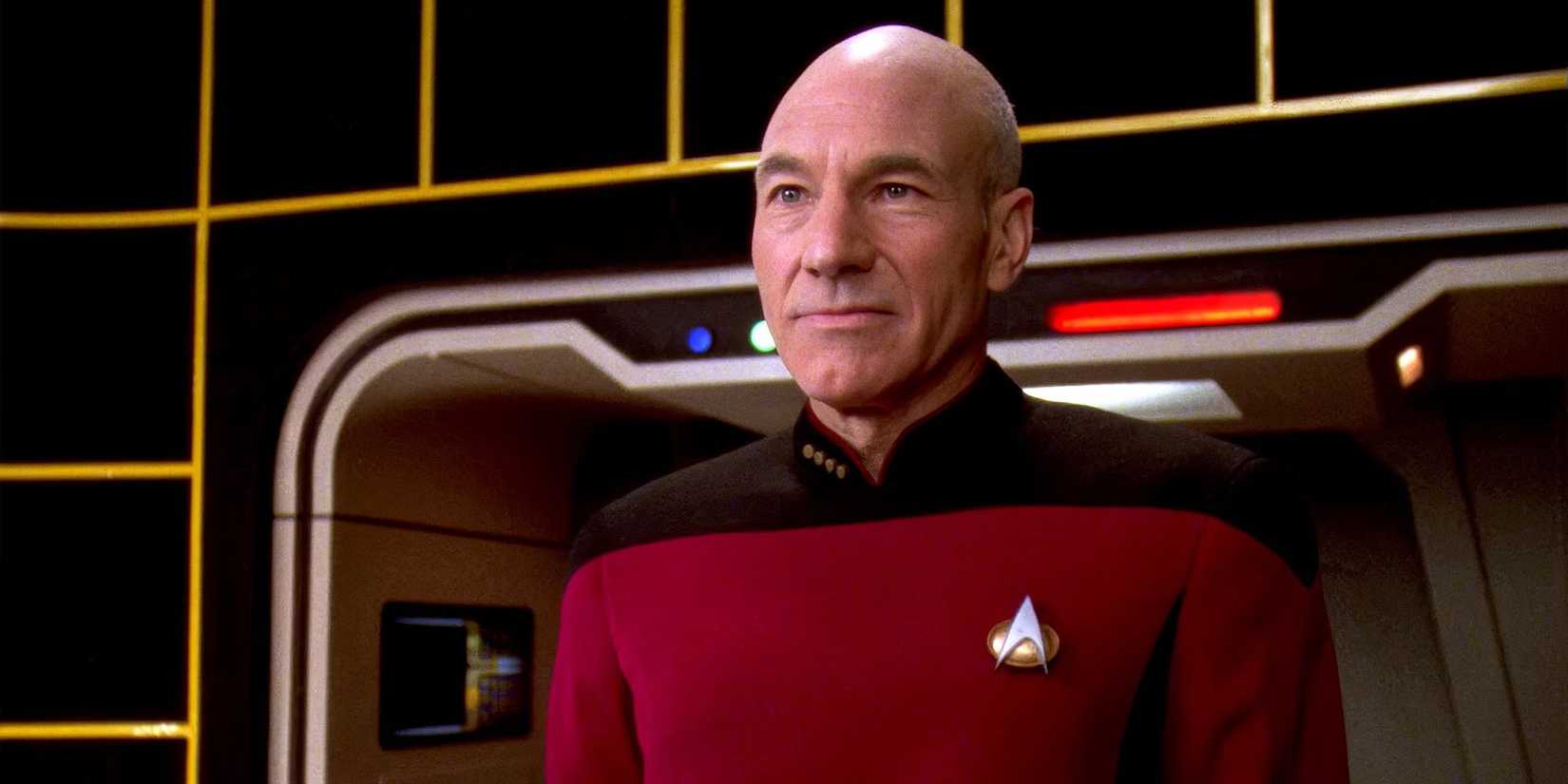
First airing in 1966, Star Trek: The Original Series proved that far from just being a source of pulpy entertainment, sci-fi could be a true mirror for contemporary social and political issues. Star Trek: The Next Generation grabbed that thematic thesis and carried it forward to lengths never seen before, delivering what many fans still agree is the best piece of Star Trek content to date.
With a top-tier cast led by the late Sir Patrick Stewart, some incredible production values, and some of the most profound and philosophically charged writing the genre has ever seen, The Next Generation is one of those space sci-fi shows that are genuine masterpieces. It's the space opera subgenre at its most optimistic and complex, and a must-see for anyone who even slightly enjoys network television sci-fi.
3 'Battlestar Galactica' (2004–2009)
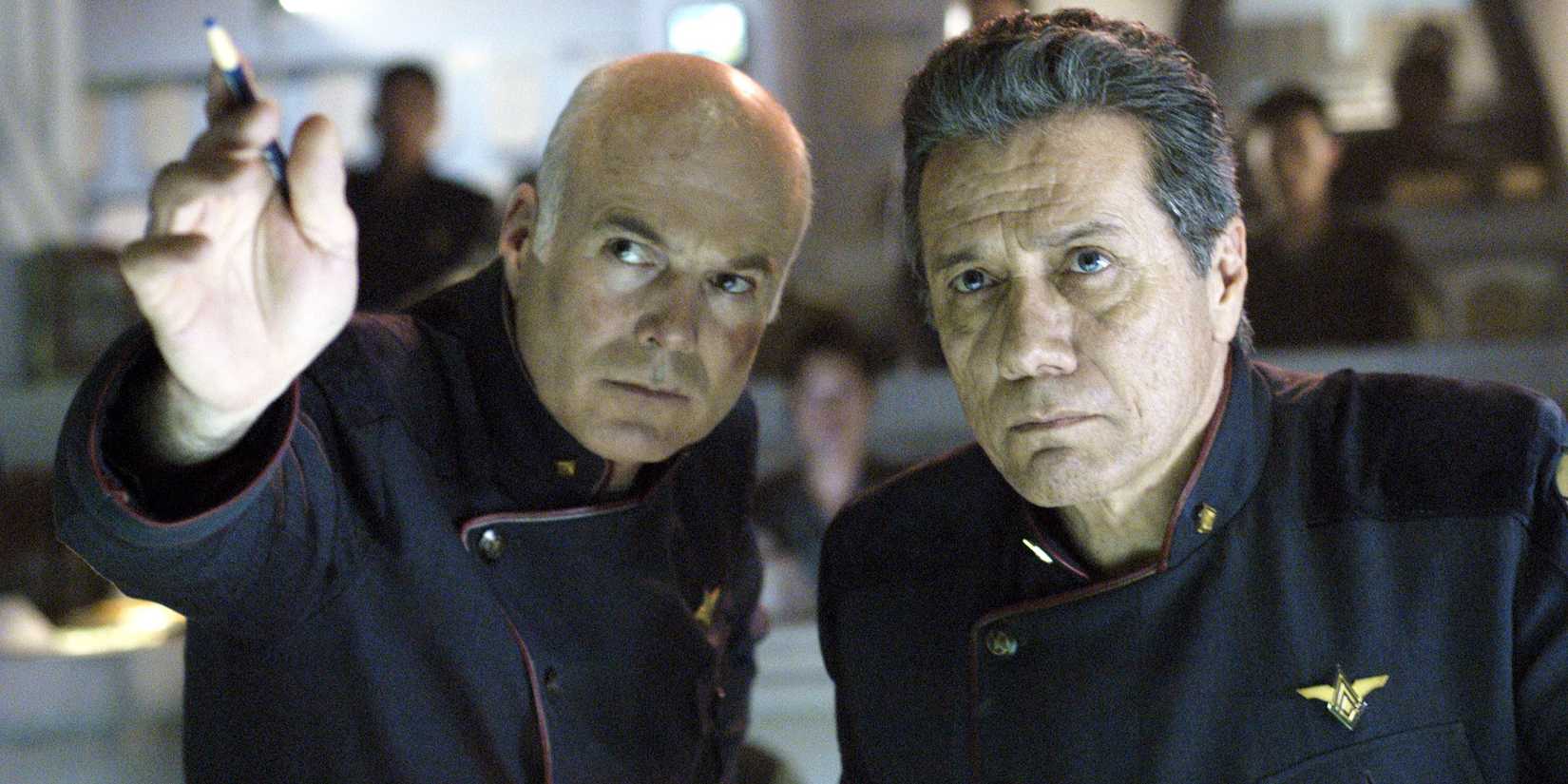
The original Battlestar Galactica from 1979 is still delightfully charming today, but it was seriously in need of an update. After several attempts to make either a sequel or a reboot, the series was finally born anew with the 2003 miniseries of the same name, which was followed by the full-length 2004 show that is nowadays remembered as one of the best sci-fi shows of the 21st century.
Indeed, Battlestar Galactica is one of those mega-addictive sci-fi shows that are impossible to stop watching, an absolutely legendary space opera that completely changed how broadcast science fiction looked, sounded, and felt. Rusty, gritty, and written as a thematic response to the national mood of the media following the 9/11 attacks, it's one of the most complex and well-written sci-fi shows of all time.
2 'The X-Files' (1993–2018)

One of the most fun TV shows of the 1990s, The X-Files was a watershed moment in the history of broadcast television, pioneering the very concept of online fandom. To this day, its fans are still some of the most loyal and dedicated in the history of sci-fi television, and that's because this iconic show was so perfectly designed to endure the test of time.
Two FBI Special Agents solving mysteries together; one a fierce believer in the supernatural, the other a skeptic. It's a simple enough concept to base a sci-fi show on, but it's admirable just how long X-Files made that concept last. It's the gold standard for sci-fi procedurals, a real masterpiece of television's network era that always knew exactly how much serialization to inject into its episodic nature.
1 'The Twilight Zone' (1959–1964)
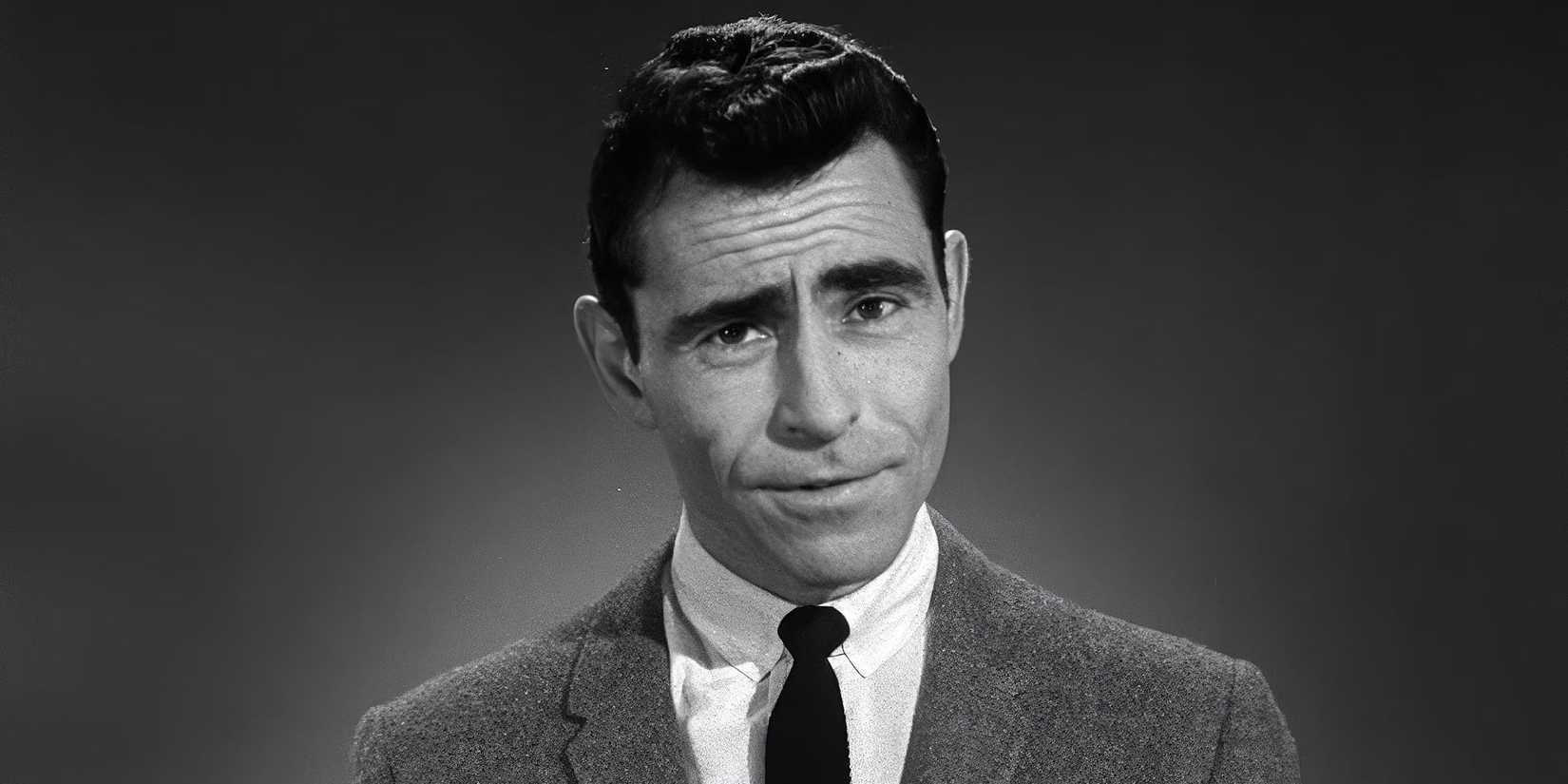
If there is any one show that deserves to be called the most influential in the history of sci-fi television, it's undoubtedly Rod Serling's The Twilight Zone, the greatest and most important anthology TV series of all time. Full of incredible stars, plenty of stellar writing, and some of the most genius high-concept premises in all of sci-fi television, it's a must-see classic without equal.
Like all anthology series, The Twilight Zone certainly had its highs and lows over the course of its run, but every single one of its seasons could reasonably be counted among the best anthology TV seasons of all time. It's the closest that sci-fi TV ever came to perfection throughout the entirety of the broadcasting era of the medium, and it will take something really special to ever top it during this new streaming era.
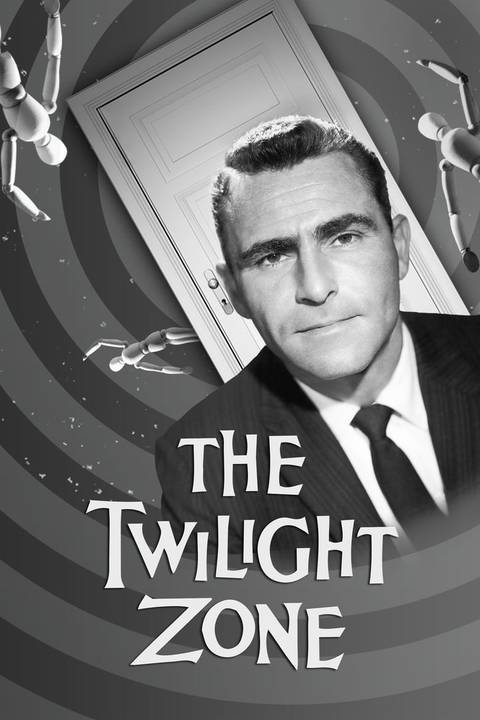
The Twilight Zone
- Release Date
- 1959 - 1964-00-00
- Network
- CBS
- Showrunner
- Rod Serling
- Directors
- John Brahm, Buzz Kulik, Douglas Heyes, Lamont Johnson, Richard L. Bare, James Sheldon, Richard Donner, Don Medford, Montgomery Pittman, Abner Biberman, Alan Crosland, Jr., Alvin Ganzer, Elliot Silverstein, Jack Smight, Joseph M. Newman, Ted Post, William Claxton, Jus Addiss, Mitchell Leisen, Perry Lafferty, Robert Florey, Robert Parrish, Ron Winston, Stuart Rosenberg
KioskNews shows a cleaned-up reading view extracted from the publisher’s page — the original always lives on their site, not ours.