Fed's Barr warns on AI risks to financial system
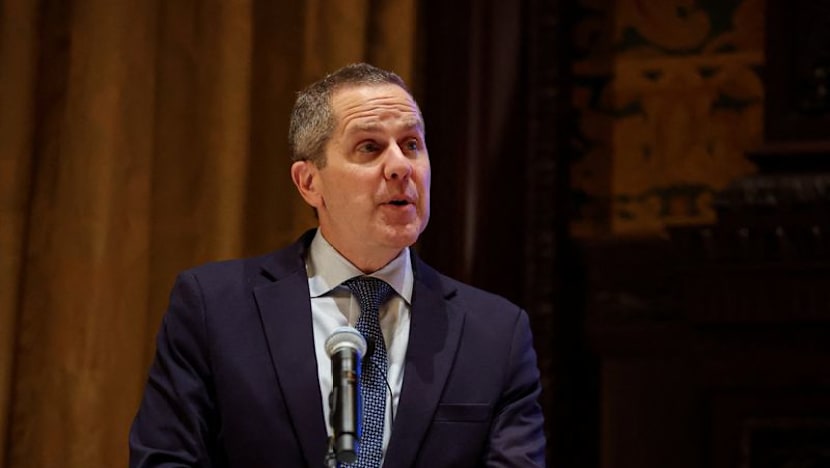
Nov 16 : Federal Reserve Governor Michael Barr on Monday laid out a range of perils that AI could bring to trading, cybersecurity and consumer and investor protection, building on a central bank report issued last week that showed a surge in concern about the risks the new technology poses to financial stability.
Some 87 per cent of contacts surveyed for the Fed's latest Financial Stability Report, issued on Friday, cited AI as a salient risk to the financial system, pointing to worries about cyberattacks, complex AI-related financing, and the possibility of an AI earnings slowdown spurring broad stock market declines.
Barr on Monday expanded on some of those concerns and piled on several more: the potential that an increased reliance on AI models in trading could lead to herd-like behavior that could disrupt markets. That self-learning algorithms could manipulate and destabilize markets. That banks may be unable to confirm if an AI agent "attempting to take actions in retail customer accounts" is actually authorized by the customer to do so. That even legitimate AI agents acting at lightning speed on behalf of retail banking customers could accelerate bank runs and overwhelm traditional safeguards.
He also pointed to cyber risks from AI-enabled cyberattackers or even rogue AI agents exploiting vulnerabilities in the financial system.
AI developers struggle with ensuring their models are "well controlled, numerically and legally precise, explainable, and replicable," he said. "We need to reduce the risk that AI reinforces biases in consumer lending. And we also need to guard against the risks that could result from the use of AI in financial markets including collusion, market manipulation, or trading strategies that result in significant market volatility or even systemic risk."
Barr's remarks, for delivery in Milan, Italy, come hours before Fed Chairman Kevin Warsh opens a conference at the San Francisco Fed where AI developers, business leaders and academics are expected to discuss the implications of the new technology for productivity, jobs and the economy more broadly.
He did not comment on the outlook for monetary policy or the economy in his prepared remarks.
KioskNews shows a cleaned-up reading view extracted from the publisher’s page — the original always lives on their site, not ours.