At Kusina ng Pag-asa, local restaurants cook free hot meals when disaster strikes
Already have Rappler+?
to listen to groundbreaking journalism.
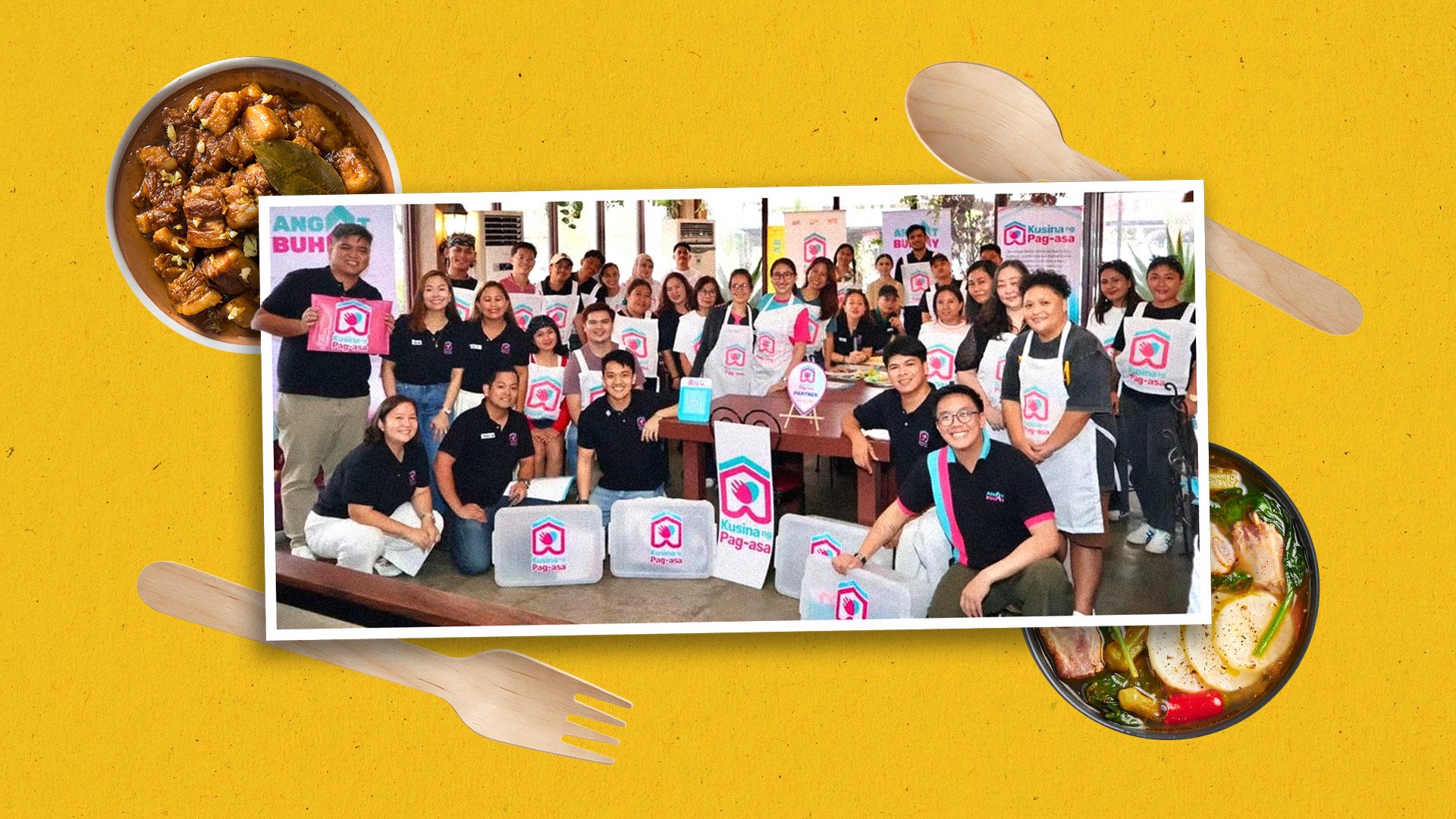
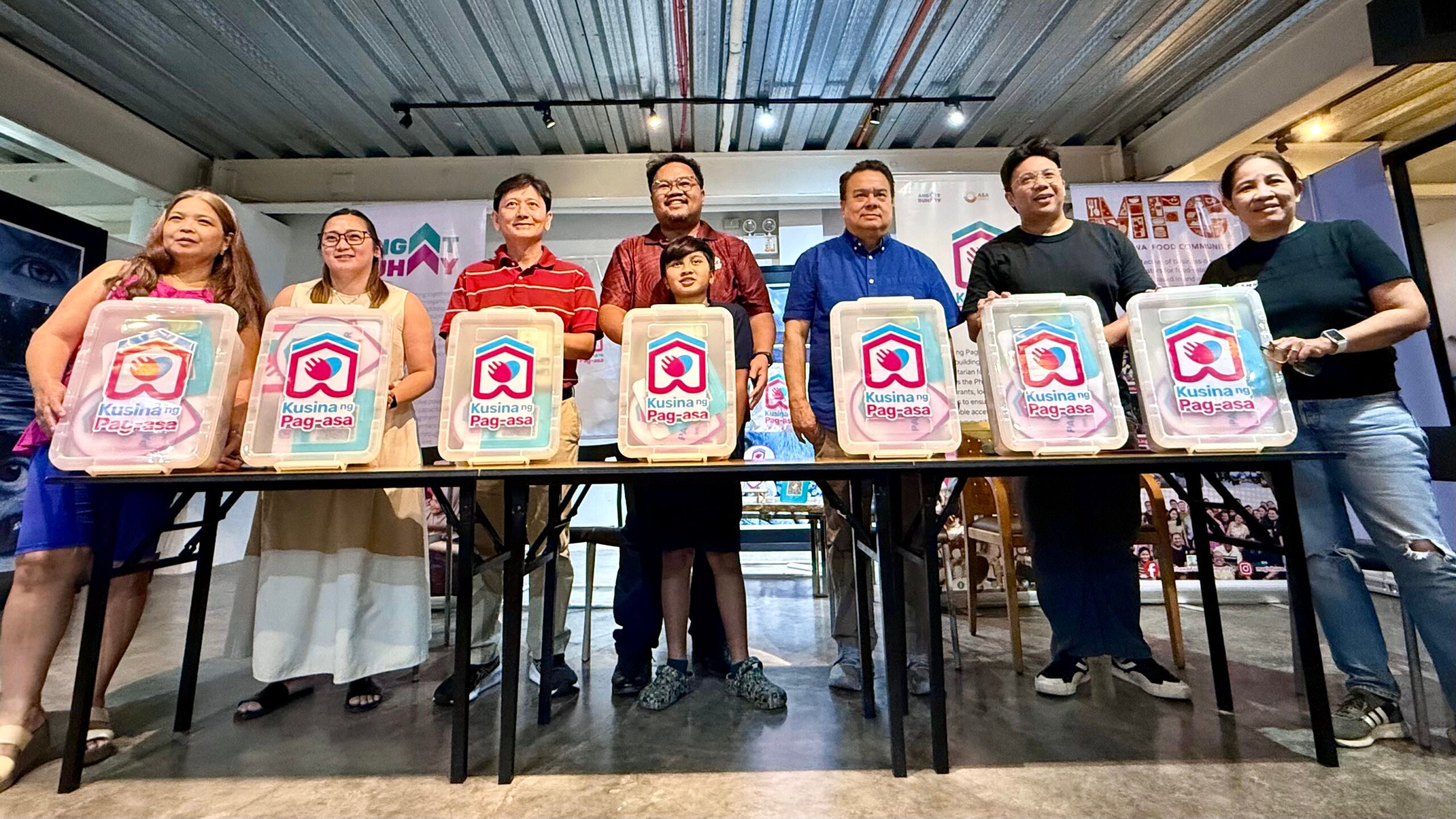
Kusina ng Pag-asa first sprang into action within the areas affected by the 7.8 magnitude Mindanao earthquake. Now, it has expanded to more localities to serve even more Filipinos.
AT A GLANCE
- The Philippines faces frequent natural disasters, ranking 7th in the Climate Risk Index for extreme weather events, prompting community initiatives like Kusina ng Pag-asa (KNP) to provide dignified meals to affected citizens.
- KNP, launched by Angat Buhay and supported by local restaurants, mobilizes partner-kitchens to prepare nutritious 'Pag-asa packs' during disasters, ensuring that affected individuals receive proper nutrition.
- Training sessions for partner-kitchens focus on disaster response protocols, meal planning, and resource management, enhancing their preparedness and efficiency in delivering aid during emergencies.
This is AI-generated. Read the article for full context. Report any errors.
Year after year, Filipinos are left to grapple with natural disasters and calamities. It has become a common sight to witness people wading through the floodwaters that have taken over the streets, and trying to salvage what they can as they scramble to get to safety.
A report from Germanwatch’s Climate Risk Index 2026 even saw the Philippines place 7th on the list of the world’s most affected countries by extreme weather events.
When instances like these happen, resilience alone is never enough. Often, it is ordinary citizens who step in to help their fellow Filipinos — and over at Kusina ng Pag-asa (KNP), help comes in the form of dignified meals.
How it all started
KNP — an initiative led by Angat Buhay, supported by ASA Philippines Foundation, and implemented by the Maginhawa Food Community — was born out of pure bayanihan (community spirit), and the almost natural Filipino instinct to ask, “Kumain ka na ba (Have you eaten)?”
The initiative was officially established in late April. Just two months later, it would spearhead its first activation in Mindanao, where a 7.8 magnitude earthquake struck off the coast of Sarangani province in June.
As residents rushed to evacuate to safer spaces, tried hard to contact their loved ones, and were overall still recovering from the shock of the disaster, food was likely the last thing on their minds.
On the sidelines, then, local restaurants in General Santos City immediately jumped into action to serve hot meals. Slurp Noodle Bar, BarKo sa Lagao Seafoods Restaurant, Mama Delia’s Catering and Food Service Delivery, JoAnn’s Bakeshop, and Ranchero Group of Restaurants remained open to whip up as many hot meals as they could to serve to affected local communities. These restaurants have since become official KNP partner-kitchens.
“When disasters strike, on the side of local businesses, often there are no business operations or no customers to be served. KNP wants to help these businesses by continuing their operations by providing hot meals that follow the KNP standards. Partner-Kitchens of KNP will be alerted when an operation is activated. Resources will be provided to purchase necessary ingredients,” Maginhawa Food Community founder and president Jules Guiang told Rappler.
Operations are activated as soon as Angat Buhay, its volunteer network, and local government units begin coordinating with each other. As Angat Buhay signals their partner-kitchens to begin these special operations, volunteers will then be deployed to lend extra hands to the restaurants preparing the meals.
The meals partner-kitchens prepare aren’t simply for satiating hunger either. They are referred to as “Pag-asa packs,” which contain go, grow, and glow foods to ensure that all those affected are still receiving proper nutrition while reeling from the disaster.
Partner-kitchens have the freedom to serve any meal as long as they follow the “Pag-asa pack” standards, and will be given the necessary resources to finance such high volumes of disaster-ready cooking and meal distribution.
“On the side of the businesses, they will be informed regarding the duration of the operations so they may swiftly transition from being business-as-usual to doing relief operations. In the experience of Maginhawa Food Community, several Partner-Kitchens have balanced opening their business to their customers while also preparing hot meals for the operations,” Guiang added.
But what started as an initiative within the areas affected by the Mindanao earthquake has now expanded to even more localities to serve more Filipinos.
Preparedness is crucial
KNP currently has five partner-restaurants in General Santos City, seven in Cebu, and 18 in Quezon City — with the aim to establish a presence in Baguio, Naga, Iloilo, Cagayan de Oro, and even more cities within NCR.
But preparing meals for calamity-stricken communities isn’t as easy as it sounds. It isn’t just business as usual for the restaurants involved, as they are doing more than just cooking food.
So, in July and August this year, the Maginhawa Food Community held KNP activation training sessions in Quezon City and Cebu to help partner-kitchens familiarize themselves with standardized disaster response protocols.
These kitchens are taught meal planning, resource estimation, food safety, proper emergency response, documentation and reporting, and leadership for community engagement — to ensure that they are prepared even before the disaster itself happens.
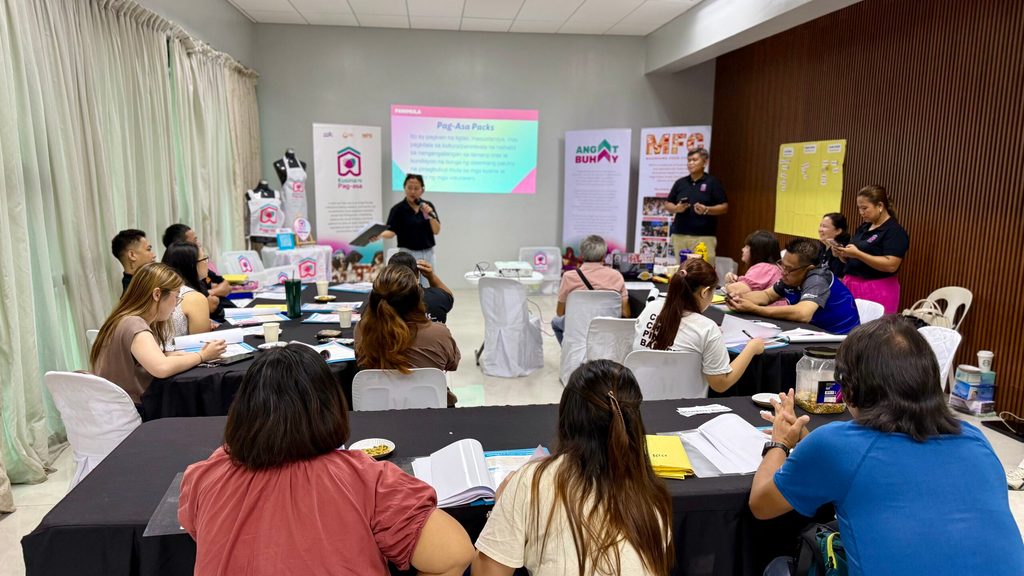
No activation is ever perfect, but with early training, KNP is able to equip its partner kitchens and volunteers with the right knowledge and resources to move as seamlessly as possible on the ground to help families and communities in need.
“We usually receive a high volume of volunteers in every operation. We want to ensure that each volunteer is given a role by providing clear schedules for them to volunteer,” Guiang said about the areas in the KNP workflow that they hope to improve. “Secondly, at least in the experience of Maginhawa, we aim to build a clearer line of communication with the LGU as to which department will receive and deliver our hot meals.”
As KNP continues to grow, then, Filipinos are given just a little more assurance that there are initiatives they can count on whenever disaster strikes. – Rappler.com
Those interested in contributing to KNP’s initiatives may donate at least P100 to sponsor a hot meal through this link. Crowdsourcing for volunteers happens every time relief operations are activated.
Small food businesses interested in becoming partner-kitchens may sign up here.
KioskNews shows a cleaned-up reading view extracted from the publisher’s page — the original always lives on their site, not ours.