The 6 Most Suspenseful Thrillers Released Since 2010, Ranked

Ryan Heffernan is a Senior Writer at Collider. Storytelling has been one of his interests since an early age, with his appreciation for film and television becoming a particular interest of his during his teenage years.
This passion saw Ryan graduate from the University of Canberra in 2020 with an Honours Degree in Film Production. In the years since, he has found freelance work as a videographer and editor in the Canberra region while also becoming entrenched in the city's film-making community.
In addition to cinema and writing, Ryan's other major interest is sport, with him having a particular love for Australian Rules football, Formula 1, and cricket. He also has casual interests in reading, gaming, and history.
Sign in to your Collider account
Looking back to the earliest days of film history, it is clear to see that thriller cinema isn’t only one of the medium’s most enduring and evergreen genres, but one of the most diverse and challenging as well. Everything from the film noir mysteries of the 1940s to the political angst of the ‘70s, and even the techno-terror of the late ‘90s has produced spectacles of masterful suspense that made an immediate impact on contemporary audiences and have proven themselves to be enduring, timeless classics over time.
Cinema’s penchant for raw intensity has continued well into the 21st century, with the past 16 years presenting an abundance of piercing and precise thrillers that engulf viewers with their clever concepts and thematic urgency. Ranging from harrowing crime mastery movies tinged with tragedy and tension to fiercely psychological character studies that revel in ideas of obsession, ambition, and the pitfalls of perfectionism, these six movies stand as the most suspenseful and scarring audiences have seen since 2010.
6 'Uncut Gems' (2019)
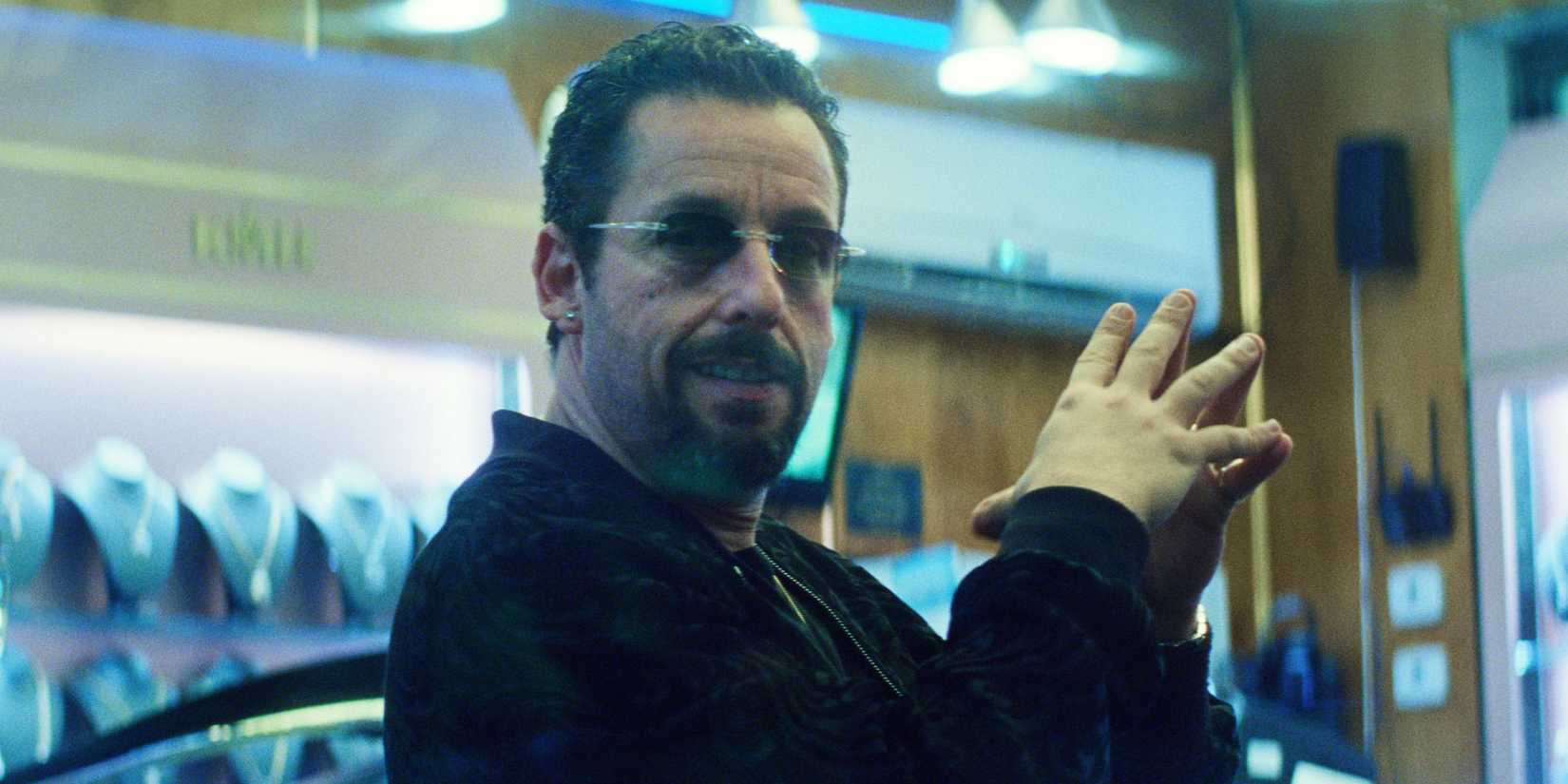
Reveling in the misguided ambition of greed and the fierce hostility of New York’s criminal underworld, Uncut Gems engrosses viewers in an unyielding, 135-minute anxiety trip powered by a sense of frenzied chaos. Adam Sandler is brilliant as Howard Ratner, a high-stakes jeweler with a self-destructive addiction to high-stakes sports gambling who places a bet that could lead to the windfall of a lifetime while juggling ongoing business transactions, a manic family dynamic, and an unraveling agreement with his loan shark brother-in-law who he owes $100,000 to.
Granted, the movie certainly has its faults, not least of which are its completely unsympathetic characters and its somewhat elongated runtime, but there is no denying that Uncut Gems is a masterclass in crime drama and cinematic suspense. The agonizing stakes of Ratner’s situation and his dangerous egotism are violently compounded by the film’s overwhelming sensory overload, chiefly in the form of its rapid-fire, overlapping dialogue that captures a sense of visceral, ferocious mayhem. Through background noises, constantly ringing phones, and bickering clients, Uncut Gems excels at immersing viewers in Ratner’s manic world of risk and reward with an intensity that is as hypnotic as it is exhausting.
5 'Oppenheimer' (2023)

The recent boom of biographical movies has occupied practically every genre and tone, from hard-hitting internal drama to offbeat comical charm. Oppenheimer, quite appropriately, takes a clever turn to transform the exploration of a public figure’s life and achievements into a catalyst for relentless suspense. Often feeling like a throbbing tension headache, the Best Picture-winning epic follows physicist J. Robert Oppenheimer (Cillian Murphy) as he heads the Manhattan Project, collaborating with scientists to develop and produce the atomic bomb before Nazi Germany.
Complimented by a litany of ingenious filmmaking techniques from Christopher Nolan and cinematographer Hoyte van Hoytema, Oppenheimer captures the historical significance of every scientific negotiation and political ploy as it reckons with the cut-throat intensity of Oppenheimer’s work, the turmoil he experienced in the years after WWII, and the terrifying, world-changing ramifications of his success. Rather than merely documenting what happened and when, Nolan invests heavily in conjuring a ferocious atmosphere of psychological tension and festering paranoia, making for an agonizing descent into one of the defining moments of 20th century history that ends on the chilling note of humanity sowing the seeds of its own destruction.
4 'Black Swan' (2010)

A haunting exploration of obsession and perfectionism powered by Darren Aronofsky’s evocative direction and Natalie Portman’s stunning lead performance, Black Swan excels as one of the most visceral and disturbing psychological thrillers cinema has ever seen. Set in the highly competitive New York City Ballet, it unfolds as Nina (Portman) secures the dual lead role in the academy’s upcoming production of “Swan Lake.” While her gentle demeanor is perfect for the role of the White Swan, the sensual darkness of the Black Swan is more suited to Lily (Mila Kunis), an experienced ballerina new to the company. Riddled with angst, Nina pushes herself beyond her physical, psychological, and emotional limits to prove she can excel in both parts.
Above all else, Black Swan is an immersion in pressure and desperation, one that brilliantly blurs the line between reality and hallucination by indulging in outbursts of graphic body horror and shocking, surrealist imagery to entrench the viewer in Nina’s fracturing psyche. With the agony of Nina’s dream slipping from her grasp only compounded by her demanding relationship with her mother and her own internal duality, Black Swan shines as one of the best and most impressionable movies of the 2010s of any genre, as well as a defining thriller of the modern era of cinema.
Collider Exclusive · 8 Questions · 2 Minutes Which Coen Brothers Movie Would You Thrive In? Lebowski · O Brother · Fargo · No Country
Nobody writes people like the Coen brothers. The decent ones. The talkers. The ones who stopped trying years ago. And the ones who can already see how bad this is going to get. Four films, four completely different ways of handling trouble. Eight questions decide which one you would actually walk out of.
🎳Lebowski(1998)
🎸O Brother(2000)
❄️Fargo(1996)
🪙No Country(2007)
01
A bag of money lands in your lap. What happens next? Every Coen film starts roughly here. It never goes smoothly.
02
Somebody is being completely unreasonable with you. How does it go? Coen dialogue is mostly people failing to understand each other.
03
What is your actual relationship with work? Everyone in these films is either working far too hard or not at all.
04
Long drive, bad weather, nobody else on the road. How are you? There is always a drive in these films. It is never a good drive.
05
You are offered a shortcut that is not quite legal. This is the moment where the Coens find out who you really are.
06
The plan has fallen apart completely. What is your move? In a Coen film the plan always falls apart. That is the genre.
07
Which of these sounds most like something you would say? Nobody writes a line quite like the Coens. Which one is yours?
08
How does your film end? Eight questions in, this is the one that decides your movie.
The Verdict Is In Your Coen Film Is…
Four films, four completely different ways of handling money, trouble and other people. This is the one you would survive, why it suits you, and what it would cost you to be there.
The Big Lebowski
You have quietly arranged your life so that very little can get to you, and a surprising number of people find that infuriating. You would be completely at home here.
- The Dude is the only person in the film with no ambition, and the only one who comes out the other side undamaged. That is not an accident.
- You do not chase things. You let situations arrive and you deal with them at your own pace, which is a genuine skill however lazy it looks.
- This is a full crime plot happening around a man who mostly wants his rug back, and that is exactly the energy you would bring to it.
- Everything goes wrong. You abide. The film ends.
O Brother
You talk your way through life and it works far more often than it should. Give you a bad situation and an audience and you will find a way out of both at once.
- Everett never has a plan that survives contact with reality. He has something better, which is the ability to keep talking until a new one turns up.
- You are the optimist in the group, the one who makes a ridiculous idea sound reasonable at two in the morning.
- This is the warmest film the Coens have made. It is a chase, a comedy and a musical at once, and nobody in it is quite beyond saving.
- You would end up famous entirely by accident, and act like you planned it all along.
Fargo
You would survive Fargo because you are the only kind of person who does: patient, decent, and completely unimpressed by anybody trying to be clever.
- Marge Gunderson solves the whole case by being polite, thorough and unhurried while everybody around her panics. That is the entire argument of the film.
- You do the boring parts of the job, which is precisely why you would notice the thing everyone else walked straight past.
- Fargo is about ordinary greed causing enormous damage, and about one person who simply refuses to be corrupted by any of it.
- You would go home at the end of it, have dinner, and sleep perfectly well.
No Country
You do not expect the world to be fair and you stopped being surprised about it a long time ago. That clear-eyed quality is exactly what this film asks for.
- No Country is the Coens at their coldest: a film where being smart, fast and careful might still not be anywhere near enough.
- You plan for the worst, you keep your own counsel, and some part of you is already working out the exit.
- Llewelyn Moss is competent, prepared and resourceful, and the film is honest about whether any of that is ever sufficient.
- You would see it coming. Whether that helps is the one question the film refuses to answer.
3 'Parasite' (2019)
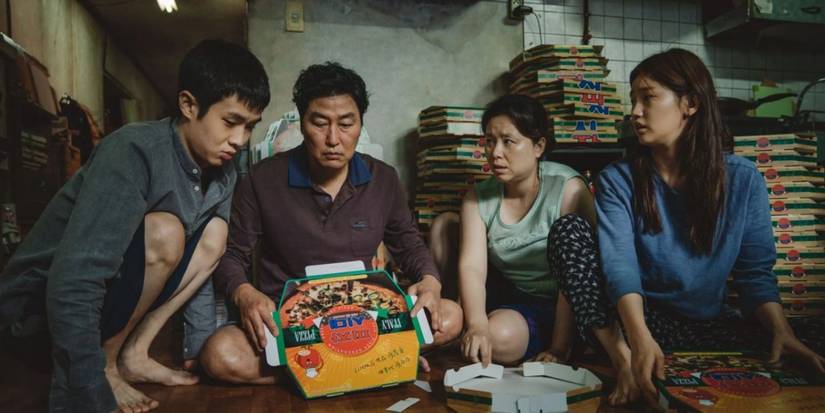
Another Best Picture winner that impressed millions around the world with its ability to mix layered and precise storytelling with piercing suspense, Parasite presents the narrative dare and thematic wrath of Bong Joon Ho at his absolute best. The South Korean masterpiece unfolds as the struggling and destitute Kim family find themselves with an opportunity to infiltrate the luxurious home life of the Park family by concealing their familial relations and securing servant jobs around the household. While the Kims initially enjoy their newfound comfort, their attitude towards their employers grows increasingly hostile as jealousy and class disparity set in.
The escalating deception of the Kims’ ploy feels like a ticking time bomb careening towards their inevitable discovery, and while the film plays with that tension masterfully, Bong Joon Ho also extracts engrossing suspense through his winding, twisting screenplay that finds ways to change and evolve the dynamic multiple times throughout the film. Imbuing the movie with insightful ideas on class disparity and inequality, duplicity, ambition, and pondering who between the Kims and the Parks are the true parasites in society, Parasite combines the artful intensity of its screenplay and presentation with urgent thematic notions that give it a sense of immediate relevance that only adds to its pulsating tension.
2 'Nightcrawler' (2014)
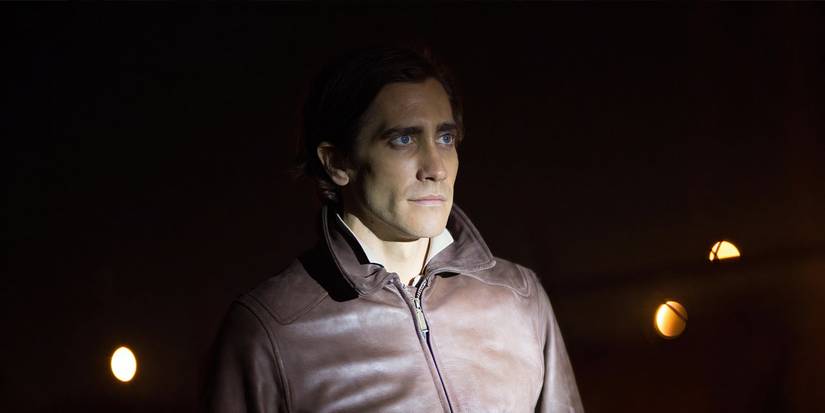
Thriller cinema tends to relish morally ambiguous lead characters, complex protagonists governed by greed, desire, and ambition who blur the line between brutal pessimism and despicable self-interest. Nightcrawler finds its chilling intensity in blowing that line out of the water as it follows Lou Bloom (Jake Gyllenhaal), a sociopathic petty thief who turns to independent photojournalism and scours Los Angeles by night in search of violent news stories he can film and sell to news broadcasters. As he becomes more immersed in the lifestyle, he begins going far beyond standard practice in order to capture the most shocking footage he can, a pursuit that sees him become an unfeeling, monstrous vulture feeding on other people’s raw misery.
The way the film realizes this confronting story is punishing, with director Dan Gilroy unflinching in his endeavor to showcase the evil amorality Bloom embodies in his work as a “nightcrawler” as well as the horrific lengths he will go to in order to find success. Far more than just an intense character study, Nightcrawler is a scorching indictment on unethical media practices in the modern age of the 24-hour news cycle and the complicity of audiences who find entertainment and intrigue in such terrible stories being broadcast by media outlets purely for ratings success. As both a harrowing character-driven thriller and an exposé on the intersection of tragedy and entertainment in the modern age, Nightcrawler is an uncompromising, psychologically-draining masterpiece that holds its suspense from its opening minutes right through to its final scene.
1 'Prisoners' (2013)

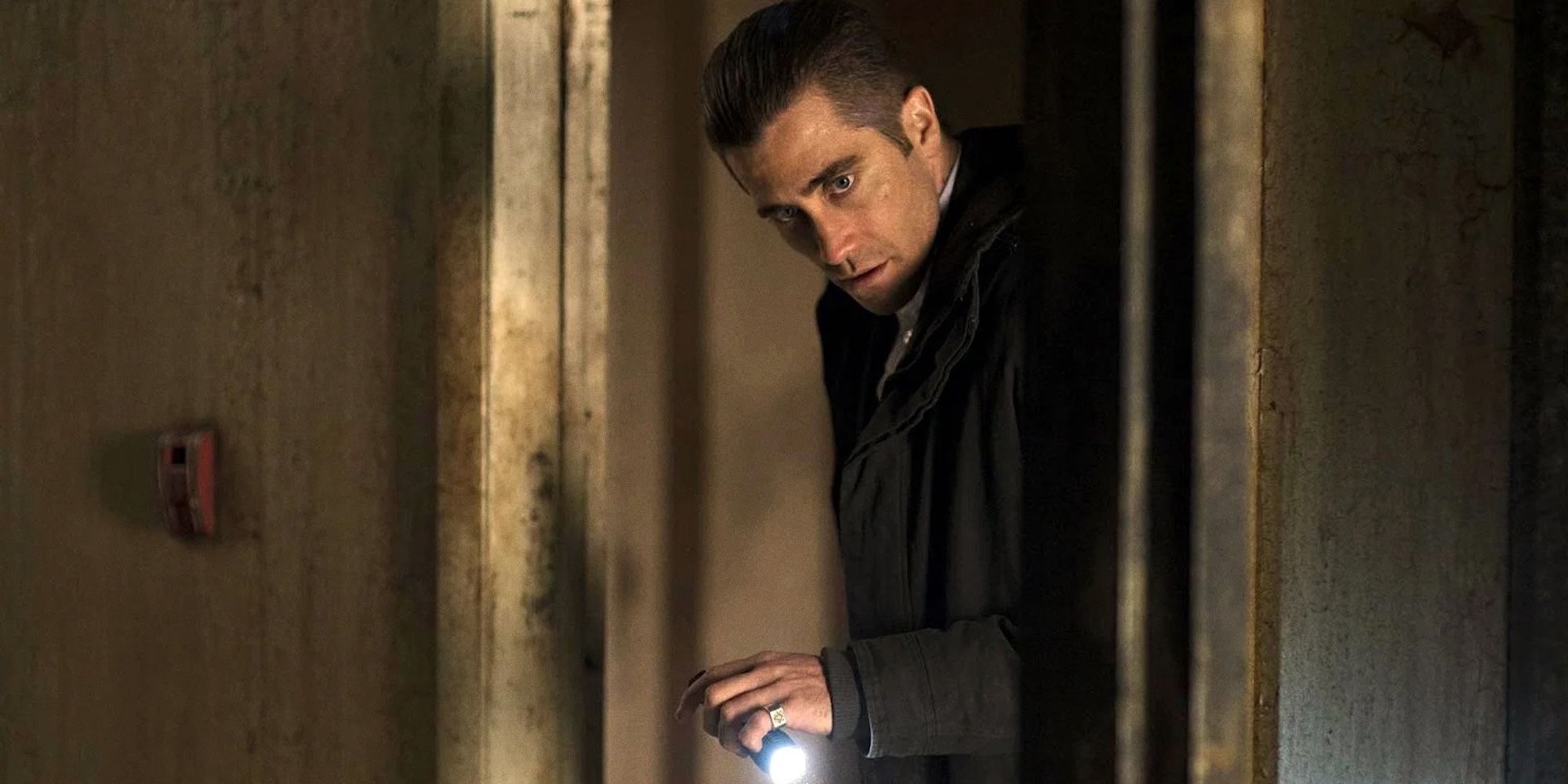
While he had directed great movies prior, Prisoners marks the defining breakthrough of Denis Villeneuve as a director of international renown. A grim descent into every parent’s worst nightmare, the 2013 crime mystery thriller unfolds in the aftermath of two children being abducted in Pennsylvania. As Detective Loki (Jake Gyllenhaal) struggles to find the lead that will break the case open, one of the missing girls’ fathers, Keller Dover (Hugh Jackman), takes matters into his own hands by taking a released suspect hostage and torturing him for information.
While Prisoners delivers a devastating and enigmatic mystery that keeps viewers in agonizing suspense throughout the entirety of the 153-minute runtime, it also conjures tension through its cold and rainy atmosphere, meticulous pacing, and the astonishing weight of its performances, particularly Jackman’s portrayal of a desperate father who will stop at nothing to save his daughter. The end result is an arresting exploration of parental love pushed beyond the brink of sanity, a harrowing plunge into the darkest depths of moral ambiguity that is as ceaselessly compelling as it is viscerally confronting. It excels at embedding viewers in the impossible situations Dover and Loki find themselves in, and constantly questioning where the line between just cause and fruitless violence resides, complex qualities that make it not only the most suspenseful movie of the past 16 years, but one of the best pictures of the 21st century at large as well.
KioskNews shows a cleaned-up reading view extracted from the publisher’s page — the original always lives on their site, not ours.