Japan's Mimura says markets shouldn't forget intervention risks as yen nears 160
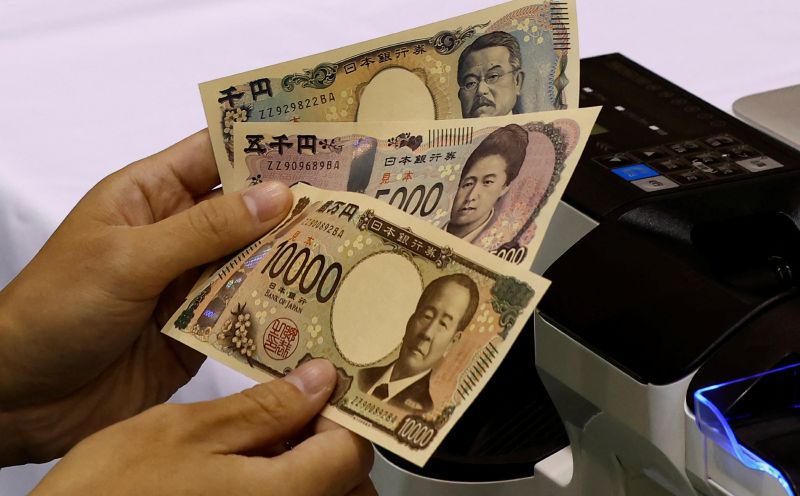
TOKYO: Japan's top currency diplomat Atsushi Mimura on Thursday warned market participants that it's "too early to forget" this summer's intervention as the yen again edged towards the key 160-per-dollar level.
In his first remarks on foreign exchange since late September, Mimura said he believed that recent currency moves have been excessively rapid.
"It's still too early to forget what happened this summer," he added, referring to Japan's yen-buying interventions in late July through early August, including one conducted jointly with the US.
The dollar rose to 159.94 against the Japanese yen early Thursday morning, hitting its strongest in over two months, buoyed by growing expectations that the Federal Reserve will raise interest rates after hot US inflation data and hawkish remarks from policymakers.
The weak yen has been a headache for Japanese policymakers as import costs have surged. The yen-based import price index jumped 24.8 per cent in October from a year earlier, data showed on Thursday.
"The dollar is likely to continue rising against the yen, underpinned by the resilience of the US economy and persistently elevated inflation driven by robust investment in AI," Mizuho Securities analysts said in a report.
"If dollar breaks above 160 and the weaker yen fuels inflation, increasing the risk of a decline in support for Prime Minister Sanae Takaichi's government, Tokyo could carry out unilateral intervention," the report said.
KioskNews shows a cleaned-up reading view extracted from the publisher’s page — the original always lives on their site, not ours.