7 Most Universally Loved Time Travel Movies Of All Time
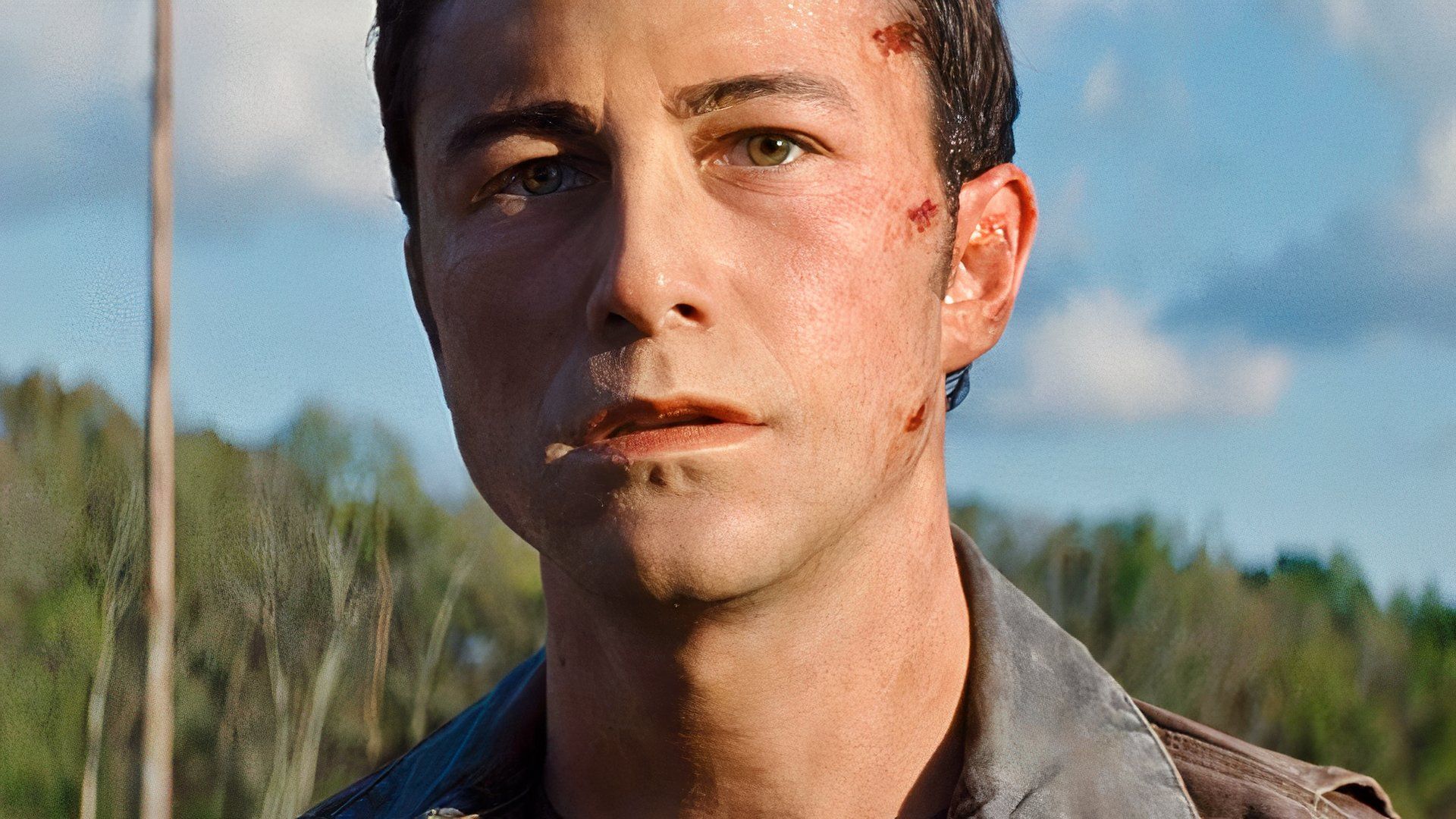
Hollywood knows you love a time travel movie. The sci-fi movie subgenre offers huge potential for imaginative stories, as well as channeling the essential human condition of regretting the past and wanting to change things, and looking beyond the mortal limits of this fragile life. Deep, but that's why we love it.
Some of the most acclaimed time travel movies are actually the most accessible. Movies like Primer and Time Crimes are dark and high-concept and are better described as cult gems rather than universally beloved releases. But such is the variety offered by the genre that it's actually very possible to make movies with complex time travel ideas that find massive audiences and major box office performance.
There are great also movies that sit off to the side of conventional time travel movies like Groundhog Day, It's a Wonderful Life, and Tom Cruise's excellent Edge of Tomorrow, but they don't really count as time travel movies. They're either time loop movies or Dickensian alternate timeline movies. The time travel movies that endure across generations are the ones that balance complex mechanics by wrapping them in warm, recognizable human stories with emotional engines that mean you don't have to get a whiteboard out to explain everything. These are the most universally beloved time travel movies of all time.
7 Bill and Ted’s Excellent Adventure (1989)

History homework has never been so joyful as it was with Stephen Herek's Bill and Ted's Excellent Adventure. Essentially launching the career of Keanu Reeves, the 1989 comedy stars him alongside Alex Winter as San Dimas slackers who come perilously close to flunking school and breaking up their band, which turns out to be key to an unlikely utopian future.
Bill S Preston Esquire and Theodore "Ted" Logan receive a time-traveling phone booth from George Collins' achingly cool Rufus to jump through time and round up key historical figures for an academic oral presentation. The time travel element is delightfully straightforward, as, here, time moves at a constant parallel rate, meaning the clock in 1988 advances at the same rate as the boys bounce through the circuits of time. They have a time limit before they have to make their oral, keeping the drama ticking along.
Naturally, things go sideways when Napoleon goes bowling, and Socrates hits the mall. Released to positive reviews, the film has become a generational classic, thanks to the infectious chemistry between Winter and Reeves and an unapologetically sweet "be excellent to each other" ethos that's universal.
6 X-Men: Days of Future Past (2014)

Before Avengers: Doomsday, another major Marvel crossover brought back the original Fox X-Men for a masterpiece comic book movie that brought incredible emotional stakes and a unique time travel element that split the movie into two timelines running concurrently.
Hugh Jackman's Wolverine is at the heart of the time travel concept, as his future mind is sent back in time into his older body in 1973, by Kitty Pryde. That allows for Wolverine to team up with the younger version of the X-Men he starred alongside in order to avert a crisis caused by Mystique's assassination of the president, which caused a knock-on effect that would eventually help eradicate mutant kind.
The stakes are incredible, and watching the future X-Men fend off attacks by the terrifying, updated Sentinels to try and keep Wolverine's mind anchored in the past remains some of the best action sequences in the franchise. Plus, seeing that much talent on show makes X-Men: Days of Future Past one of the very best X-Men movies we've ever had.
5 Looper (2012)
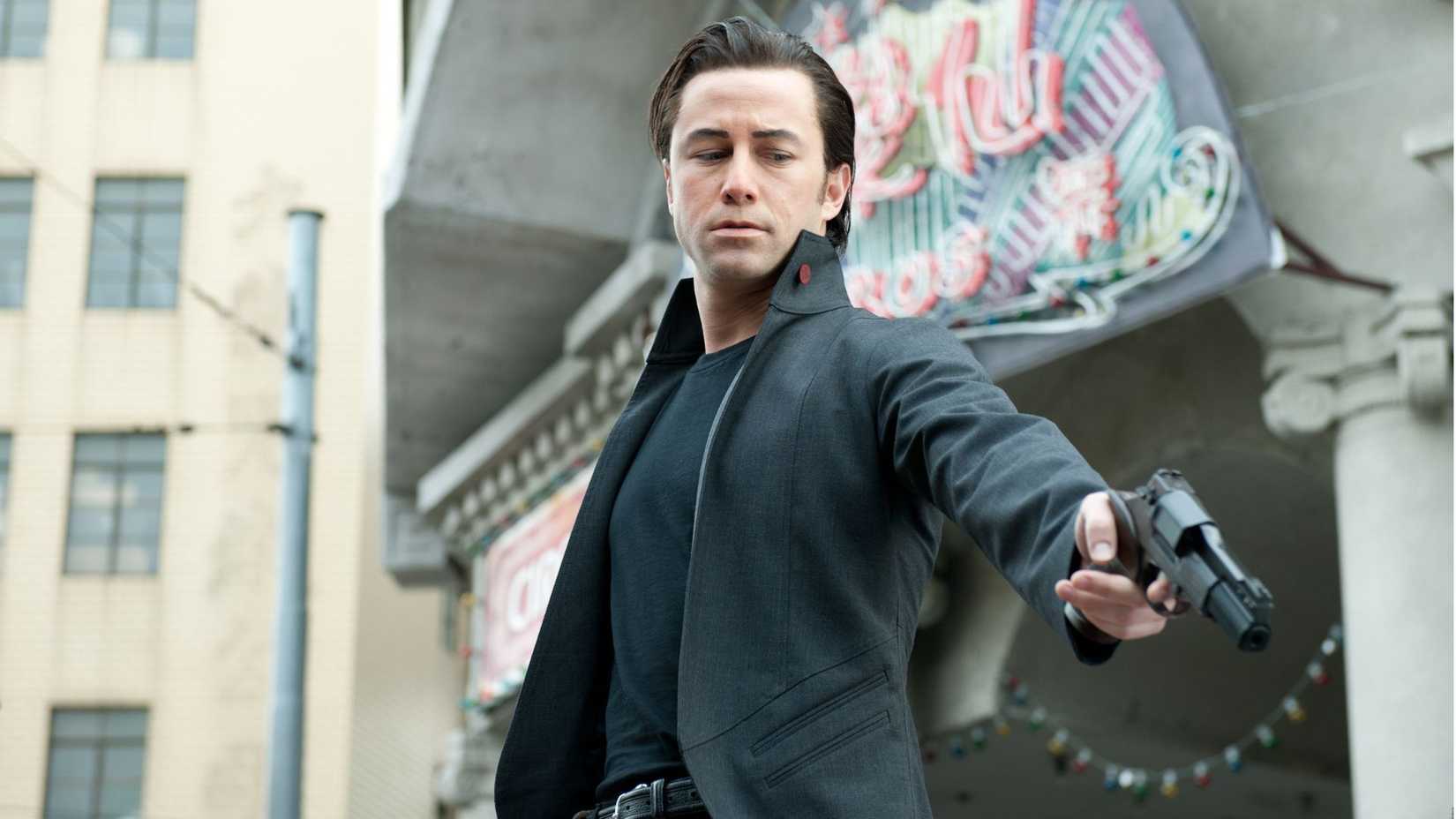
Before he decided to take on the, some might say, poison chalice of Star Wars, Rian Johnson made Looper, an incredibly clever, gritty sci-fi thriller that balanced its high concept with emotional character drama but avoided too much technical temporal nonsense.
Set in 2044, Looper tells a story of temporal hitmen who execute targets sent back from 2074 by crime syndicates looking to dispose of bodies. Things unravel when the hero Joe, played by Joseph Gordon-Levitt, is contracted to close his own loop by killing his older self, played by Bruce Willis.
Johnson uses a reactive timeline where changes in the present ripple forward into the older version's memories and body in real time, most notably in a traumatic mutilation scene that causes an older version of a character to lose his limbs on the spot. Looper also consciously waves away the headaches of causality. When Bruce Willis's character snaps at his younger self to not waste time drawing diagrams, it's an incredibly smart time travel sci-fi. It earned almost $180 million worldwide against a $30 million budget, but since its release, its reputation has grown to almost masterpiece status.
4 Idiocracy (2006)
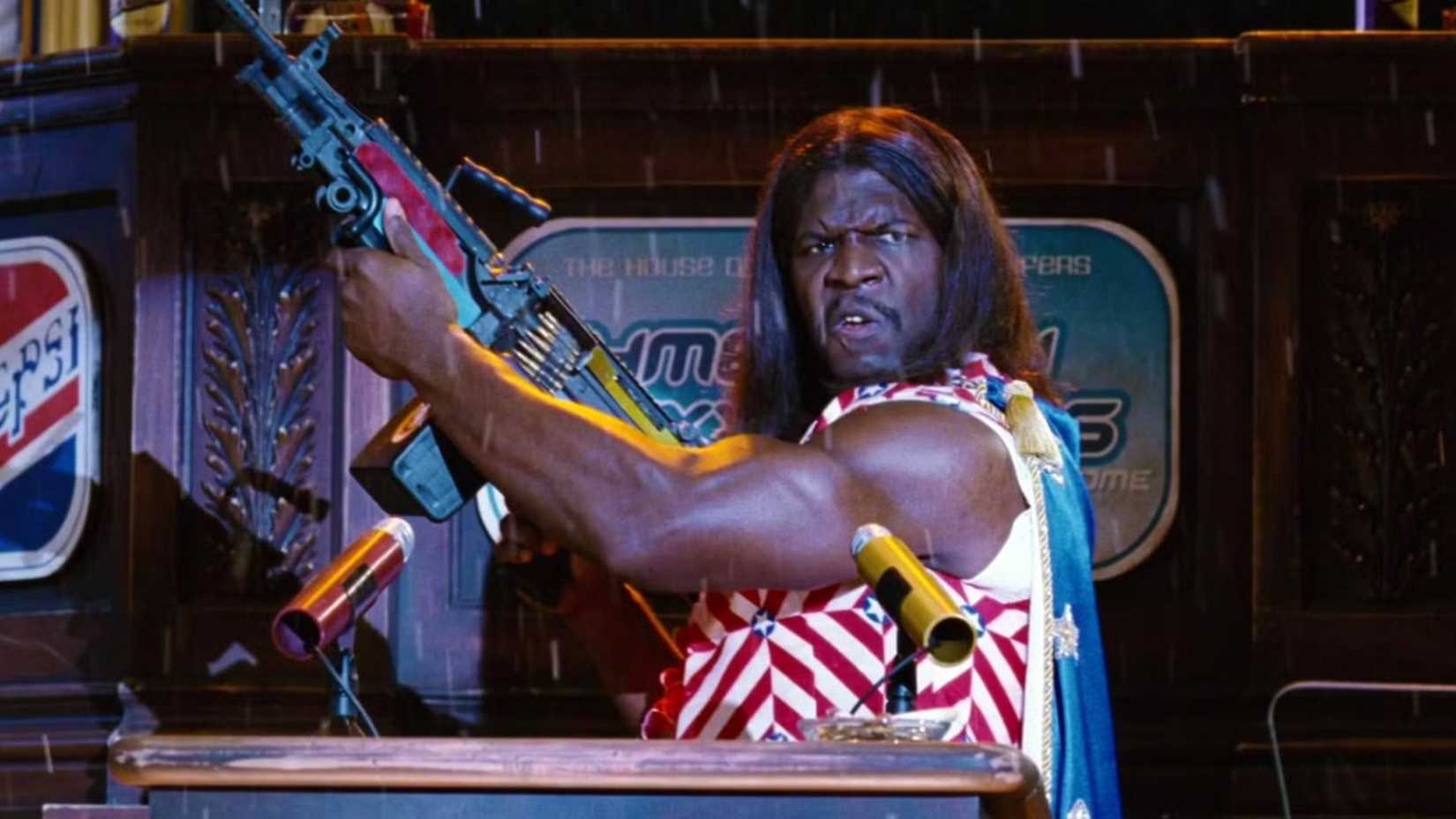
20 years on, Mike Judge's dystopian time travel comedy doesn't have a machine that jumps through time, but rather takes the simple route of hibernation. The story puts Luke Wilson's Joe Bauers on ice, along with sex worker Rita (Maya Rudolph), and then forgets about them for 500 years.
When they wake up in the year 2505, anti-intellectualism and corporate branding have taken over the world, making Joe - by all conventional wisdom an average man - the smartest man alive. The movie is like a Black Mirror-like horror and it doesn't go into paradoxes or butterfly effects or timeline branches because it's strictly one-way travel.
In place of high science, Judge fills Idiocracy with biting satire that feels uncomfortably close to the bone. 2006, infamously dumped by 20th Century Fox and earning less than $500,000 at the box office. Idiocracy attracted great reviews and has now gone well beyond the point of cult to be basically adored by everybody who's seen it.
3 The Terminator (1984)
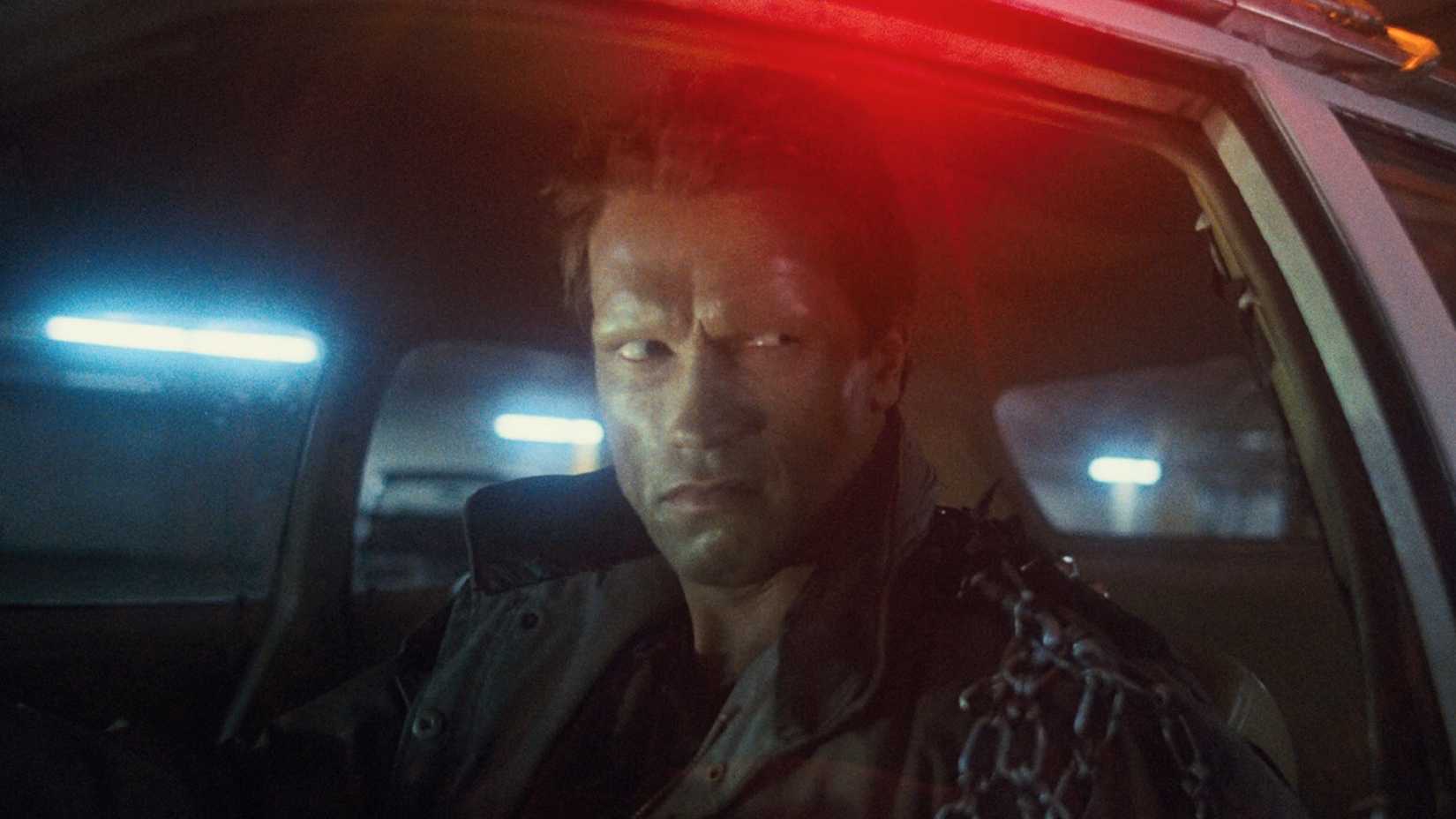
Like Idiocracy, Terminator's dystopian future creeps towards us with worrying accuracy. The more we pay no attention to the lessons of sci-fi, the more the franchise tangled itself in knots and released a series of inferior sequels. James Cameron's original The Terminator delivered one of the tightest time travel stories ever put on film.
With humanity winning its war against Skynet in 2029, the machines send Arnold Schwarzenegger's relentless cyborg assassin back in time to kill Sarah Connor before she can give birth to the crucial resistance leader, John Connor. Again, the time travel here is largely quite simple: Cameron uses a closed causal loop, a sort of bootstrap paradox where the future creates itself. And crucially, that complicated impossibility didn't distract from what is an excellent sci-fi.
Michael Bay's Kyle Reese jumps back in time to protect Sarah but ends up fathering John, who sent him back from the future timeline in the first place, and he ends up leaving behind the very technology that Skynet needs to be built in the first place. Along with the relentless terror of the Terminator himself, the horror lies in the idea that there's no changing fate: we are all just fulfilling it.
Made for just $6.4 million, the film earned $78 million worldwide and is a genuine masterpiece that the studio has chased the highs of ever since.
2 Avengers: Endgame (2019)

It's ironic watching Endgame back now, given it mocks how other time travel movies present time travel, especially in the explicit rejection of Back to the Future's rules, because the MCU pretty quickly moved away from its restrictive time travel rules as soon as it could. Even with that complication, the Russos' Avengers: Endgame uses time travel incredibly well to resolve Thanos' devastating snap that had wiped out half of all life.
The actual mechanics of Endgame's time travel are pretty imaginative, as the heroes use Ant-Man's Quantum Realm to travel through temporal wormholes and borrow the Infinity Stones from earlier points in the timeline (before having to restore them at the exact point they were removed in order to stop their branches being corrupted).
The introduction of the idea that changing the past cannot alter your own present is a pretty clever contrivance, as it sets up Captain America's jump to the past. While this year we'll see the actual fallout of what the Avengers did, thanks to Avengers: Doomsday, Endgame's time heist remains one of the strongest story points in the entire MCU.
1 Back To The Future Trilogy (1985-89)

You can't really focus on just one Back to the Future movie when talking about beloved time travel movies, because Robert Zemeckis and Bob Gale's Back to the Future trilogy acts as a perfect three-movie arc. That takes Marty McFly and Doc Brown from 1955 to 1985, 2015, and 1885.
The first movie is an absolute, undisputed masterpiece, and the decision to make the sequels back-to-back (while expanding on the stinger at the end of the first movie and exploring both the future and the distant past) proved an inspired move.
In terms of time travel rules, the trilogy runs on a single timeline that can be affected, but with a built-in delay. Changes to the past do ripple forward gradually, but not immediately, which allows Marty to intervene in his parents' youthful love life before he joins his siblings in fading out from the family photograph. It is, of course, scientifically nonsensical, but nobody cares because the visual storytelling of Marty and his siblings disappearing communicates the stakes immediately.
The sequels broaden things out: first introducing the idea of Marty trying to meddle in his own future using the Sports Almanac, and then having to go to the past to retrieve Doc Brown to stop him being murdered by Mad Dog Tannen. Every element here is top tier, from Alan Silvestri's soaring score to Michael J. Fox and Christopher Lloyd's incredible double act. The Back to the Future trilogy is a rare example of something that feels endlessly rewatchable from start to finish, and when they eventually remake it, riots might break out. And justifiably.
KioskNews shows a cleaned-up reading view extracted from the publisher’s page — the original always lives on their site, not ours.