Indonesia’s commodity export U-turn: no monopoly, just all the data

Indonesia has abandoned plans to make a powerful new state-owned enterprise the “sole exporter” of its palm oil, coal and ferroalloys, in a move that has reassured some businesses, even as questions over oversight and pricing remain.
President Prabowo Subianto’s original proposal to tighten the government’s control over the three major commodities, put forward in May, had prompted speculation that state-linked companies could gain an unfair advantage through access to commercially sensitive data – a concern that persists.
The three commodities collectively generated US$66.13 billion in export value last year, accounting for 23.4 per cent of Indonesia’s total export earnings.
Prabowo said in May that the new entity, later named Danantara Sumberdaya Indonesia (DSI), would oversee all exports of palm oil, coal and iron-based alloys used in steelmaking, known as ferroalloys – a category that includes nickel – to tackle corrupt practices such as under-invoicing, or declaring a lower export price than the real one to avoid taxes.
Last week, Jakarta backtracked, announcing that DSI would instead act as an export monitoring body rather than the sole exporter.
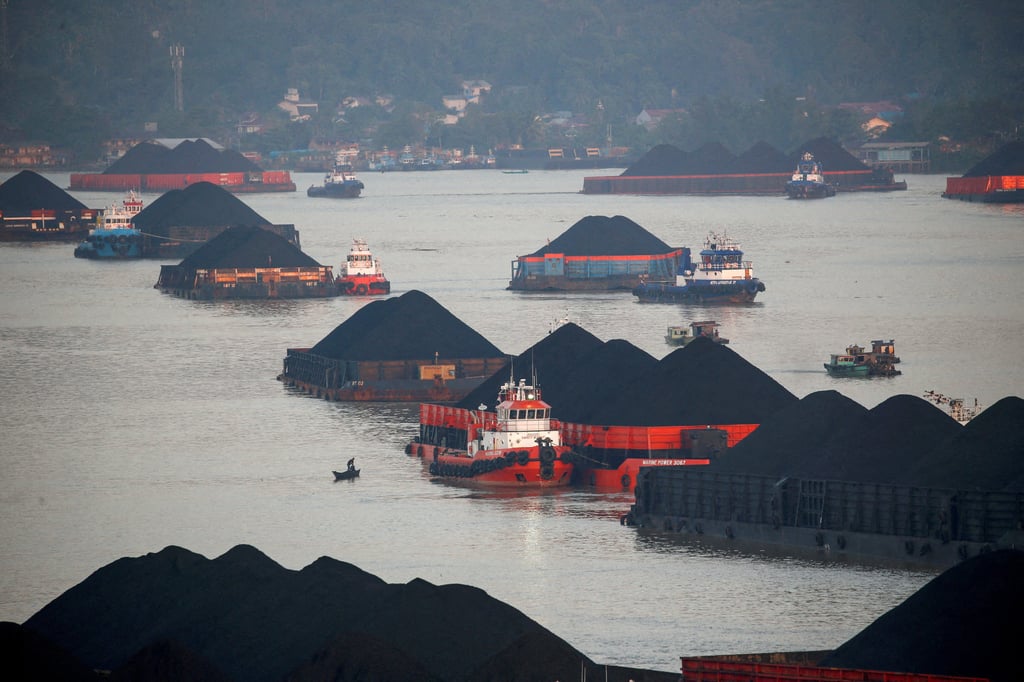
A fact sheet issued on November 6 by the Coordinating Ministry of Economic Affairs called DSI the “sole intermediary” for the three commodities, with a remit that included reviewing documents and transaction data.
“DSI does not buy, sell or take ownership of the goods,” it said. “Commercial transactions remain the responsibility of the exporter. Negotiations, pricing, contracts, shipping and payment continue to take place directly between the exporter and the buyer.”
Under the new system, exporters will need to submit declarations in real time via DSI’s Nadi (national data intelligence) platform, which began pilot testing last month.
About 100 exporters that officials say account for 50 per cent of the three commodities’ export value have tested the platform so far. It is scheduled for a full roll-out on January 1.
Exporters must still obtain customs clearance, with DSI examining sales contracts, weight certificates and all final invoices before and after customs approval, according to the fact sheet. DSI will also charge exporters service fees, the size of which has not been disclosed.
Jakarta has also eased a rule, first introduced in 2019 and later tightened, requiring natural resource exporters to keep their foreign currency earnings in Indonesia.
Non-oil-and-gas resource exporters previously had to deposit all proceeds in state-owned banks for at least 12 months, but mining companies with at least a 10 per cent shareholding from Japan, South Korea, the European Union, the US, mainland China, Hong Kong, Australia or Canada are now exempt from the full mandate.
They must still retain at least 30 per cent of proceeds onshore for three months – including in selected private and foreign banks – while the remaining 70 per cent can be used as they wish.
05:11
Why is palm oil in so many products worldwide? A food scientist explains its versatility
Low fee expectation
Eddy Martono, chairman of the Indonesian Palm Oil Association, said some of its members had joined the Nadi pilot project to show support for DSI.
“[The Nadi platform] is actually the same as the current customs-excise information system and automation. Its purpose is simply to ensure that our export transactions are correct,” he said.
“Whether there are any issues or whether it [the system] is actually hindering exports, that will only be discovered after the trial runs.”
Gita Mahyarani, executive director of the Indonesian Coal Mining Association, said miners “support government efforts to improve transparency and governance of coal exports”.
“We hope that the DSI verification process will be effective, with clear mechanisms and adherence to international trade practices. Most importantly, [we hope] this process will not create obstacles or delays in exports,” she said.
Both associations expect DSI’s service fees to add little to operating costs.
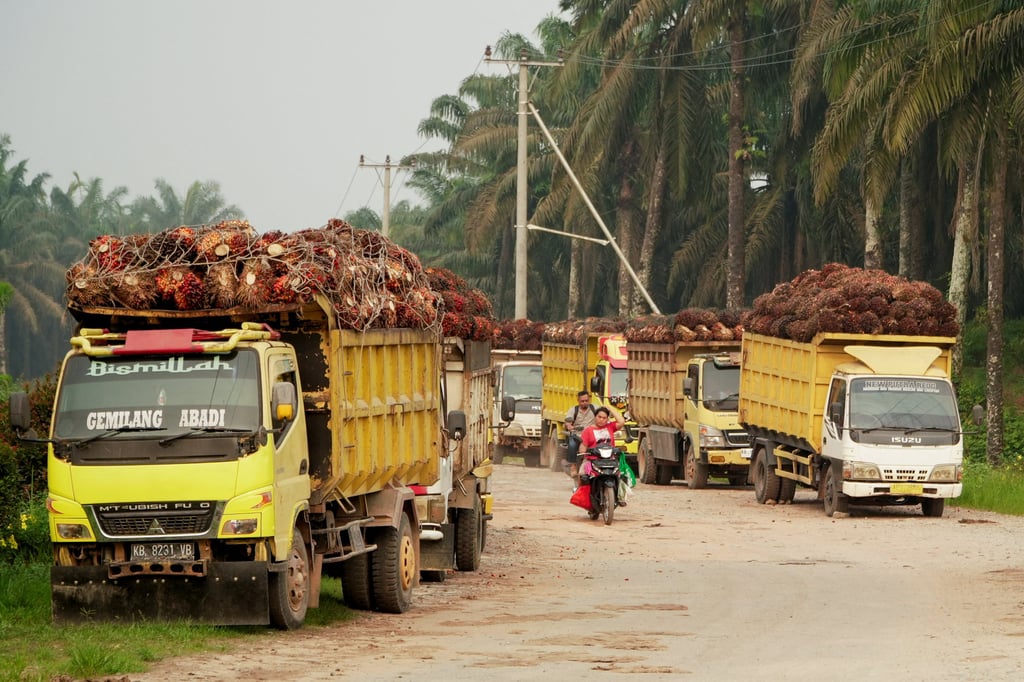
Indonesian palm oil exporters are already required to set aside a portion of their output for the domestic market, with at least 35 per cent of that domestic quota channelled through state firms.
“We already have a burden, which is the domestic market obligation, plus we have to pay export-related costs and taxes,” Martono said.
‘Moral hazard’
Economist Bhima Yudhistira, executive director of the Centre of Economic and Law Studies in Jakarta, said the recent rule rethink exposed flawed planning and a failure to consider the legal complications of placing the three commodities under one entity.
“This shows that the policy was issued without proper research. The government … used resource nationalism without adequate preparation,” he said, calling it “demagoguery”.
“The backlash and political risks, including international lawsuits, were not taken into account, leading to policy backtracks.”
Easing the foreign exchange retention rule for certain countries and jurisdictions could also be seen as “discriminatory”, Bhima said.
“Some countries with stronger lobbying power to the Indonesian government receive relaxation,” he said. “This is vulnerable to World Trade Organization challenges and international arbitration.”
Confusion also lingers concerning whether DSI would ultimately set commodity prices, said Andry Satrio Nugroho, an industry and trade specialist at the Institute for Development of Economics and Finance.
“In August, the DSI stated it had no authority to set reference prices, but now the minister of trade said that the DSI will establish a fair price range [for the commodities],” he said.
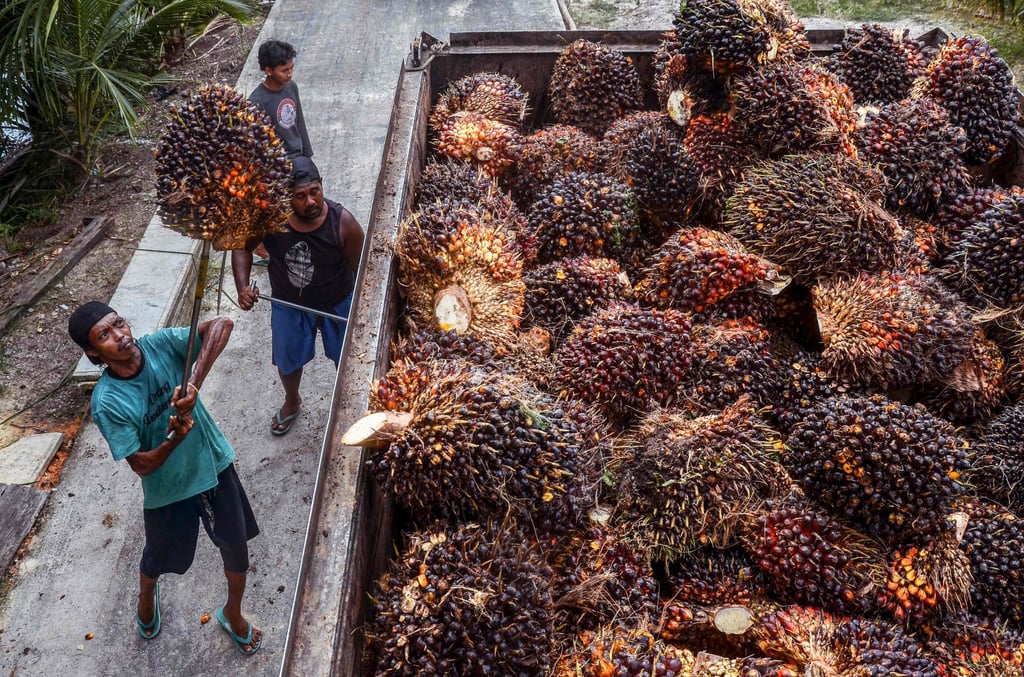
On November 6, Trade Minister Budi Santoso said that the new export body would set a “normal” price range for the commodities based on “export benchmark price, commodity exchange prices and other commercial parameters”.
Andry noted that the legal framework giving DSI the power to buy, sell and set commodity prices had not yet been finalised. The Coordinating Ministry for Economic Affairs has said it aims to finalise the regulatory revision by the end of this month.
Analysts also flagged the risk of export data being used to benefit Danantara, the state wealth fund and DSI’s parent, or its affiliated entities.
“The beauty of DSI is that those close to power have access to it, including state-owned mining and palm oil companies. They can find out the prices set by their private competitors and their potential buyers,” Bhima said.
“This would create a significant moral hazard. If not properly safeguarded, data on buyers, contracts and prices could be misused by state-owned companies to bypass their private sector competitors in the natural resources sector.”
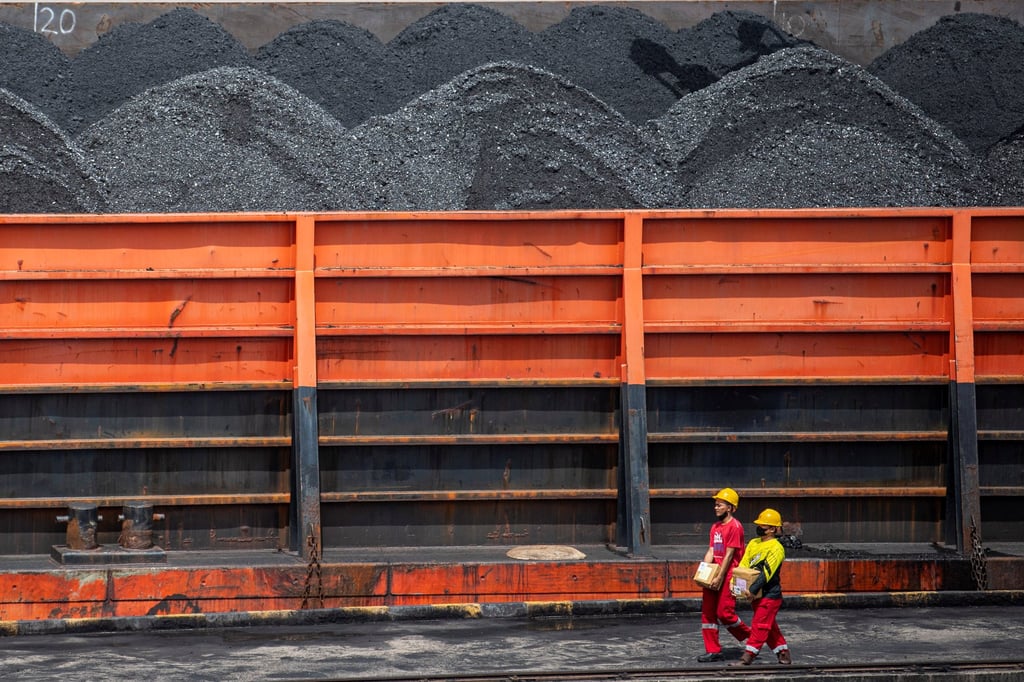
Airlangga Hartarto, the coordinating minister for economic affairs, has said the government is “open to various inputs” about the new system and will evaluate it “periodically”.
Martono said palm oil exporters were ready to share their feedback with the government.
“The ships certainly can’t wait. If buyers already sign contracts and place orders, their ships will arrive [at the ports], and the meter will start. There will be demurrage if the shipment is late,” he said, referring to fines charged when cargo was held up by customs or documentation delays.
“We’ll find out later if [the new system] makes it slower. If so, we’ll definitely provide feedback.”
KioskNews shows a cleaned-up reading view extracted from the publisher’s page — the original always lives on their site, not ours.