Governors And Their Independence: Controversies Over The Years
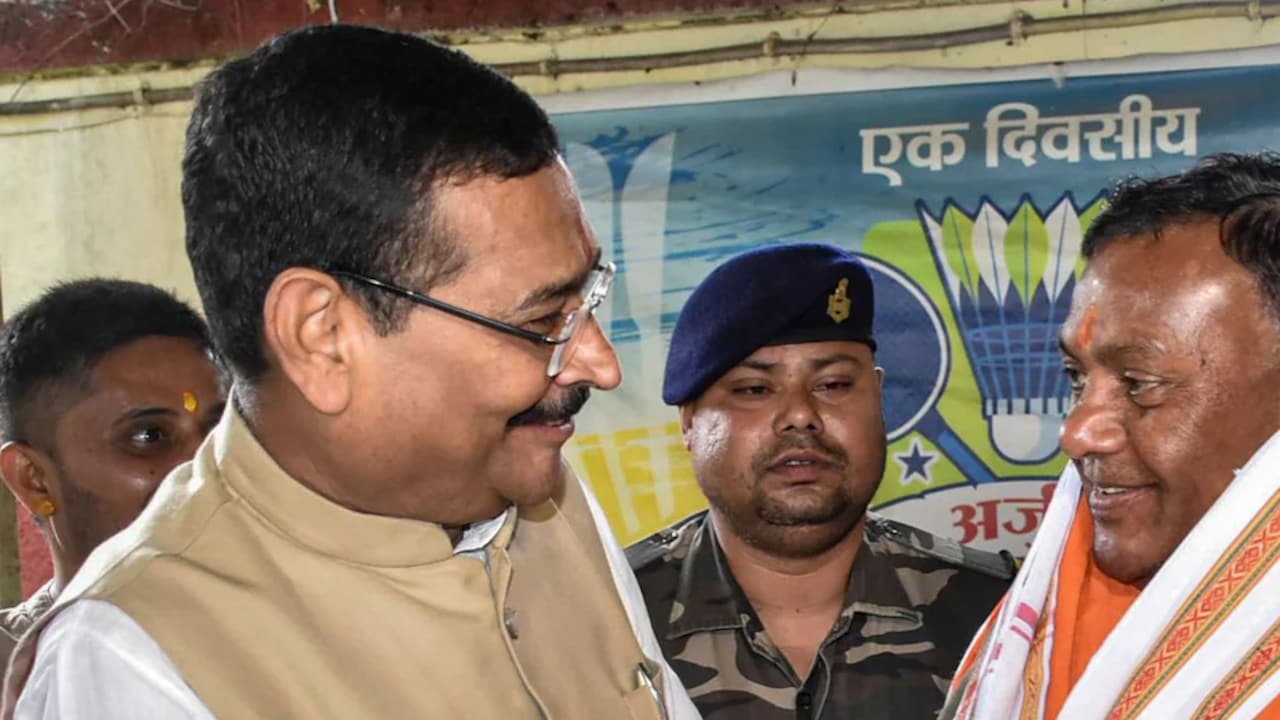
A recent video of the Odisha governor that has been widely circulated, has again brought the focus back on the role of Governors and the string of controversies that have cropped up over the years.
Odisha's newly appointed Governor Braj Mohan Ram had stepped into a controversy even before he took oath, saying he would strengthen the party organisation among the state's Scheduled Castes community in Odisha and work to ensure that the BJP gets as many votes as possible.
The Opposition parties have said it places a huge question mark on the neutrality needed by one who would occupy the constitutional office of the Governor.
Many Governors over the years have smudged the lines, leading to massive political friction.
Andhra Pradesh, 1984
While then Chief Minister NT Rama Rao was in the US undergoing coronary bypass surgery, then Governor Thakur Ram Lal without waiting for his return or holding a floor test, dismissed his government and installed rebel leader N Bhaskara Rao as Chief Minister. After massive public outrage, he resigned and NTR was reinstated.
Bihar, 2005
Then Governor Buta Singh recommended the premature dissolution of the Bihar Legislative Assembly before it could even meet, citing fears of horse-trading. The Supreme Court declared the dissolution unconstitutional and politically motivated.
Jharkhand, 2005
The BJP-led NDA allied with 5 Independent MLAs for a majority and proposed to form government. Governor Syed Sibtey Razi ignored the NDA's majority and instead invited Shibu Soren of the Congress-allied JMM to form government.
The Supreme Court intervened, ordering an immediate floor test, which Soren failed, forcing his resignation after just 9 days.
Karnataka, 2011
Governor HR Bhardwaj bypassed normal administrative channels and granted sanction to prosecute the sitting Chief Minister BS Yediyurappa in a corruption case, sparking a massive political storm.
The BJP formally met the President of India demanding his recall, stating that Bhardwaj was acting as a "Congress activist" trying to bring down an elected government.
Rajasthan, 2019
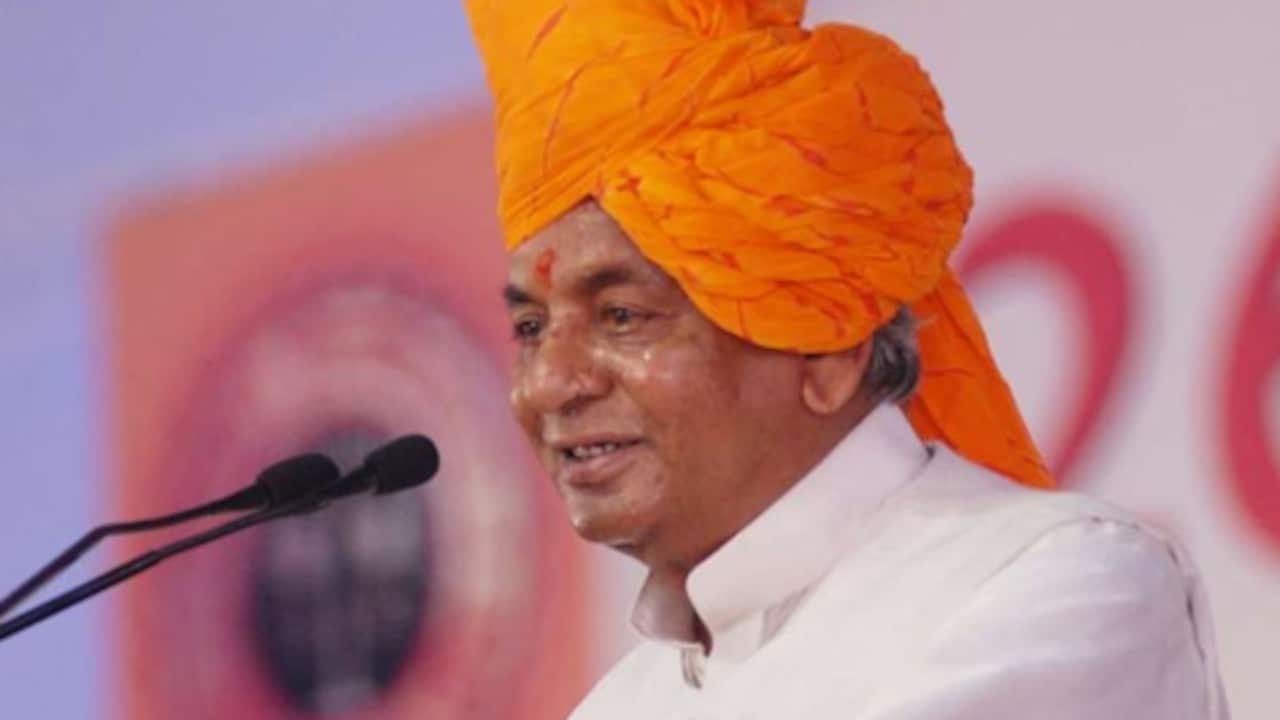
A statement by then Governor Kalyan Singh led to a major controversy. "We all are BJP workers and we want the BJP to emerge victorious. We want that once again Modi ji should become the Prime Minister. It is important for the country and the society," he had said.
The Election Commission concluded that his remarks prima facie violated the Model Code of Conduct as Governors are required to remain strictly apolitical.
Maharashtra, 2019-2022
After a fractured electoral mandate, the Governor imposed President's Rule after a prolonged deadlock. Then he revoked it abruptly to facilitate the oath ceremony of Devendra Fadnavis as Chief Minister.
Tamil Nadu, 2023
By delaying assent to several bills, including one seeking an exemption from the NEET, Governor RN Ravi raised concerns about overreach.
What the Supreme Court said
Both the Supreme Court and a couple of Central Commissions have repeatedly underscored the need for non-partisanship on part of a Governor.
In the Rameshwar Prasad vs Union of India case, the Supreme Court said in 2006 that the Governor cannot act to preserve or advance the political interests of a particular party.
The Court emphasised that a Governor must remain a "neutral arbiter" who is completely detached from local and national party politics.
In 1974, in the Samsher Singh and Anr. vs State of Punjab case, the Supreme Court ruled that the Governor is primarily a constitutional head, bound by the advice of the council of ministers, except in specific instances explicitly provided by the Constitution.
In 1994, the Supreme Court, in the SR Bommai case, provided guidelines to restrict the unlawful use of Article 356, reaffirming the federal structure of governance and the Governor's role as a constitutional guardian rather than an agent of politics.
In 2016, in the Nabam Rebia versus Deputy Speaker case, the top court said the Governor's discretion should not override democratic principles or undermine the Council of ministers.
Recommendations of Central Commissions
Sarkaria Commission (1988): Recommended that the Governor must be a detached figure who has not taken an active part in politics recently (especially in the state of their appointment).
Punchhi Commission (2010): Advised that active politicians be barred from being appointed as Governors so that the dignity and neutrality of the "Raj Bhavan" are not compromised.
KioskNews shows a cleaned-up reading view extracted from the publisher’s page — the original always lives on their site, not ours.