Cupping, ice baths and sleep: A deep dive into the science of recovery
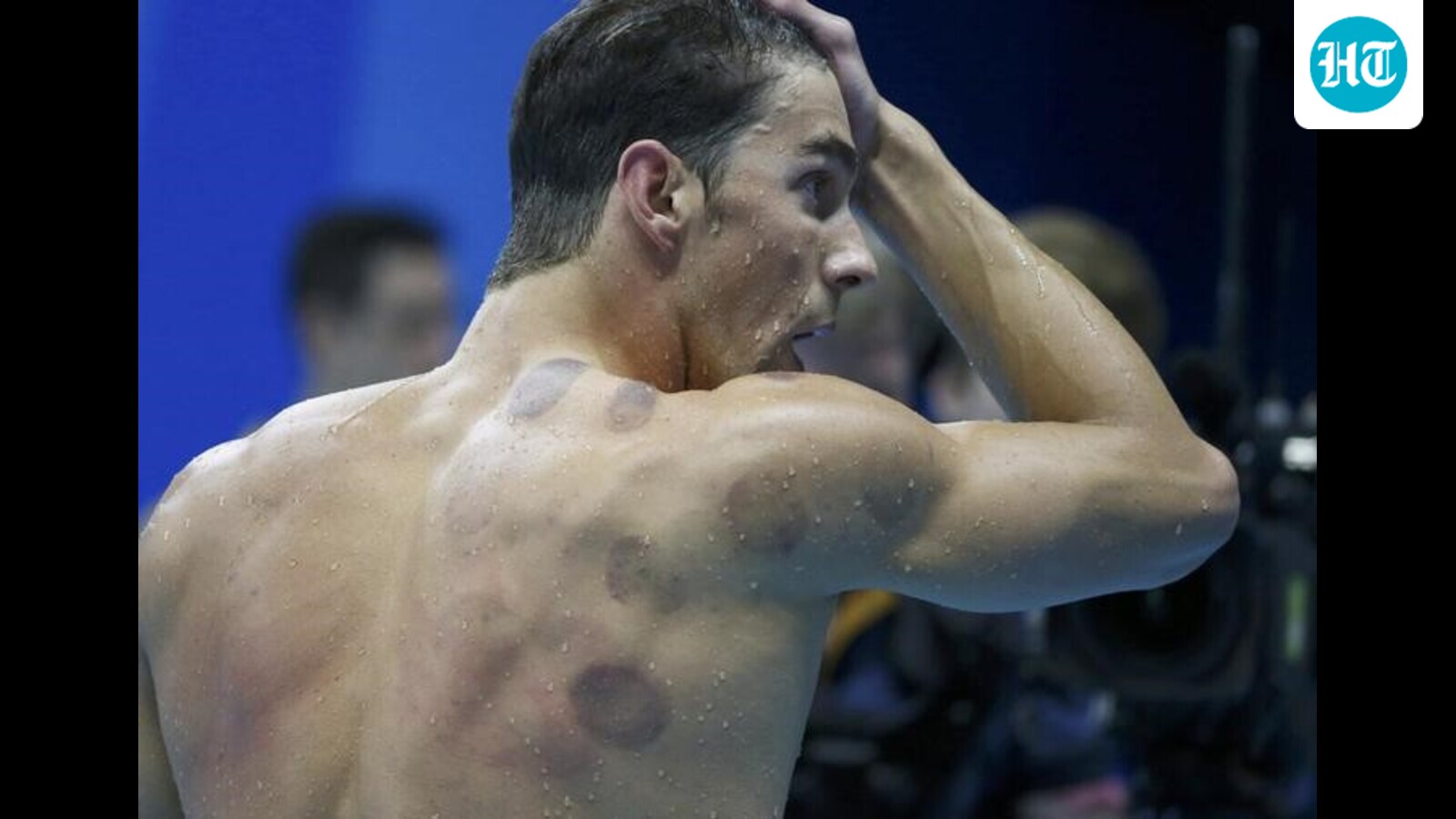
New Delhi: Cupping marks on shoulders, compression boots between events, ice baths after competition are all familiar sights at multi-discipline tournaments. At the ongoing Asian Games, athletes are being asked to compete again before their bodies have had enough time to recover.
PV Sindhu, for instance, had to play three matches within 18 hours, a schedule she said significantly affected her physical condition and recovery.
Gulveer Singh raced and medalled in the men’s 10,000m, 5000m and 1500m all in a span of four days, while Vithya Ramraj ran the 400m hurdles, where she broke the national record, before returning the next day to anchor India’s gold-medal winning 4x400m relay team.
China’s 13-year-old Yu Zidi competed in three individual swimming events, winning gold in all three and setting Asian records along the way.
At tournaments requiring athletes to compete repeatedly with little time between events, recovery shifts from finding the perfect protocol to maximizing whatever window is available.
Sleep, nutrition, hydration, active recovery and fatigue monitoring become critical, while modalities such as cold-water immersion, compression and massage can help athletes get ready for the next event.
But as sports scientists point out, the most sophisticated recovery room cannot manufacture hours that a competition schedule does not provide.
Samuel Pullinger, Head of Performance Science, Inspire Institute of Sport, believes the foundation remains surprisingly simple. “Recovery of an athlete really is a three-pillar factor. Obviously, the sleep, the nutrition and the mental health or well-being of the athlete. Those are the three core components,” he told HT. “Once we get to the elite game, this is where the recovery modalities come and play a role as well.”
Pullinger ranks sleep as the most important component of recovery, ahead of food-first nutrition and hydration, with modern recovery gadgets coming later.
“Sleep is the absolute foundation when it comes to recovery,” he said, pointing to its role in tissue repair as well as the consolidation of technical and tactical learning. Nutrition follows. A food-first approach provides the macronutrients needed to repair muscle damage and replenish depleted glycogen stores, while hydration helps regulate core temperature, cardiac output and nutrient delivery.
How do athletes really recover?
In multi-discipline tournaments such as these, training loads may need to come down, while recovery will become more deliberate to ensure enough movement to stay loose, enough food and hydration to replenish, enough sleep to repair, and enough monitoring to ensure fatigue does not accumulate unnoticed.
Pullinger estimates that optimal recovery can provide a performance advantage of between one and five per cent, depending on the sport and recovery method. At the elite level, that margin can make the difference between a medal and finishing outside the podium. For athletes facing repeated competition, the first few hours after an event become particularly important.
“In general, we can say 0-24 hours post-competition,” Pullinger says. “I will normally recommend for the athlete to go for a light, active recovery within the first 10-15 minutes. That could be a small jog, cycling.”
It is then followed by nutrition and hydration to replace energy expended during competition. Where appropriate, cold-water immersion is used within 30-60 minutes to reduce swelling and inflammation, before further nutrition, hydration and relaxation later in the day.
How it differs among athletes
The protocol will look different across sports though. Combat athletes, for instance, can face several bouts in a day or competitions separated by 24 to 48 hours, creating a very different recovery demand from an athlete who has several days between events.
Wayne Lombard, an Athletic Performance Specialist from South Africa who works with multiple Indian athletes including Sindhu and the hockey team, believes combat athletes can incorporate yoga asanas to address sport-specific muscular and joint imbalances, alongside pranayama to manage stress, while cricketers can use pre-season fitness screening to monitor cumulative workload.
In the era of wearables such as Fitbits, Oura rings and Whoop that monitor workload, performance and recovery, indicators such as training load, sleep and heart-rate variability give coaches and sports scientists a better picture of whether an athlete is ready for another hard session or needs additional recovery.
“For instance, cold-water immersion works, but it works for a narrow, specific purpose. Used wrongly, it can quietly cost an athlete the very adaptations they’re training for,” he said.
Lombard says cold-water immersion has a role when the priority is to recover quickly and perform again within 24 to 48 hours, such as cricket, hockey or badminton tournaments. But it is less appropriate when the objective is to adapt to heavy strength training.
“The principle I coach to is simple: cold to recover, not to adapt. Match the intervention to whether the day’s goal is bouncing back or getting better,” he explained.
Other important recovery methods that still remain uncommon in India according to Lombard are, “Well-run hydrotherapy, contrast and cold-water pools with proper temperature control, not an ice bucket.”
“Intermittent pneumatic compression (recovery-boot systems), which are cheap, well-tolerated, and everywhere internationally. Additionally, environmental control for sleep and heat, dedicated recovery and sleep spaces.”
The Asian Games have also been a useful test of how far India’s recovery culture has evolved. The next step may not be adding more machines to the recovery room, but getting more qualified coaches, sports scientists, nutritionists to interpret the available information and try to unlock peak performance.
KioskNews shows a cleaned-up reading view extracted from the publisher’s page — the original always lives on their site, not ours.