Quality indigenous tree seed key to climate-resilient restoration in Eastern Africa
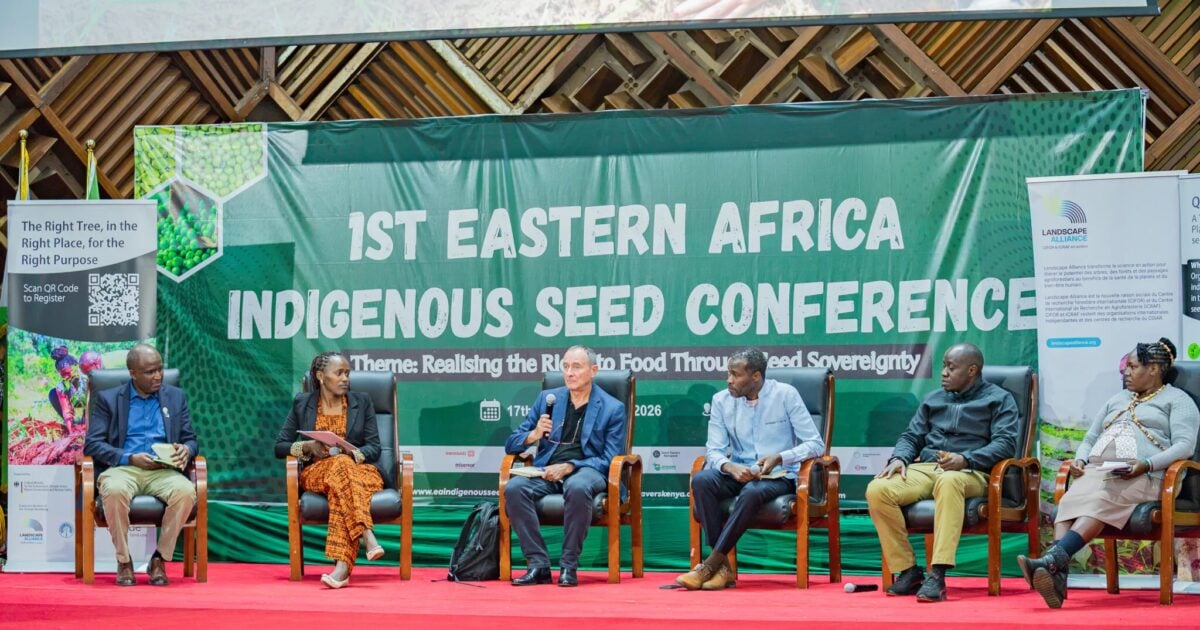
NAIROBI, Kenya, Nov 21 – The success of landscape restoration efforts in Eastern Africa will increasingly depend on the quality and origin of tree seeds, as climate change alters rainfall patterns and threatens the survival of newly planted trees.
Experts have warned that planting trees without considering their suitability to future climatic conditions risks undermining restoration investments, calling for greater investment in quality indigenous seeds and stronger community participation in tree seed production.
The issue featured prominently at the first Eastern Africa Indigenous Seed Conference, held from November 17–20 at the Catholic University of Eastern Africa in Nairobi, which brought together farmers, researchers, policymakers, seed custodians and development partners to strengthen farmer-managed seed systems across the region.
Sammy Carsan, Agroforestry Specialist at Landscape Alliance, said selecting appropriate seed sources was critical to ensuring trees planted today could survive changing environmental conditions in the years ahead.
“The tree you plant today has to survive the climate of future years. And that depends on the seed you choose today,” he said.
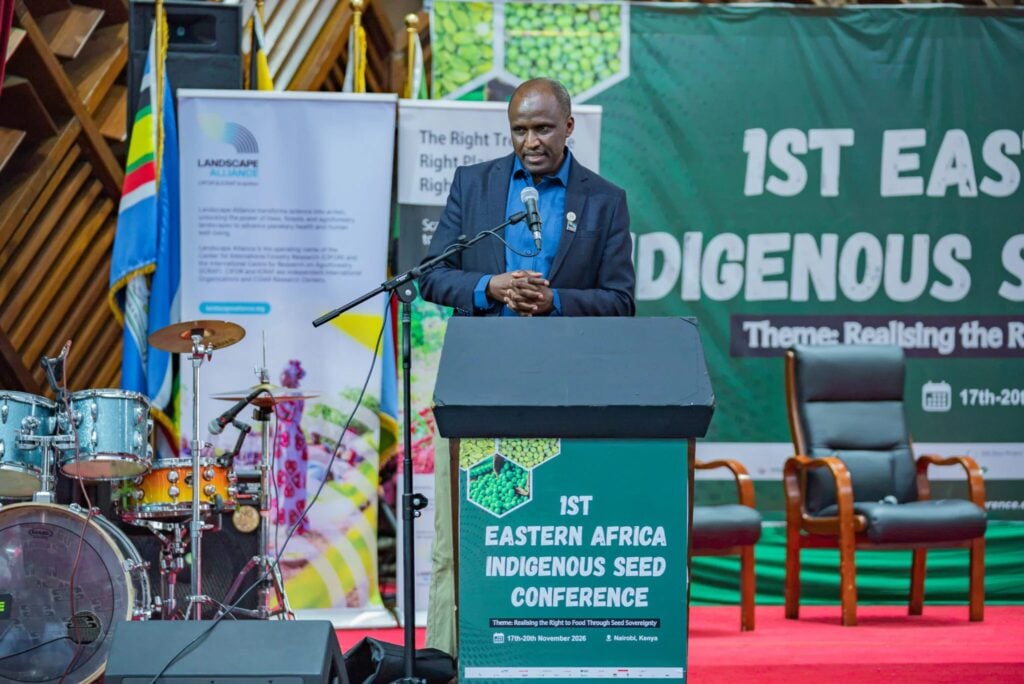
Carsan said restoration practitioners needed to consider tree species characteristics, local environmental conditions and projected climate changes when selecting seeds, warning that unsuitable choices could leave restored landscapes vulnerable as temperatures rise and rainfall becomes increasingly unpredictable.
Roeland Kindt, Senior Ecologist at Landscape Alliance, highlighted the role of scientific research and digital tools in helping practitioners identify suitable indigenous tree species and seed sources for different locations.
He showcased the organisation’s Global Useful Native Trees (GlobUNT) database, which provides information on useful tree species and supports evidence-based decisions on species selection and seed sourcing.
“The underlying principle is simple. We need to have the right tree in the right place, using the right seed source. And digital tools are helping us to do that,” he said.
The tools can help restoration practitioners assess the suitability of native species under different climatic conditions and identify appropriate seed sources for specific planting locations, an important consideration given the ecological diversity of Eastern Africa.
Beyond environmental restoration, experts and community initiatives highlighted the economic opportunities presented by indigenous tree seed production, particularly for farmers and rural communities.
Indigenous tree seed collection, production and nursery enterprises can provide income and employment opportunities while supplying planting materials for conservation and restoration programmes.
Paul Mwanza, Chief Executive Officer and co-founder of Palma Mukuyuni Tree Nursery, said indigenous trees offered communities an opportunity to develop viable businesses while contributing to environmental conservation.
“You can generate income and create a business with indigenous trees, so it is something we should embrace,” he said.
The discussions underscored the importance of involving farmers and local communities across the seed value chain, from collecting and conserving indigenous seeds to producing seedlings and supplying restoration initiatives.
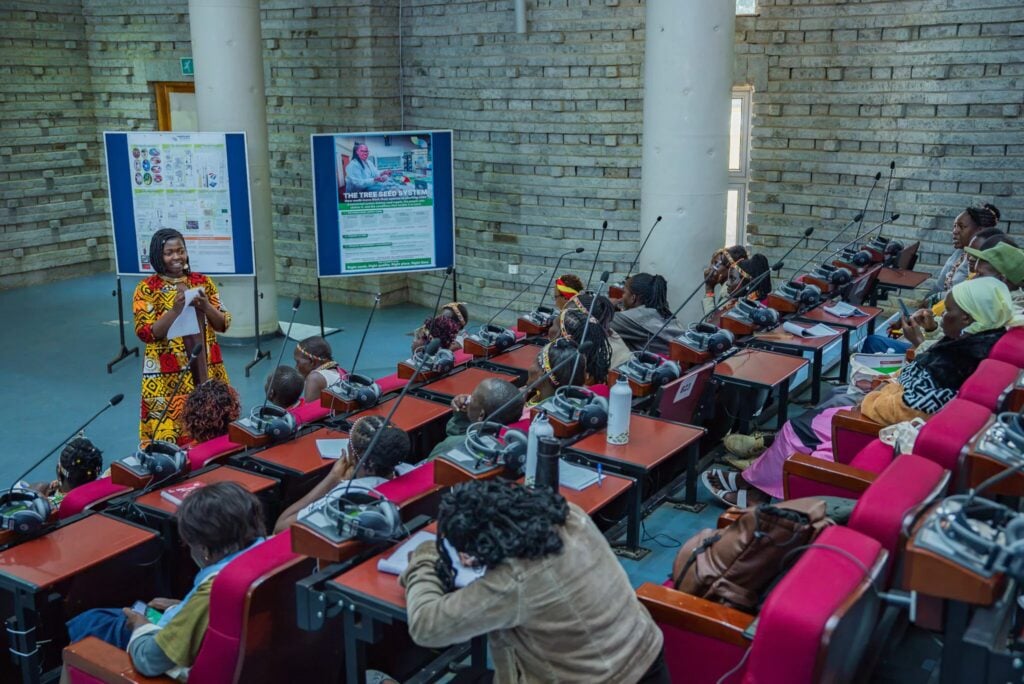
Such participation could strengthen local seed supply systems, create alternative livelihoods and ensure communities benefit from growing investments in landscape restoration.
The conference also highlighted the need to connect scientific research with traditional knowledge and practical conservation efforts, with experts emphasising that successful restoration requires collaboration between researchers, farmers, policymakers and seed enterprises.
KioskNews shows a cleaned-up reading view extracted from the publisher’s page — the original always lives on their site, not ours.