Hours after rescue, lioness that attacked 5 persons in Gujarat dies; rabies suspected
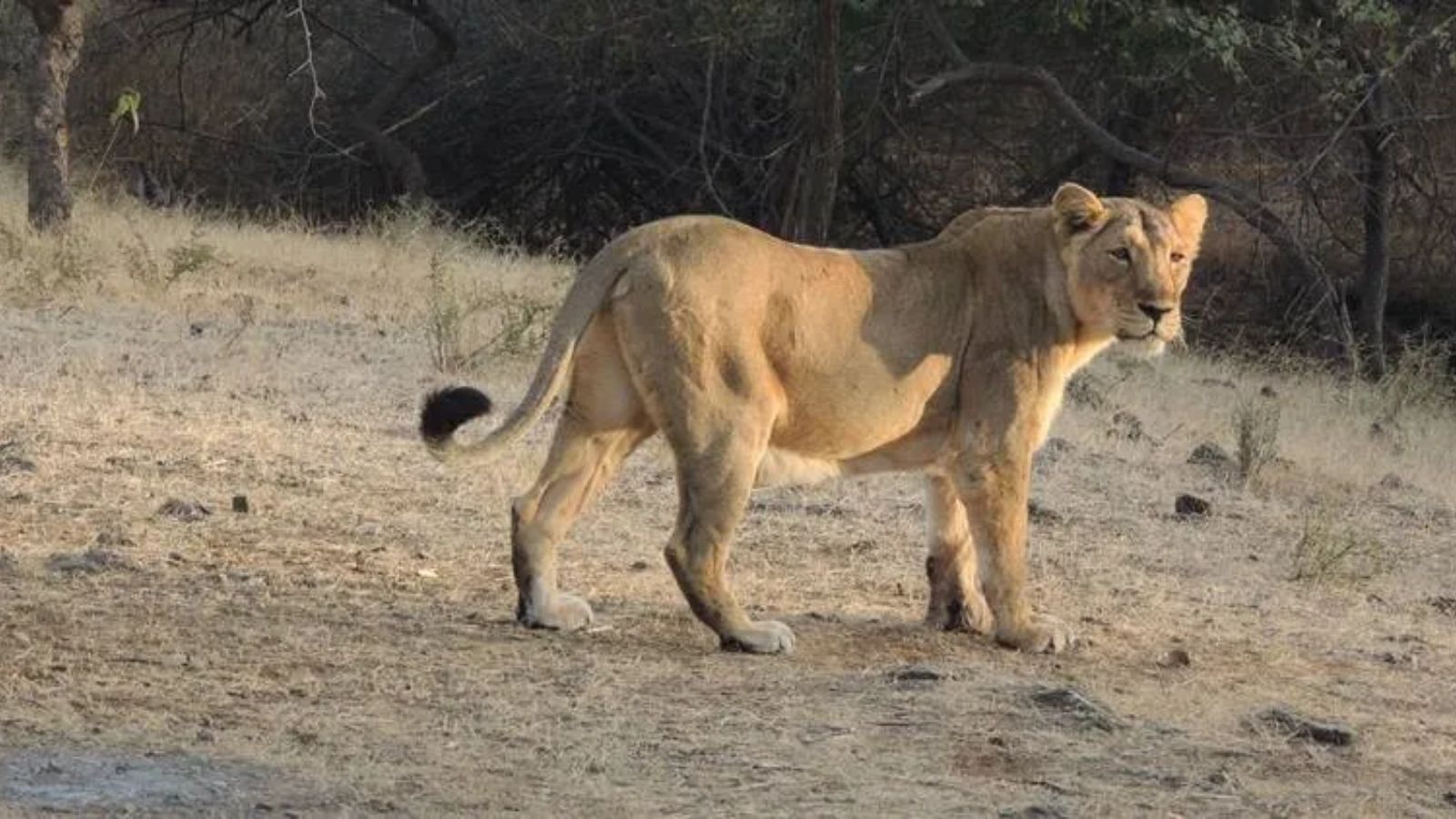
All the five persons injured after being attacked by the lioness earlier have been administered anti-rabies vaccine as per standard medical protocol, officers said. (File/Representational image)
A LIONESS has died of suspected rabies in Amreli district after it was rescued last week following separate attacks on five persons. Samples of its brain tissues have been sent to Anand Agriculture University for confirmation, a senior forest department officer said on Monday.
Meanwhile, all the five persons injured after being attacked by the lioness earlier have been administered anti-rabies vaccine as per standard medical protocol, officers said.
The lioness — aged 2-3 years — was rescued on October 2 from Arjunsukh village in Amreli after it injured five persons in separate incidents: Four villagers and a forest department officer. The lioness was later shifted to Krankach Animal Care Centre, where it showed “unusual behaviour”, such as biting and unusual vocalisations. Within around 20 hours of its rescue, the lioness died at the centre on October 3, forest officers said.
Deputy Conservator of Forests, Shetrunji Wildlife Division, Chirag Amin said that primary symptoms indicated that the cause of death may have been rabies, but added that this could be confirmed only after scientific tests. Amin added that the samples of the lioness’s brain tissues have been sent to Anand Agricultural University.
Amin said there was “no cause for worry” so far, as the lioness was solitary and there were no other instances of any other lion showing similar symptoms. Forest department officers also checked the surrounding areas near the spot from which the lioness was rescued.
Another senior forest officer said a lion can get infected with rabies if it consumes or bites an animal infected by the virus. Similarly, if an infected animal drinks water from a waterbody and then the lion also drinks water from the same waterbody that has rabies infection through the saliva of the infected animal, it can cause transmission of the virus to the big cat.
It can also happen that a lion has made a kill and temporarily abandoned the carcass after partially consuming it. It then comes back after some time and again consumes the meat. During this gap period, if some other infected animals such as dogs, hyena etc consume meat from the same carcass, it can lead to transmission of rabies to the lion.
Story continues below this ad
“The chances of transmission of rabies is more in revenue areas which are not in so much of control and which have the presence of dogs and cattle… and they share the habitat with lions,” the officer said.
KioskNews shows a cleaned-up reading view extracted from the publisher’s page — the original always lives on their site, not ours.