Political deadlock in Israel prolongs financial suffocation of Palestinian Authority
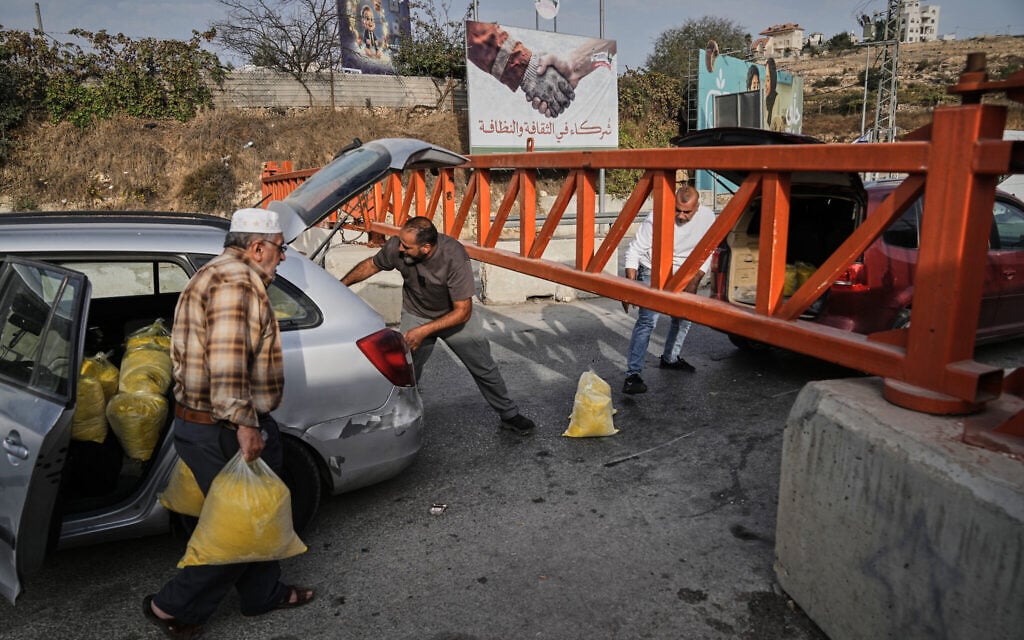
Palestinian Authority Vice President Hussein al-Sheikh reacted to the Knesset election this week by calling it an “internal Israeli matter,” but the results have massive influence over the PA’s continued existence.
Ramallah would have struggled to survive another four-year term of Prime Minister Benjamin Netanyahu’s outgoing government, which took a series of measures that brought the authority to the brink of collapse.
PA officials desperately hoped Tuesday’s election would produce a new government that would resume monthly transfers of Palestinian tax revenues, which make up a majority of the PA’s budget. Far-right Finance Minister Bezalel Smotrich has refused to sign off on the transfers for the past 18 months, with the funds owed to Ramallah amassing over $7 billion.
0:00 / 0:00
Promoted: Jewish Crossroads, Avi Issacharoff

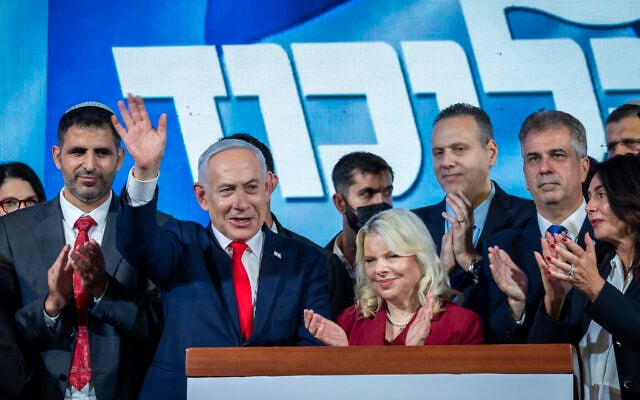
Netanyahu’s current coalition failed to secure a majority in the election, falling to just 53 Knesset seats, but another round of elections would still appear to be the most likely scenario, unless opposition figures violate key election promises not to partner with the longtime premier or ultra-Orthodox and Arab-majority parties.
Extended political deadlock effectively produces the same result that a win for the current coalition would have, as it keeps Netanyahu, Smotrich and National Security Minister Itamar Ben Gvir in their existing positions of influence over affairs in the West Bank, albeit in a caretaker capacity.
Get The Times of Israel's Daily Edition by email and never miss our top stories
By signing up, you agree to the terms
Even if Israeli politicians are able to form a new government, it could still take several months until a new cabinet is sworn in, as the leading candidate for prime minister is given 28 days to form a coalition, with the option of a 14-day extension. If no government is assembled by then, there are three other opportunities to form a coalition, ranging from 14 to 28 days each, before another election is called for the spring of 2027.
Survival mode
Some PA officials have made the end of 2026 an unofficial deadline for Ramallah’s continued operational capacity.
There has been no declaration from the PA that it will cease to exist from that period, but it will likely have to make further cuts to services and public sector salaries in 2027 absent the release of its funds.
For much of the past year, the PA has only paid its roughly 150,000 public sector employees 50 percent of their salaries.
Two Palestinian officials told The Times of Israel that a continued Israeli refusal to release the PA’s funds — in violation of the 1990s Oslo Accords — will likely force Ramallah to issue further cuts to public sector salaries, which are only $1,250 per month on average, before cuts.
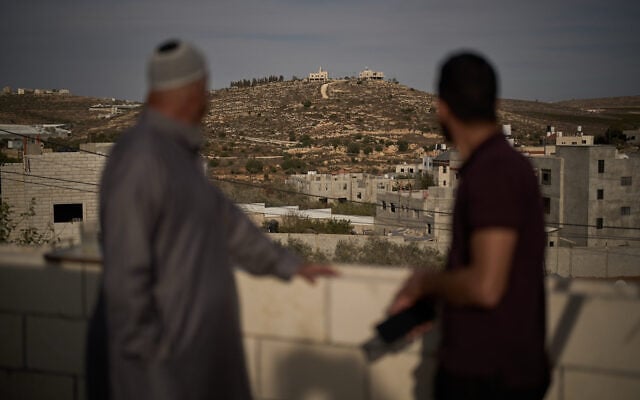
It would also force further cuts to the health and education sectors, whose hospitals and schools are already running at limited capacity. Public schools are currently open for just three days a week, and hospitals lack many basic medications.
“The PA will likely survive beyond 2026, but under even stricter austerity measures, including further reductions in public services and lower monthly salary payments, unless anticipated financial support materializes or withheld tax revenues are released,” said Palestinian analyst Ibrahim Dalalsha, who heads the Horizon Center research group and previously served as an adviser at the since-shuttered US Consulate in Jerusalem.
One PA official said pressure from the US on Israel could help secure the release of at least a portion of Ramallah’s funds, but Washington’s interest in the Palestinian issue has been largely limited to Gaza, where the Board of Peace has struggled to commence postwar reconstruction.
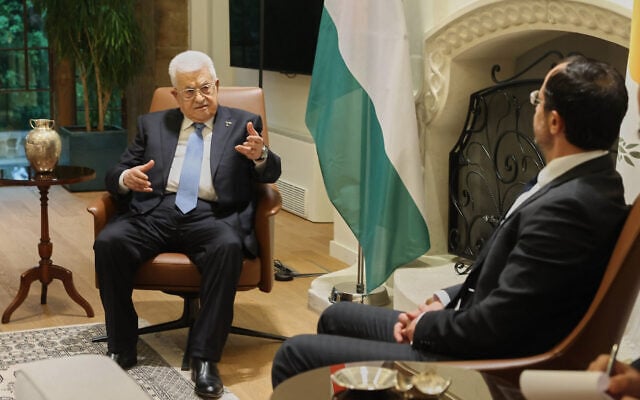
The PA official said another form of relief could come in the form of financial aid from European or Arab donor countries, but priorities have been shaken by the Iran war, with frustration in Brussels mounting over PA President Mahmoud Abbas’s decision earlier this month to again delay presidential and legislative elections by another year.
Unity over minority?
Amid all those poor options, the PA official said Ramallah is left hoping that somehow an alternative Israeli government will end up being established.
On paper, a minority government led by Yashar chief Gadi Eisenkot, with varying levels of support from the two Arab-led parties, would be the PA’s best-case scenario.
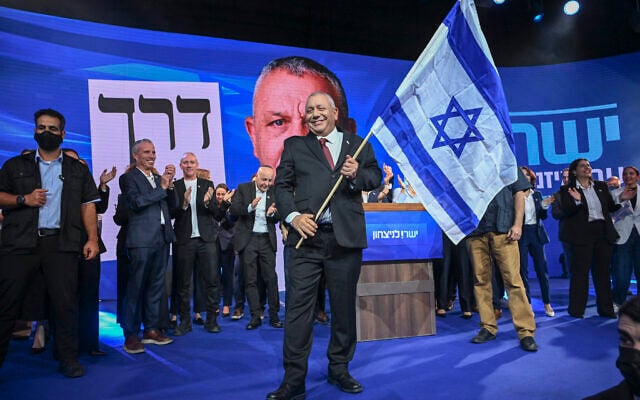
But the second Palestinian official argued that such a coalition would end up being more cautious about taking any immediate steps to alleviate the economic and security crisis for Palestinians in the West Bank, so as not to be exposed to further criticism from right-wing opposition.
Accordingly, a unity government may offer a better alternative for initial relief, even if it is still headed by Netanyahu. Such a government would likely sideline Ben Gvir, but the similarly hardline Smotrich could well survive the shakeup and remain in the cabinet.
“We clearly don’t have any good options, and will need international intervention, but this is where we are,” the Palestinian official said.
Is our live election coverage important to you?
Are you relying on The Times of Israel for accurate and timely coverage of the 2026 Israeli election? If so, please join The Times of Israel Community. For as little as $6/month, you will:
- Support our independent journalists who are working around the clock to report political developments as they unfold;
- Read ToI with a clear, ads-free experience on our site, apps and podcasts; and
- Gain access to exclusive content shared only with the ToI Community, including our DocuNation streaming film series and weekly letters from founding editor David Horovitz.
Join The Times of Israel Community JOIN NOW Already a member? Sign in to stop seeing this
If you’d like to comment, join
The Times of Israel Community.
KioskNews shows a cleaned-up reading view extracted from the publisher’s page — the original always lives on their site, not ours.