US data centers slash electric bills with brief demand cuts, raising questions over who pays
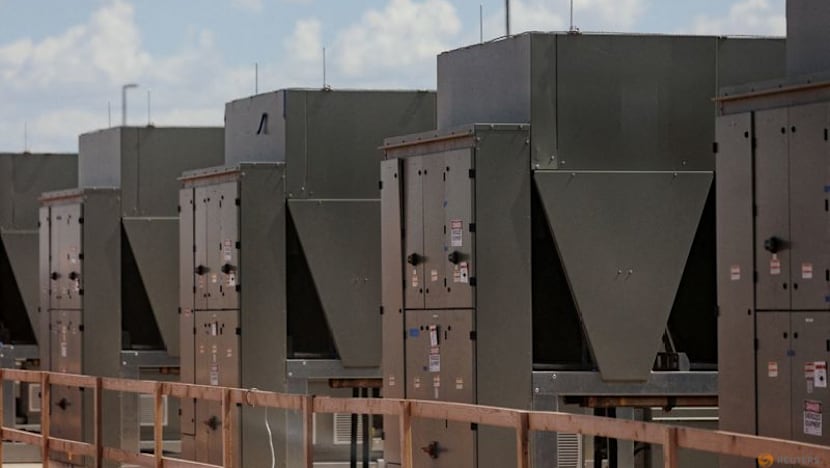
BOSTON, Nov 17 : US data center operators and other big power users can cut millions of dollars from their electricity bills by sharply reducing their use of grid power during a handful of crucial hours each year, a practice drawing scrutiny as household power bills rise.
The practice, known as peak shaving, is legal and encouraged under US power-market rules and state tariffs. But critics say it can allow large power users to reduce their share of grid costs in ways unavailable to households, raising questions about how those costs are divided.
Those questions have taken on greater urgency as the rapid growth of power-hungry AI data centers adds to the cost of expanding the electricity system. Rising power bills became a campaign issue in states including Texas in this month's midterm elections, and regulators are considering changes to the rules governing how grid costs are allocated.
Residential customers generally don't have the same opportunities to cut grid-related charges as large users, said Will Baker, head of market development at Everyday Electric, which provides power services for homes.
"A factory has an energy manager, interval data, and a capacity charge that rewards every kilowatt it shaves. A household has none of those," Baker said.
The potential savings for large users can be enormous. A large data center in Texas can avoid $33.4 million in transmission costs by staying off the grid for just one hour a year, either by reducing power use or firing up backup generators, according to Houston-based NRG Energy.
That's because grid costs are allocated in part according to electricity use during periods of highest demand.
The rapid growth of energy-hungry data centers has already increased power-system costs by $29.4 billion across PJM Interconnection, the largest US grid, according to PJM's independent monitor. Those costs are reflected in charges paid by utilities and ultimately passed on to electricity customers.
NRG says any rule changes on how grid charges are allocated should reduce the potential for cost shifting to residential customers.
UNFAIR BURDEN
Bailey Wells, a residential customer in Spring, Texas, saw her monthly electric bill climb to nearly $600 this past summer, compared to her previous all-tme summer high of about $500.
"This was unprecedented for my household," Wells said. "I understand that large electricity users may have opportunities to reduce their transmission costs by curtailing electricity use during ... peak-demand periods. It's reasonable to question whether that creates an unfair burden for people who have little or no control over when they use electricity."
The Data Center Coalition said peak shaving can reduce grid demand when supply is tightest.
"Grid operators can count on those reductions in planning," it said in a statement. "Less new capacity and transmission must be built, which lowers costs for all customers."
Big Tech companies say they want to pay their fair share, but they are also pushing back on proposed requirements. Google, for example, complained to Texas utility regulators about a scenario in which the company would pay about $1.4 billion in transmission charges over 20 years, according to an August filing with the Public Utility Commission of Texas.
PREDICTING THE PEAK
Data centers and other large customers hire forecasters to alert them when they should curb power consumption on the most likely days, since operators don't post summer peak hours in advance.
Correctly predicting the peak can reduce their capacity and transmission charges for the following year.
Andrew Major, a lawyer at the Virginia State Corporation Commission, a state utilities regulator, said in July testimony that residential customers paid 48 per cent, the largest share, for a transmission project serving a data center.
Dominion Energy, whose territory includes Virginia, said it has taken steps to ensure fair play, such as creating a new rate class that mostly consists of data centers.
Those rules would require new data centers to sign 14-year contracts and make minimum payments if they don't use the power, steps aimed at leveling the playing field.
(Reporting By Tim McLaughlin; editing by Timothy Gardner and Sanjeev Miglani)
KioskNews shows a cleaned-up reading view extracted from the publisher’s page — the original always lives on their site, not ours.