How to help wildlife after a nor’easter
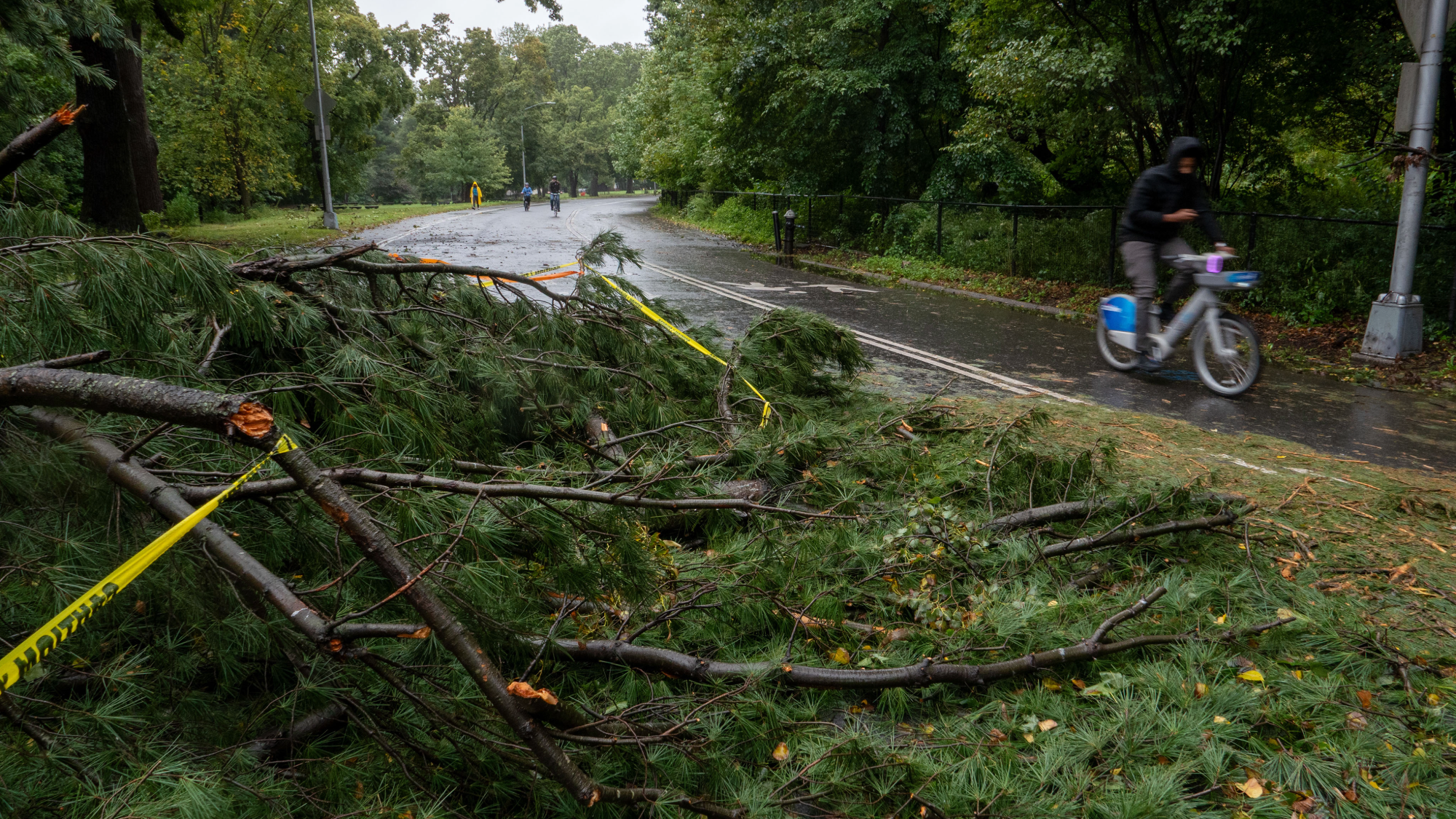
After killing one person and injuring four, the storm that pummeled the northeastern United States for days is finally winding down. But this early “nor’easter” hasn’t just impacted humans. Its wind, waves, and rain have created problems for local wildlife, too. Here’s what experts at the Cape Wildlife Center in Cape Cod, Massachusetts say you should be keeping an eye out for.
Inspect fallen trees
When removing any trees that were knocked down, it’s important to check knotholes, nests, and dense foliage for wildlife before chopping them up for removal. “We have seen many an occasion where wildlife remain in the tree even after it comes down,” reads a social media post by the wildlife center.
Monitor birds
In the Northern Hemisphere, migratory birds are currently moving south in the fall to winter somewhere warm. Since we are right around the peak of fall migration, birds are a particular concern. Hundreds of thousands of them are flying over Cape Cod in this period, and most will either find shelter early—such as in a tree—or get out of the storm’s path.
Not all of them do, however. Strong northeastern winds and the Cape’s distinct geography can channel a significant amount of seabirds onto the shore. They are usually exhausted and often vulnerable to hypothermia. Birds such as gannets, loons, murres, and dovekies aren’t particularly skilled at walking on land, so they frequently become stranded. Seabirds who try to fight the storm might make emergency landings in places they mistake as open water, such as backyards, parking lots, or dark-colored fields.
“If you see a seabird on the beach, or in your backyard for that matter, give us or your local animal control a call, as these birds often need to be assessed and regain their strength before heading back out into the wild,” according to the wildlife center.
Keep an eye out for baby animals
Birds aren’t the only wildlife threatened by nor’easters. Baby season is still in its final stretches, with some “particularly ambitious” mammal species still rearing offspring throughout the fall. Gray and red squirrels could still be nesting in trees, which can get knocked over by a storm. Ground animals like cottontail rabbits, opossums, and chipmunks can still be nursing at the end of September, and strong rain can flood burrows, making the young animals vulnerable to predators and the elements.
What to do if you find a displaced animal
If you find a displaced raccoon, call your local wildlife center before engaging with it, because it might be carrying rabies.
“If you find rabbits, opossums, chipmunks, or other non-rabies-vector species, placing them into a warm, dark, quiet box is the best thing to do and then seek resources for care,” concludes the social media post.
To find a local wildlife rehabilitator in your area, visit Animal Help Now. In the meantime, try to stay dry—and get ready for snow.
KioskNews shows a cleaned-up reading view extracted from the publisher’s page — the original always lives on their site, not ours.