DENR prepares water structures, rainwater harvesting systems for El Niño
Make this your preferred source to get more updates from this publisher on Google.
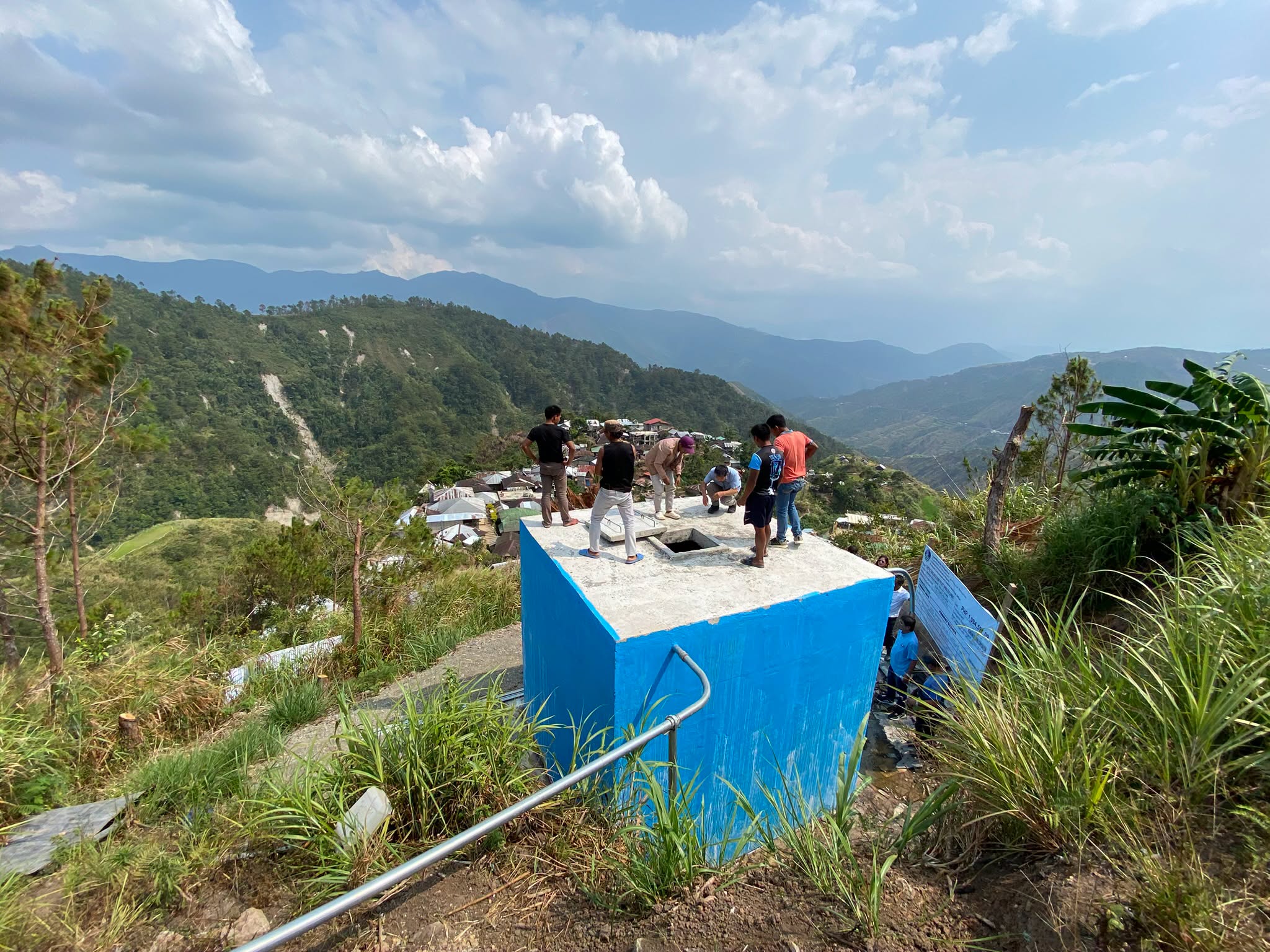
The Department of Environment and Natural Resources (DENR) said Friday that it has heightened its preparations for the looming El Niño, including constructing water impounding structures and rainwater harvesting systems to ensure a sufficient water supply for dry periods.
The agency warned the El Niño is expected to bring increased risks of prolonged dry conditions, reduced water availability, and extreme heat to parts of the country.
"With the critical action window now upon us, every DENR unit must proactively execute climate adaptation and risk reduction protocols," DENR Secretary Juan Miguel Cuna said in a statement.
"By closely coordinating with local government units, monitoring our vital water systems, and promoting strict conservation practices, we are taking decisive steps to protect our communities, ecosystems, and natural resources from the severe impacts of this climate phenomenon," he added.
The DENR said it has mobilized its regional offices, line bureaus, and field units to likewise strengthen preparedness and mitigation measures for the ongoing effects of El Niño, which is expected to intensify before the end of 2026.
The agency noted key preparations focus on conserving water, protecting watersheds, building additional water infrastructure, and preventing forest fires.
Information campaign
According to the DENR, part of its preparation includes information dissemination in local communities.
In Pampanga, information campaigns are underway, specifically in the municipalities of Guagua and Lubao and at local colleges, promoting water-conservation tips such as using buckets over hoses, reusing greywater, fixing leaks, and catching rainwater.
In Region 3, coastal areas, such as those in Aurora, are also being monitored for coral bleaching due to rising sea temperatures.
Meanwhile, in Region 11, the agency’s Environmental Management Bureau has implemented heat and safety measures for field personnel.
Individuals whose work requires them to stay outdoors are advised to limit intense outdoor work between 10:00 a.m. and 4:00 p.m., wear protective gear, and stay well-hydrated.
Water management
As part of its water conservation preparations, the department's Mines and Geosciences Bureau has advised mining firms and processing plants in Caraga to improve water management.
The agency advised concerned establishments to manage water demand, fix leaks, harvest rainwater, and establish cooling stations with heat warnings.
“Advisories were also sent to governors in Agusan del Norte, Agusan del Sur, Surigao del Norte, Surigao del Sur, and Dinagat Islands to boost local DRRMCs and watch critical watersheds,” the DENR added.
According to the state weather bureau PAGASA, the El Niño is expected to intensify into a very strong event before the end of 2026 and persist through the second quarter of 2027. The UN said it may become the strongest ever recorded.
A study by the US-based Climate Impact Lab said around 451,000 people around the world are at risk of heat-related deaths because of the upcoming El Niño. The report said the Philippines could see some 6,500 heat-related deaths until February 2027.
In September, the Department of Agriculture has so far recorded P6.87 billion in agricultural damage and losses amid the ongoing impact of the El Niño.
The Department of Social Welfare and Development (DSWD) meanwhile has said around 356,800 people across the Philippines have already bee affected by the El Niño phenomenon. — LA, GMA News
KioskNews shows a cleaned-up reading view extracted from the publisher’s page — the original always lives on their site, not ours.