Popping painkillers for 5 years, he needed dialysis: The hidden cost of self-medication
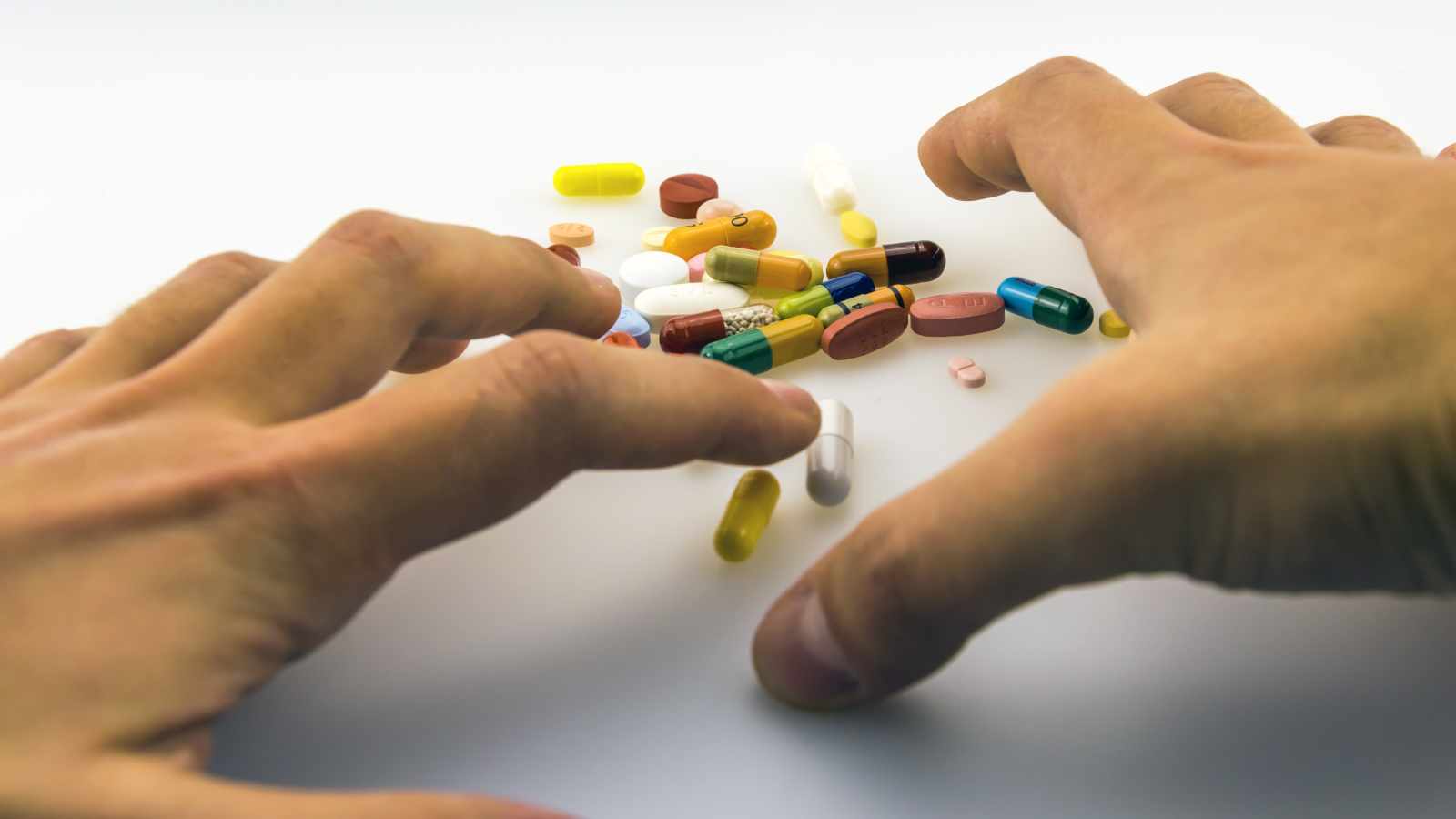
As a nephrologist, few moments in an outpatient clinic are as gut-wrenching as looking at a patient’s blood reports and realizing that an avoidable habit may have permanently changed his life. That was precisely the case when Mr S, a 49-year-old farmer from Tiruvannamalai, walked in, complaining of vague tiredness, nausea, vomiting, breathlessness and swollen ankles. He was hoping for a quick treatment that would allow him to get back to work.
Instead, his blood tests delivered devastating news. His creatinine—a blood marker doctors use to assess how well the kidneys are filtering waste—was 11.4 mg/dL, against a usual upper limit of around 1.2 mg/dL. An ultrasound showed that both kidneys had become small and severely damaged, with the normal internal structure no longer visible. Mr S had reached end-stage kidney disease. He needed urgent dialysis.
Yet there was no obvious history of the two conditions that commonly damage kidneys over many years: diabetes and uncontrolled high blood pressure. So, we went back through his history. That was when Mr S reached into his pocket and pulled out a worn, unlabelled strip of what he called “vali maathirai”—painkiller tablets.
Five years of self-medication
For nearly five years, Mr S had relied on painkillers to get through long days of physical activity at the farm. During ten-hour shifts transplanting paddy under the scorching sun, he would sweat heavily, become dehydrated and develop severe back and body pain. Instead of taking rest or seeking medical advice, he would buy tablets from a local pharmacy whenever the pain became difficult to tolerate. The medicines included diclofenac and aceclofenac, both belonging to a group called non-steroidal anti-inflammatory drugs, or NSAIDs.
Painkillers are not inherently dangerous. The problem is repeated, unsupervised or excessive use, particularly in people whose kidneys are already under stress.
When pain relief starts hurting the kidneys
Our kidneys constantly filter blood, remove waste and excess fluid, and help regulate the body’s salt and water balance. To perform this job, they need a steady blood supply. The body has a natural mechanism that helps keep the tiny blood vessels feeding the kidneys open, particularly when blood flow is reduced—for example, when a person is dehydrated.
NSAIDs interfere with some of the substances involved in this protective mechanism. For someone who is already dehydrated from working for hours in extreme heat, taking an NSAID can put additional stress on the kidneys. The risk becomes greater with high doses and prolonged use.
Story continues below this ad
NSAIDs can sometimes cause a sudden fall in kidney function, known as acute kidney injury. Repeated or prolonged injury can contribute to chronic kidney disease and, in severe cases, permanent kidney failure.
Why dehydration worsens matters
When we sweat heavily and do not replace enough fluid, the amount of blood reaching the kidneys can fall. Normally, the kidneys have protective mechanisms to cope with this drop in blood flow. NSAIDs can interfere with those mechanisms. That does not mean every person who takes an occasional painkiller will develop kidney disease. But someone who is dehydrated, takes high doses, uses these medicines frequently or already has vulnerable kidneys faces a much greater risk.
This is especially relevant to agricultural workers, construction workers, delivery workers and others who spend long hours working outdoors in hot weather.
The silent damage
Unlike a toothache or a muscle injury, kidney damage often does not announce itself loudly. A person may continue working, eating and living normally while kidney function gradually deteriorates. When symptoms finally appear, they may include persistent fatigue, nausea, vomiting, swelling of the feet or face, reduced urine output, breathlessness, loss of appetite or confusion.
Story continues below this ad
By the time symptoms become obvious, substantial kidney function may already have been lost. Chronic kidney damage is often irreversible, although detecting it early can help slow or prevent further deterioration.
Who needs to be particularly careful?
People with existing kidney disease need particular caution with NSAIDs. The risk is also higher among older adults and people with diabetes, high blood pressure, heart disease or dehydration. Another problem is that people may unknowingly take more than one NSAID. Some medicines are sold as combination products, and patients may not realize that two different brands contain similar painkillers.
This is why doctors and pharmacists need to know about all the medicines a person is taking, including tablets bought directly from a pharmacy.
Warning signs you shouldn’t ignore
If you find yourself taking painkillers regularly simply to get through the day, that is a reason to consult a doctor. Persistent swelling of the feet, unusual tiredness, changes in urine, reduced urine output, nausea, vomiting or unexplained breathlessness should also prompt medical attention.
Story continues below this ad
People who regularly use painkillers may benefit from simple blood and urine tests to check kidney health. A blood creatinine test, along with an estimate of kidney filtration, can provide important information about kidney function. A urine test can also detect signs of kidney damage.
It is important not to create unnecessary fear around pain medicines. They have an important role in treating pain and inflammation and can be appropriate when prescribed for the right patient, at the right dose and for the right duration. The danger comes when these medicines are treated as harmless everyday tablets.
If pain keeps returning, the cause needs to be investigated rather than repeatedly masked. Never increase the dose or duration on your own. Ask a doctor or pharmacist whether a particular painkiller is safe for you, especially if you have kidney disease or other medical conditions.
(The author is Senior Consultant Nephrologist and Renal Transplant Physician at the Asian Institute of Nephrology and Urology, Chennai)
KioskNews shows a cleaned-up reading view extracted from the publisher’s page — the original always lives on their site, not ours.