Lawmakers call for clarity after HK$4.1 billion clawback from green projects fund
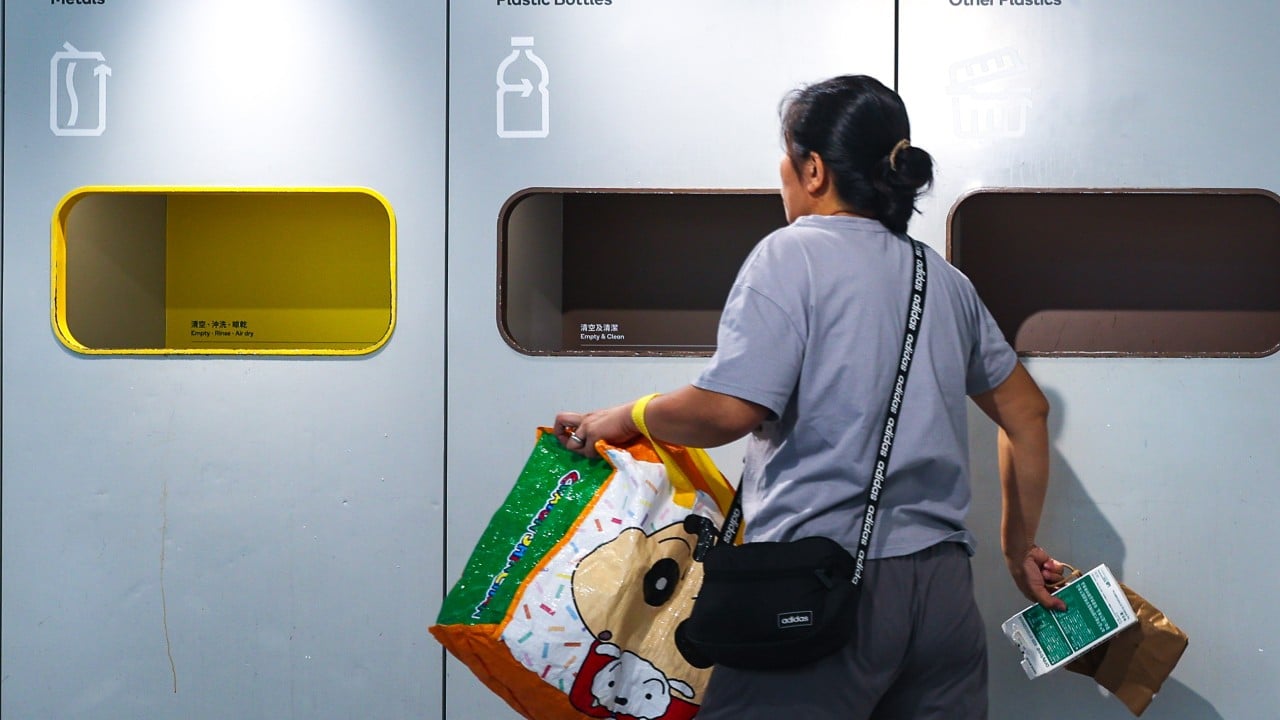
About two-thirds of a fund for green projects in Hong Kong will be brought back onto government accounts under a bill passed on Wednesday, with lawmakers calling for clarity on the city’s commitment to long-term sustainability goals.
The Environment and Conservation Fund had a balance of HK$6.2 billion (US$795 million) in March, of which HK$4.1 billion will be brought back onto the government’s books. The remaining HK$2.1 billion will be earmarked to support the fund’s operations for the next five years.
The fund is among seven seed funds with a combined HK$15.8 billion in unspent balances that will be brought back into the official accounts.
Established in 1994, the fund is dedicated to supporting green community, education and research initiatives, including 20 Green@community pilot projects that operate recycling points and services across the city.
Managed by an independent committee operating on investment returns, the seed fund structure has enabled the fund to support long-term conservation projects.
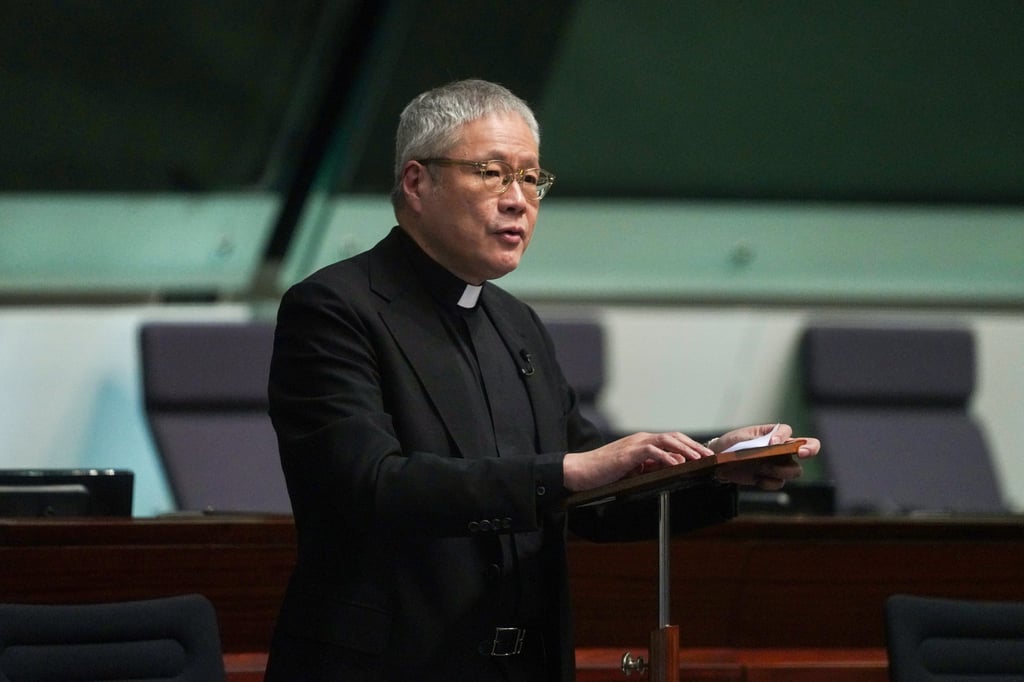
In the meeting before the bill was passed in the Legco on Wednesday, lawmaker Reverend Peter Koon Ho-ming warned that the change brought “uncertainty” to the future of local green projects.
“If the next administration faces a fiscal deficit again, or questions whether these environmental initiatives are a priority, will our crucial work towards achieving carbon neutrality and wetland conservation constantly face the risk of being cut off from funding and supplies?” Koon said.
“We hope the government can guarantee that changing the seed fund model this time does not mean it no longer values environmental protection work,” he added.
Fellow lawmaker Chan Siu-hung urged the administration to “clearly define the relevant criteria” to claw back balances from the fund.
The bill empowers the Financial Secretary to directly claw back funds deemed “not reasonably required for the fund’s purposes”, without consulting the legislature.
Chan added that it was crucial to consult the panel on environmental affairs on the bill amendment, given lawmakers on the panel were the main stakeholders in environmental protection and ecological conservation.
Secretary for Financial Services and the Treasury Christopher Hui Ching-yu said the bill would not affect the fund’s policy objectives, and his bureau “would continue to accept applications and approve grants as usual.”
“Already-approved projects will likewise remain unaffected,” Hui added.
He noted that the government had consulted the fund’s committee in March and received no objections to the amendment.
The fund’s average annual expenditure over the past three years was about HK$230 million, compared with the earmarked amount of HK$420 million a year, which Hui noted was nearly double the past expenditure level and enough to support the fund’s operations for the next five years.
The administration has said it would review the long-term financial arrangements of the fund in 2028.
KioskNews shows a cleaned-up reading view extracted from the publisher’s page — the original always lives on their site, not ours.