Higaonon youth of Agusan del Sur turns coffee waste into cascara tea
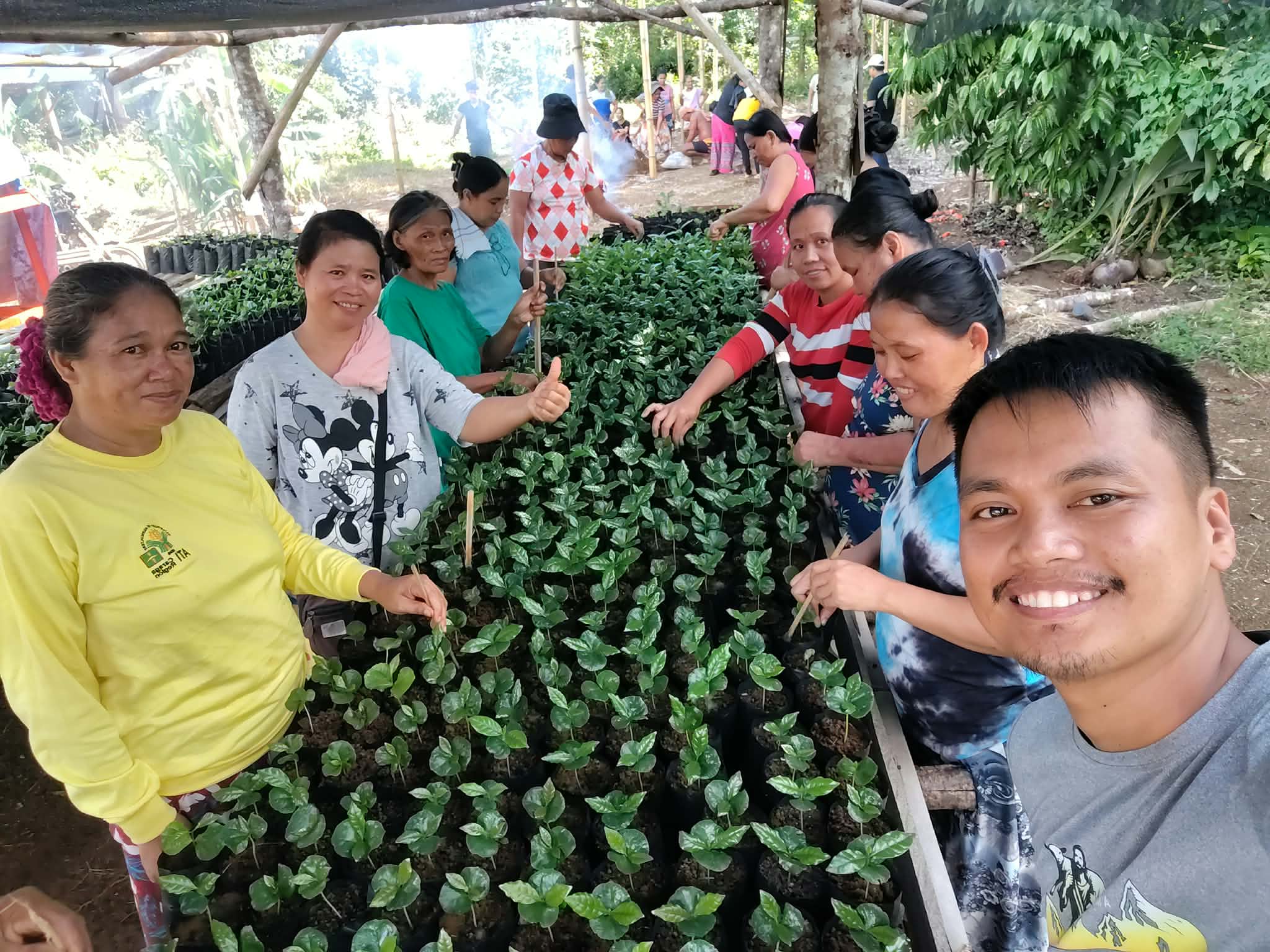

SAN FRANCISCO, AGUSAN DEL SUR, Philippines — For the past four decades, the coffee groves tended by the indigenous Higaonon tribe in Sitio San Jose, Barangay Maasin, in Esperanza town, Agusan del Sur, yielded a steady harvest of cherry beans for tribal communities in the area.
However, the steady dose of caffeine these coffee plants give farm owners brought along a persistent annoying problem: mounds of rotting coffee pulp left behind on ancestral lands.
The coffee pulp is the first byproduct obtained in coffee processing. It is approximately half the weight of the coffee cherry.
Article continues after this advertisement
But where others saw a waste pollution headache, 26-year-old agricultural entrepreneur Khierwen Francis saw an untapped and promising economic enterprise.
FEATURED STORIES
NEWSINFO
NEWSINFO
NEWSINFO
READ: Planting of Arabica seedlings to boost coffee production project
“I saw truckloads of waste and mounds of coffee pulp rotting on the land,” Francis recalled. “I studied them closely and realized it was entirely feasible to process that waste into a completely different product, especially considering its health benefits.”
Intensive research

An agriculture graduate from Caraga State University, Francis returned home and conducted intensive research on how to revitalize his family’s farmland, which had been left idle after his father fell ill.
Today, that venture—known as the Francis Berachah Integrated Farm—has introduced the Caraga region’s first commercially processed coffee pulp tea, widely known as cascara tea.
Article continues after this advertisement
READ: Can the Philippines grow its way to coffee self-sufficiency?
Rich in polyphenols and antioxidants, cascara tea is derived from dried coffee cherry skins or pulps.
Article continues after this advertisement
Positioned as a wellness drink amid growing public awareness about lifestyle diseases, the product has steadily gained traction across Agusan del Sur and neighboring provinces in Mindanao.
For many coffee farmers, the harvest story ends after the bean is roasted, leaving the coffee husks for compost or cast aside as agricultural waste.
Francis, however, saw cash from the coffee trash, processing them into cascara tea.
The process includes either drying the coffee pulps under the sun in raised beds or fed into mechanical dryers. Over several days, circulating heat coaxes the moisture level down to a stable 8 percent to 12 percent, preserving the sugars and transforming the succulent peel into deep-amber, leathery petals.
Regional honors

Once dried, the husks are sealed into food-grade pyramid tea bags designed to let boiling water freely circulate around each piece.
The Berachah Farm sells a cascara teabag for only P10 a piece.
Its main product is coffee, but it also produces tableya, which is made from cacao beans.
Francis’s circular farming breakthrough secured him regional honors under the Department of Agriculture’s (DA) Young Farmers Challenge in both the Start-Up and Upscale categories.
The enterprise also earned backing as a youth champion under the government’s Rapid Growth Project.
With capital injection from the DA grants, Francis prioritized regulatory compliance, pursuing formal licensing from the Food and Drug Administration and securing a license to operate.
“Achieving accreditation is far more than just paperwork,” Francis said. “It establishes precise shelf-life standards, maximizes our production yield, and assures buyers and investors of the product’s genuine therapeutic potency.”
Beyond manufacturing, Francis has turned his farm into an accredited learning site for agriculture and an accredited Technical Education and Skills Development Authority (Tesda) farm school.
As an accredited Technical and Vocational Education and Training trainer, he provides technical courses in agricultural crops production, pest management, beekeeping, cacao production, and coffee nursery and production operations.
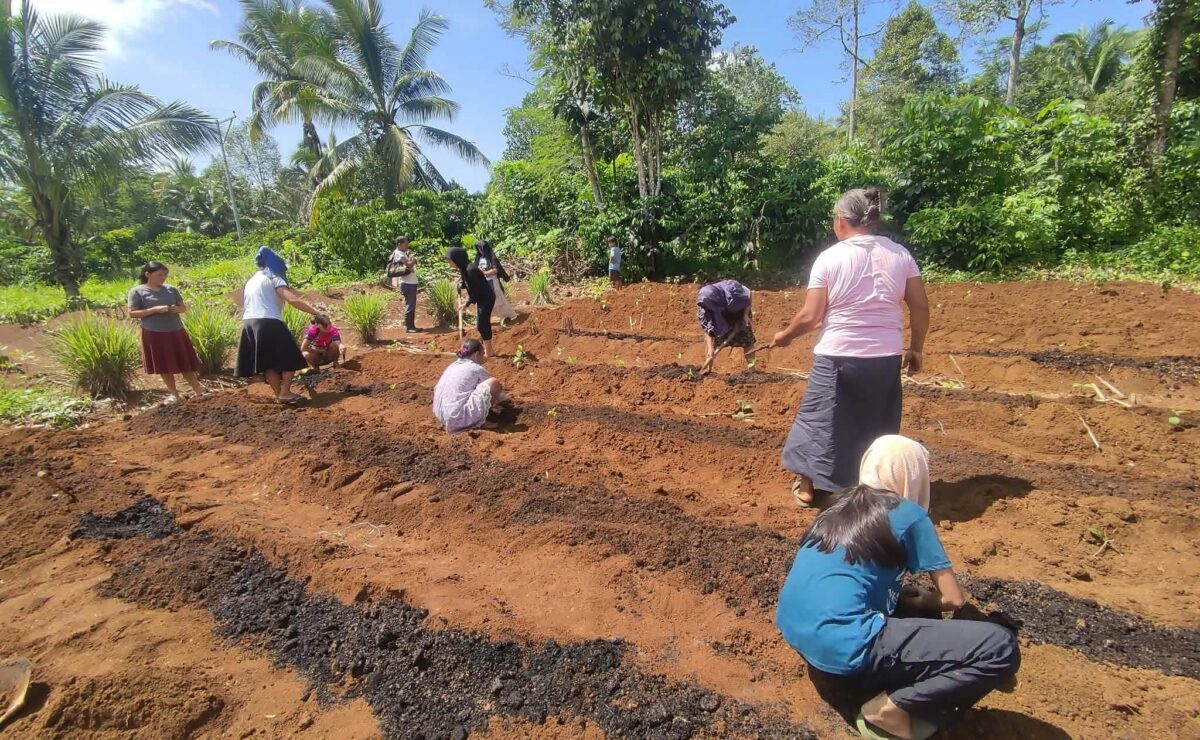
His advocacy has drawn support from provincial leaders.
Agusan del Sur 2nd District Rep. Adolph Edward Plaza announced plans to partner with the Francis Berachah Integrated Farm to train local farmers in seed propagation and production through Tesda-funded and Department of Labor and Employment initiatives, reducing reliance on commercial seedling purchases.
Francis was ecstatic about the offer as he lauded the backing of government agencies for translating grassroots vision into tangible community impact.
“We are very grateful,” Francis said. “None of this would have been realized without government support. Without decisive action, these ideas would have remained just plans on paper.”
For Francis, named after the biblical “Valley of Blessing,” the mission remains tethered to community peace and dignity.
Your subscription could not be saved. Please try again.
Your subscription has been successful.
“Promoting agriculture and upscaling farm waste can provide sustainable livelihoods and help secure peace in our area,” Francis said. “Especially now that government support is finally reaching remote tribal lands.” /cb
KioskNews shows a cleaned-up reading view extracted from the publisher’s page — the original always lives on their site, not ours.