Power shortage looms: Why states are flocking to spot market as coal stocks dip
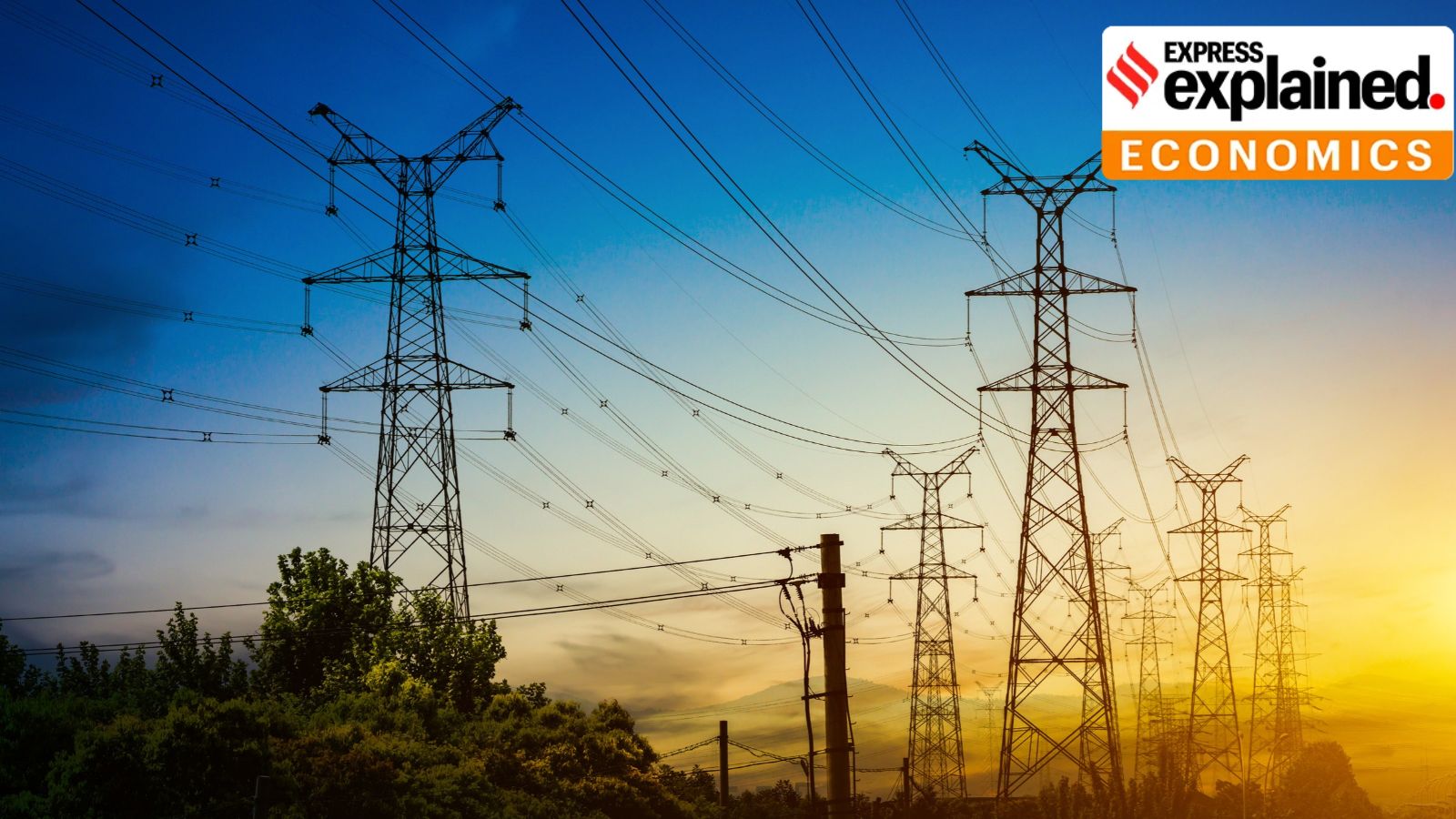
A looming power shortage, triggered by a shortage of baseload thermal capacity and mounting worries over coal stocks, has spurred a flurry of high-level meetings at the Centre.
With the states now being directed to secure electricity at all costs, the worries about an impending electricity shock early next summer have triggered a panic reaction that is reverberating across the country’s electricity ecosystem.
Multiple states are turning to short-term power procurement tenders, mostly at exorbitant prices, to secure additional electricity for the coming months and guard against potential shortages, particularly during evening peak hours.
Data from the Ministry of Power’s DEEP (Discovery of Efficient Electricity Price) portal showed that tenders have been floated for power procurement by at least five states and private distribution utilities for additional power during the months of January, February, March, April, May and June-July next year. The states seeking to procure additional power include Tamil Nadu, Kerala, Rajasthan and Gujarat.
Uttar Pradesh is also learnt to be vying for securing additional power ahead of the state elections early next year.
Here is why power prices are surging in short-term tenders, how sharply coal stocks have depleted at thermal plants, and what past policy missteps left the grid vulnerable.
Why power prices are soaring in short-term tenders
Private distribution companies, including Noida Power Company Ltd and Adani Electricity Mumbai Ltd (AEML), have also floated tenders. Prices discovered in some of these tenders have touched Rs 19-20 per unit, significantly higher than the price caps applicable in power exchanges.
Story continues below this ad
While the cap on spot prices is Rs 10 per unit, prices can go up to Rs 20 per unit in the specialised High Price Day-Ahead Market (HP-DAM). Also, amid a decline in coal stocks, the government is also discussing measures to expand coal storage capacity at thermal power plants beyond the prescribed normative requirement, The Indian Express has learnt.
While the normative requirement is around 59 million tonnes (mt), thermal power plants currently have the capacity to store up to 80 mt, equivalent to about 30 days of consumption. Discussions are also underway on doubling this capacity to 160 mt, which would provide up to 60 days of coal stocks. However, such an expansion would require additional storage space at thermal power plants.
While sporadic instances of rains may have helped mitigate the shortage this year, there are concerns about a problem from early next summer. Grid India’s daily frequency profile data is showing even during these somewhat lean demand months real-time frequency is falling to below the mandated lower limit of 49.9 HZ even during solar hours (when solar generation is available). The situation during the non-solar hours (evenings, when solar generation is not available) is even more precipitous.
Coal stocks at thermal plants fall sharply, raising shortage fears
Story continues below this ad
The increased dependence on coal-based generation has put pressure on coal inventories at thermal power plants. Stocks declined by around 66% between April and September this year, compared with a fall of around 23% during the same period last year, when inventories dropped from 55.2 mt at the beginning of April to 42.6 mt by September end.
The corresponding declines during the same period were 31.8% in 2024 and 36.8% in 2023.
As of November 15, coal inventory at domestic coal-based power plants stood at 20.79 mt, down from around 55 mt at the beginning of April. Officials in the Ministry of Power have also maintained that rebuilding coal stocks ahead of next summer is among the key priorities given the current circumstances.
The fresh directive to ramp up coal storage capacity comes in this backdrop.
Story continues below this ad
How past policy decisions left India vulnerable to a power crunch
Internally, the Union Power Ministry’s planning body — the Central Electricity Authority (CEA) — has already given a broader call for a reassessment of planned coal-based capacity additions, even as the country continues to expand its renewable energy capacity.
With India staring at a power shortage, CEA chairperson Ghanshyam Prasad had flagged the need to to add 105-150 gigawatts (GW) of coal-based power capacity by 2035, significantly higher than the 97 GW currently planned, at a meeting on October 13.
India’s focus on rapid expansion of renewables in the absence of energy storage systems is making the electricity grid increasingly unstable. The issue is compounded by a policy decision from around ten years ago to scale down thermal expansion, which provides critical baseload support to the grid during evenings in summer months, when solar generation dips and demand remains high.
The Union Power Ministry’s National Electricity Plan (2017-22) had ruled out fresh thermal capacity additions beyond 2022, apart from the 50 GW of under-construction projects. It mainly focused on scaling up renewables. Additionally, imported coal-based projects were actively discouraged, primarily in the wake of spiralling global coal prices.
Story continues below this ad
Since the planning misstep of 2016-17, some corrective measures have been taken: a renewed push for nuclear generation in fleet mode, a belated drive to add large thermal capacities, importing coal to restart idle plants, and renewed policy pivots such as the CEA’s directive from last year that mandated storage for all new solar projects.
KioskNews shows a cleaned-up reading view extracted from the publisher’s page — the original always lives on their site, not ours.