10 Greatest Folk Horror Movies Of All Time, Ranked

Senior Music Editor at Screen Rant, Sarah's love of sound and story drive the beat. A globetrotting brand whisperer and award-winning journalist, she’s built cross-cultural narratives around the world—but music has always been her true north. She launched DJ Mag North America, successfully introducing the iconic UK brand to the U.S. market. Previously, she carved a space for EDM inside the pages of VIBE, blending electronic and hip-hop culture long before it was trendy.
There is something especially unnerving about a remote village where everybody seems perfectly pleasant, right up until the moment they decide somebody needs to be sacrificed. Folk horror has spent decades exploiting that particular nightmare, turning ancient customs and seemingly idyllic landscapes into places where outsiders are rarely welcome and leaving may prove impossible.
Unlike conventional supernatural horror, folk horror draws much of its terror from beliefs that have survived for generations. Much like the greatest survival horror movies of all time, these stories make escape feel increasingly impossible. The trouble usually begins when somebody arrives who has no idea what everyone else already knows.
The genre's foundations are often traced to three British films released between 1968 and 1973: Witchfinder General, The Blood on Satan's Claw, and The Wicker Man. Together, they helped establish the rural settings and clashes between belief systems that would influence filmmakers for decades.
The 1990s produced plenty of horror movies that remain essential viewing, with The Blair Witch Project introducing folk legends to a new generation. More recently, directors including Robert Eggers and Ari Aster have explored the same centuries-old anxieties, while international filmmakers have drawn upon their own cultural traditions to expand the genre beyond its British origins.
Ranking the greatest folk horror movies requires weighing their atmosphere, originality, influence, and effectiveness as horror films. Some of these selections are disturbing without relying heavily on supernatural forces, while others feature genuinely monstrous entities. All 10 understand how frightening things can become when the people around you believe something you don't.
10 Apostle (2018)

Director Gareth Evans trades the bone-crunching martial arts action of The Raid for something considerably more sinister in Apostle. Set in 1905, the film follows Thomas Richardson (Dan Stevens), who travels to a remote island to rescue his kidnapped sister. The island's inhabitants belong to a religious community led by the charismatic Malcolm Howe (Michael Sheen), whose promises of prosperity conceal some appalling practices.
Evans gradually reveals the supernatural forces sustaining the settlement, including the disturbing mythology surrounding its mysterious goddess. The violence becomes increasingly vicious as Thomas discovers how the community maintains control over its members. Apostle occasionally favors graphic brutality over restraint, but its depiction of a society sustained by horrifying sacrifices makes it a memorable modern contribution to folk horror.
9 The Ritual (2017)

Four British friends embark on a hiking trip through the Swedish wilderness to honor a friend who was murdered during a robbery. Their journey takes a disastrous turn when they leave the established trail and discover disturbing evidence that something inhabits the surrounding forest. David Bruckner's The Ritual initially plays like a wilderness survival thriller before gradually revealing its supernatural intentions.
The film draws inspiration from Norse mythology through its terrifying Jötunn creature, a monstrous being worshipped by an isolated community. Rafe Spall delivers an affecting performance as Luke, whose unresolved guilt makes him particularly vulnerable to the forest's influence. The creature design is exceptional, but the film's lasting strength comes from its ability to make the wilderness feel ancient, hostile, and utterly indifferent to human suffering.
8 The Blood On Satan's Claw (1971)


Piers Haggard's The Blood on Satan's Claw takes place in 17th-century England, where the discovery of strange remains in a freshly plowed field coincides with increasingly disturbing behavior among the village's young people. Under the influence of Angel Blake (Linda Hayden), local teenagers begin engaging in sinister rituals that suggest something evil has awakened beneath the countryside.
Among the greatest British horror films of the 1970s, The Blood on Satan's Claw helped establish folk horror's fascination with the relationship between the land and the supernatural. Haggard uses the peaceful English countryside to unsettling effect, making familiar landscapes feel contaminated by something ancient. Its combination of religious anxiety and frighteningly casual violence has influenced generations of filmmakers exploring rural horror.
7 Kill List (2011)

Ben Wheatley's Kill List begins as a bleak crime thriller about two former soldiers working as contract killers. Jay (Neil Maskell) and Gal (Michael Smiley) accept an assignment involving several apparently unrelated targets, only to discover increasingly bizarre connections between their victims. What initially appears to be a straightforward series of murders gradually becomes something far more disturbing.
Wheatley provides few reassuring explanations as the story develops, allowing strange symbols and ominous encounters to accumulate before one of horror cinema's most disturbing final sequences. Kill List is particularly effective because its folk-horror elements creep into a recognizable contemporary setting. The eventual revelation makes everything that preceded it seem more sinister, rewarding subsequent viewings without diminishing the impact of its extraordinarily grim conclusion.
6 The Wailing (2016)

South Korean filmmaker Na Hong-jin combines rural folklore with an increasingly elaborate supernatural mystery in The Wailing. When a series of violent deaths strikes a remote village, police officer Jong-goo (Kwak Do-won) begins investigating rumors surrounding a mysterious Japanese stranger. His skepticism becomes difficult to maintain when his own daughter starts exhibiting frightening changes in behavior.
The film incorporates Korean shamanistic traditions alongside Christian imagery, creating a deeply unsettling conflict between competing explanations for the village's suffering. Its extraordinary ritual sequences are among the most memorable in modern horror, while the film's many twists and ambiguous revelations leave audiences questioning whom they should trust. At more than two and a half hours, The Wailing demands patience but rewards it with a genuinely haunting experience.
5 Witchfinder General (1968)

Michael Reeves' Witchfinder General proves that humanity's historical treatment of supposed witches provides more than enough material for horror. Set during the English Civil War, the film stars Vincent Price as Matthew Hopkins, a self-appointed witch hunter who travels across the countryside extracting confessions through torture. His campaign of terror eventually brings him into conflict with a young soldier seeking revenge.
Price delivers one of his most chilling performances, portraying Hopkins as an opportunistic sadist whose authority depends upon the unquestioning acceptance of superstition. The film contains no genuine witchcraft, yet its depiction of religious persecution is deeply disturbing. Alongside The Blood on Satan's Claw and The Wicker Man, Witchfinder General helped define British folk horror through its uncompromising examination of violence committed in the name of belief.
4 The Blair Witch Project (1999)
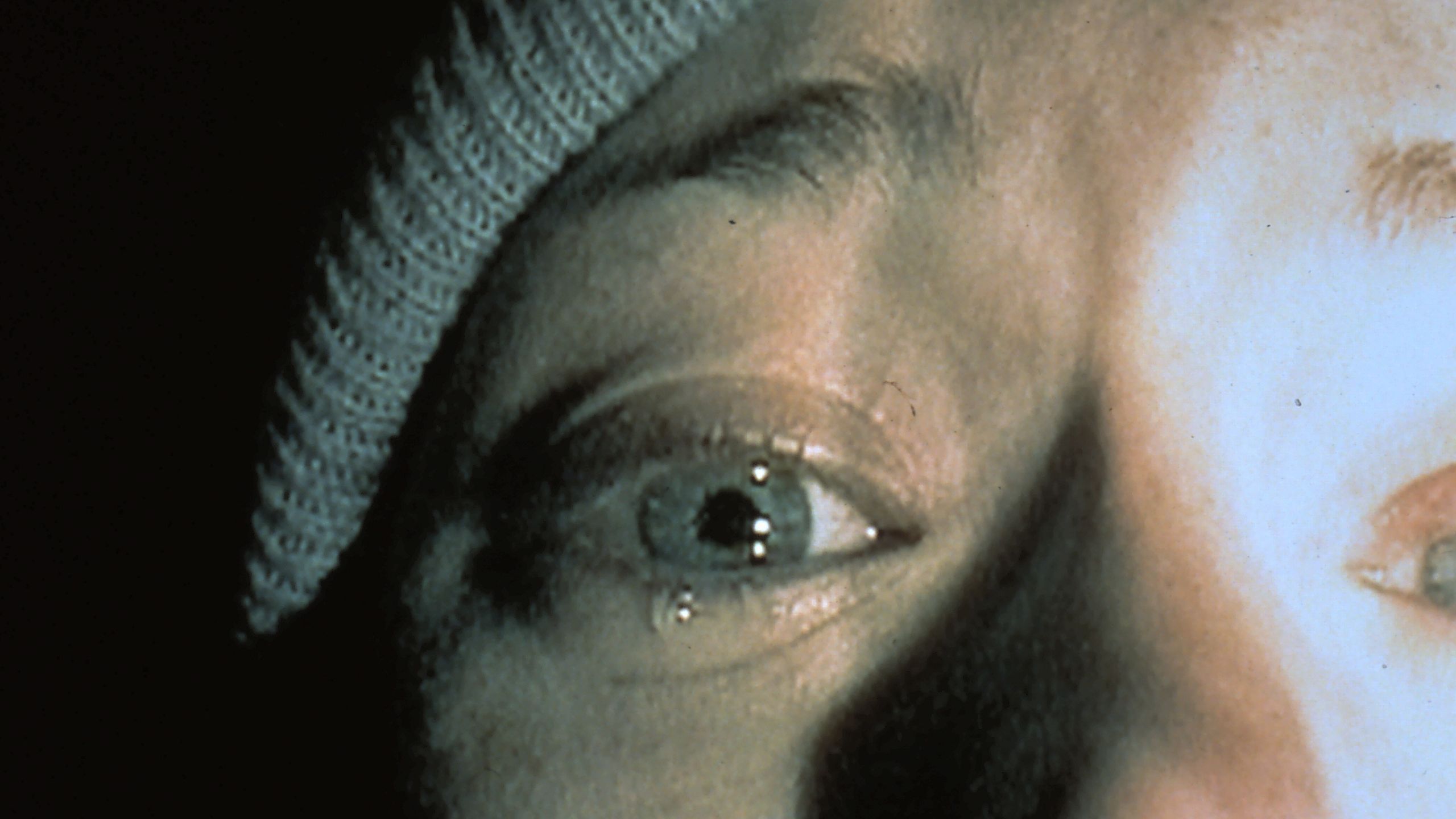
Daniel Myrick and Eduardo Sánchez transformed a fictional local legend into one of the most influential horror movies of the 1990s. The Blair Witch Project follows three student filmmakers investigating stories about a witch said to haunt the woods surrounding Burkittsville, Maryland. Their expedition becomes increasingly frightening as they lose their bearings and discover inexplicable disturbances around their campsite.
The film's ingenious found-footage presentation, supported by a marketing campaign that convinced some viewers the events were real, helped revolutionize low-budget horror. More importantly, the mythology surrounding the Blair Witch makes the forest terrifying without requiring audiences to see its supposed supernatural inhabitant. The increasingly desperate performances and unforgettable final moments demonstrate how effectively folklore can exploit the fear of something that refuses to reveal itself.
Question 1 of 3
3 Midsommar (2019)
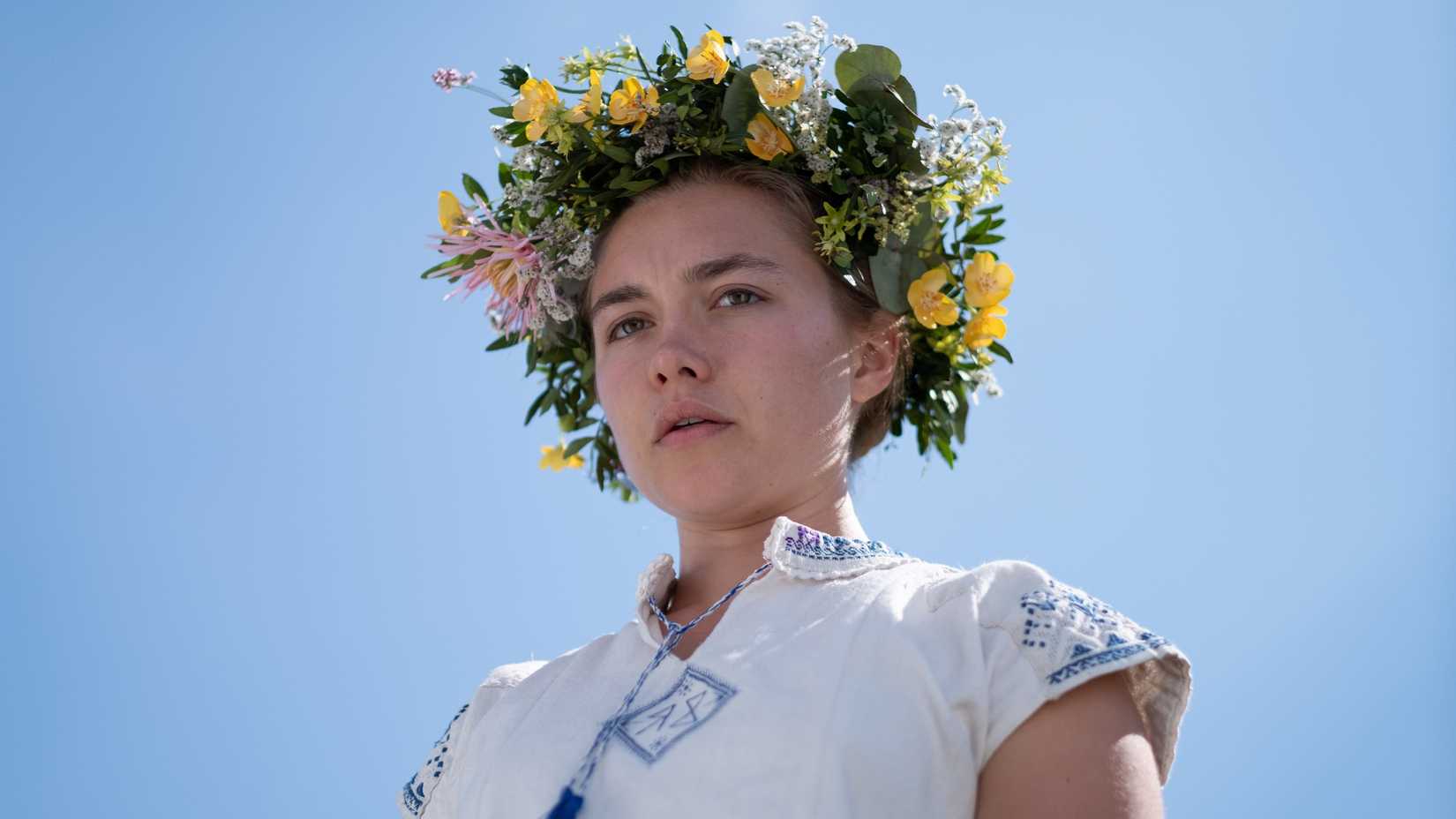
Ari Aster's Midsommar turns a picturesque Swedish summer festival into an increasingly horrifying examination of grief and belonging. Florence Pugh stars as Dani, a young woman recovering from an unimaginable personal tragedy who accompanies her boyfriend and his friends to a remote commune. Initially welcoming, the residents of Hårga follow customs that become progressively more disturbing as the visitors discover what their hosts consider perfectly acceptable.
Aster's decision to stage much of the horror in brilliant daylight gives Midsommar an unusually oppressive atmosphere, making the community's cheerful behavior all the more unnerving. Pugh's remarkable performance anchors a story in which emotional vulnerability becomes a means of manipulation. By the time Dani undergoes her unforgettable transformation in the film's ending, the distinction between liberation and exploitation has become almost impossible to separate.
2 The Witch (2015)

Robert Eggers made an extraordinary feature directorial debut with The Witch, a meticulously researched nightmare set in 1630s New England. After being banished from their Puritan community, William (Ralph Ineson) and Katherine (Kate Dickie) settle with their children beside an imposing forest. When their infant son disappears, the family's religious convictions gradually become instruments of suspicion and persecution.
Anya Taylor-Joy gives a remarkable breakout performance as Thomasin, whose attempts to defend herself only intensify her family's distrust. Eggers uses period-appropriate language and an oppressive atmosphere to recreate a world in which supernatural evil is accepted as an ever-present possibility. The eventual revelation of Black Phillip's true identity provides one of modern horror's most unforgettable payoffs. Few films have captured the psychological power of religious fear so convincingly.
1 The Wicker Man (1973)

Robin Hardy's The Wicker Man remains the definitive folk horror movie more than half a century after its release. Edward Woodward stars as Sergeant Neil Howie, a devout Christian police officer investigating the disappearance of a young girl on the isolated Scottish island of Summerisle. Its inhabitants, led by the charismatic Lord Summerisle (Christopher Lee), practice pagan traditions that Howie finds increasingly disturbing.
What makes The Wicker Man extraordinary is the confidence with which its characters embrace their beliefs. The islanders appear perfectly content with customs that horrify their visitor, creating an atmosphere of mounting unease beneath the film's deceptively cheerful musical performances. Christopher Lee's involvement in the original film remains one of its fascinating production stories, but its devastating conclusion is the real reason the movie endures. No other film has combined folklore, religious conflict, and creeping dread quite so effectively.

- Release Date
- December 6, 1973
- Runtime
- 88 minutes
- Director
- Robin Hardy
- Writers
- Anthony Shaffer
KioskNews shows a cleaned-up reading view extracted from the publisher’s page — the original always lives on their site, not ours.